
You’ll want to start by softening the room’s edges and palette so every surface feels calm and breathed-in. Think sandy linens, washed oak, and low, rounded furniture that invites you to sink in. Layer in whisper-tone textiles, muted terracotta, and frosted light to warm the air without shouting. I’ll walk you through 22 easy, tactile moves that keep things simple and serene — and show how small choices make a big, dreamy difference.
Embrace a Neutral, Warm Base Palette

When you start with a neutral, warm base palette, you give your space a calm, cohesive backbone that makes layering textures and soft colors effortless.
You’ll cultivate neutral warmth through sandy linens, soft beiges, and wood tones, then introduce muted terracotta as an anchoring accent.
That restrained approach feels modern and freeing, letting you personalize with tactile layers without overwhelming the serene mood.
Layer Muted Pastel Accents

Introducing muted pastel accents softens the neutral base without stealing its calm — think whisper-pink throws, powder-blue ceramics, or a sage-green ottoman placed with restraint. You’ll layer dusty rose cushions, muted mint glassware, and pale lilac art to guide the eye. Mix textures—linen, matte ceramic, soft wool—so each hue feels intentional, freeing your space without loud interruption.
Choose Rounded, Organic Furniture Silhouettes
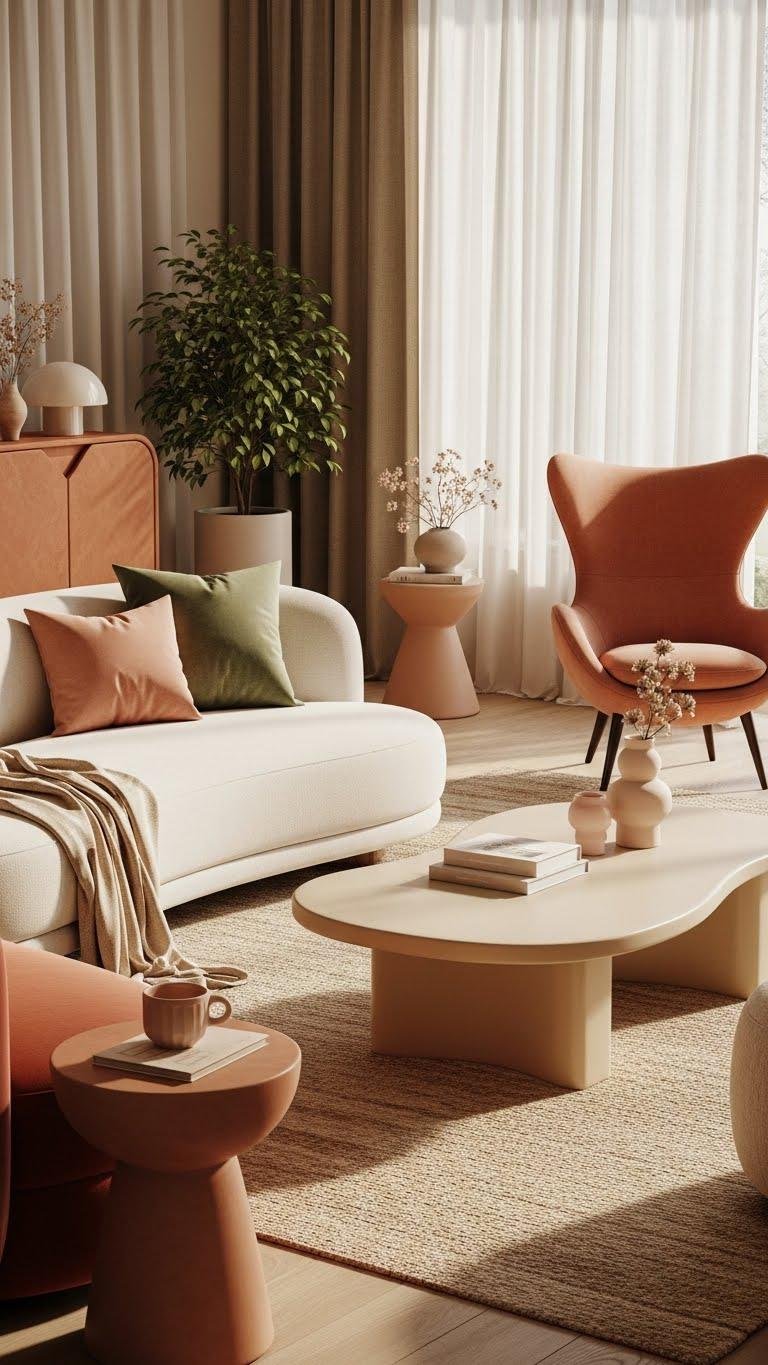
Lean into soft curves to calm a room and make it feel effortlessly inviting; rounded, organic silhouettes read as modern yet timeless and soften the hard angles that can make a space feel rigid. Choose furniture with rounded corners and flowing profiles so your home breathes—pieces that encourage movement, encourage relaxation, and let you curate a liberated, cozy environment without sacrificing sculptural style.
Opt for Plush, Tactile Upholstery Fabrics
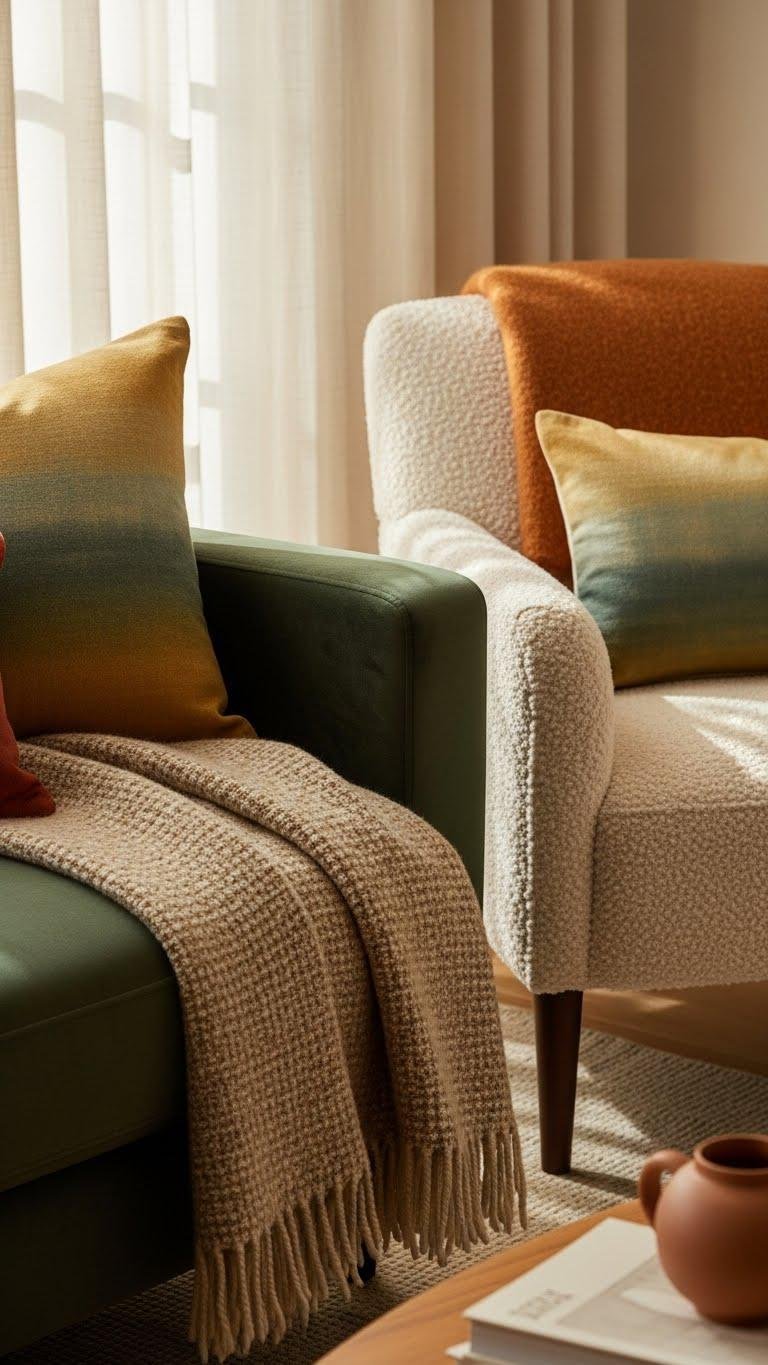
Bring in plush, tactile upholstery to instantly layer warmth and invite touch — velvet, boucle, and brushed wool read luxe while feeling lived-in. You’ll choose fabrics that age beautifully: consider tactile dyeing for subtle, artisanal depth and mix textures to keep pieces joyful. Know basic upholstery maintenance — gentle vacuuming, spot-treating, and rotating cushions — so your sanctuary stays soft and free.
Use Low-Contrast Tonal Layering

After layering velvet, boucle, and brushed wool, scale back the color drama to let those textures sing together by using low-contrast tonal layering.
You’ll choose soft focus gradients across cushions, rugs, and drapery, creating calm movement without harsh edges.
Embrace whisper tone contrasts—near-matching shades that add depth while keeping the room breathable, modern, and quietly liberating.
Incorporate Washed and Matte Wood Finishes

When you pair washed and matte wood finishes with your low-contrast textiles, the effect is quietly sophisticated—softened grain and muted sheens anchor the palette without stealing focus. Embrace washed oak for shelving and matte teak for tables to keep surfaces calm and tactile.
You’ll create a liberated, restful room where natural character reads subtle, contemporary, and undeniably free.
Add Soft Plaster or Lime-Washed Walls

With a whisper of texture, soft plaster or lime-washed walls give a room that lived-in, light-magnet quality you’ve been chasing—muted striations and chalky depth diffuse light and temper contrast without calling attention to themselves.
You’ll choose limewash textures for airy neutrality or commission plaster murals for subtle, personal drama. Both feel effortless, offer tactile calm, and let your space breathe freely.
Introduce Bouclé and Brushed Velvet Focal Pieces

Soft, tactile textiles pick up where limewash leaves off, adding warmth and sculptural interest without overwhelming the room’s quiet palette.
You’ll place a bouclé contrasts sofa against brushed velvet armchairs to create cozy, liberated focal points; mix vintage boucle finds with modern lines for depth.
Choose muted tones and tactile finishes so pieces invite touch and encourage relaxed, intentional living.
Select Sheer Window Treatments to Diffuse Light
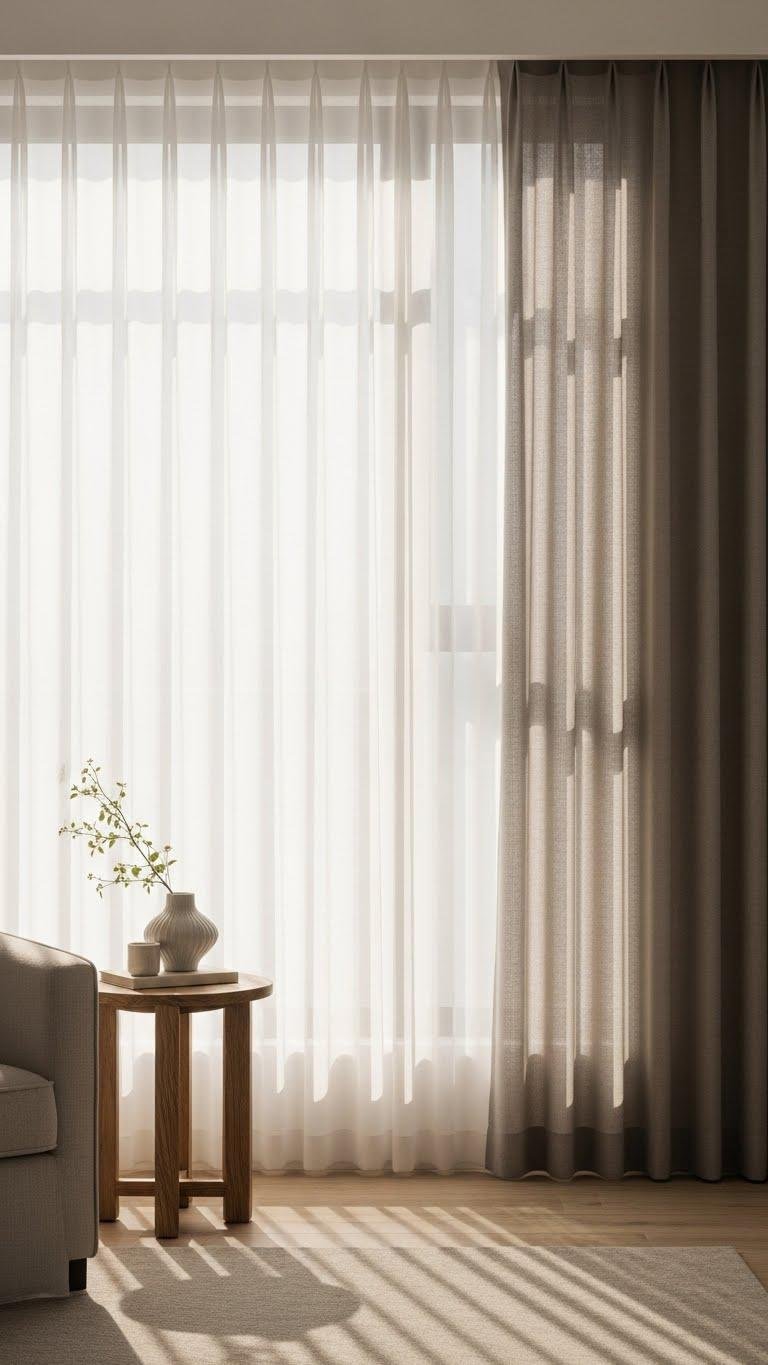
Although you want natural light, sheer window treatments will temper it into a soft, even glow that flatters textures and tones—so choose fabrics that diffuse rather than block.
You’ll balance airy freedom with function by combining privacy layering—slim sheers plus heavier panels—for daylight privacy and subtle thermal insulation.
Pick breathable linens or voile in muted palettes to keep spaces calm, modern, and effortlessly luminous.
Anchor Spaces With Small, Deep Accents

Introduce small, deep accents to give your room visual weight without overwhelming its softness. You’ll place miniature vignettes—a low-slung sculpture, a smoked glass candle, a folded linen—so corners feel grounded.
Favor concentrated colorways in one or two spots to anchor sightlines and invite calm. This keeps your space airy yet intentional, letting freedom and focus coexist.
Curate Minimal, Cohesive Accessory Groupings
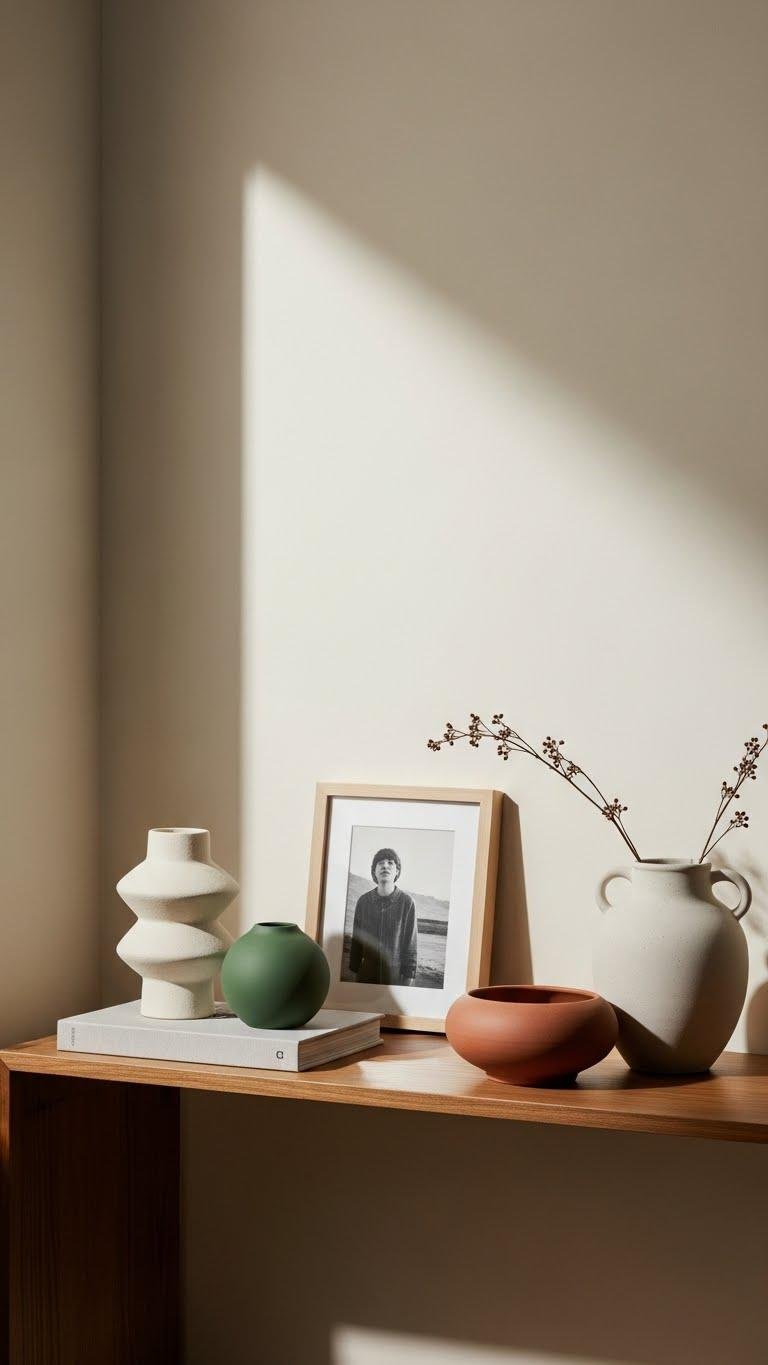
Once you’ve anchored corners with small, deep accents, think about composing accessory groupings that feel deliberate and restrained.
You’ll create curated clusters that read effortlessly — mixing sculptural ceramics, a single framed photo, and a tactile vase to form simple accessory narratives.
Keep color, scale, and negative space consistent so each cluster breathes, inviting calm and creative freedom without clutter.
Layer Textiles: Throws, Cushions, and Rugs

When you layer throws, cushions, and rugs with intent, they become the soft framework that ties a room’s palette and mood together.
You’ll mix scale and material for textured layering, choosing neutral heaps or bold pops that still feel airy.
Try seasonal fabric swaps—linen and light cotton for summer, plush wool and faux for winter—to keep freedom in your home’s cozy rhythm.
Integrate Woven and Natural-Fiber Accents
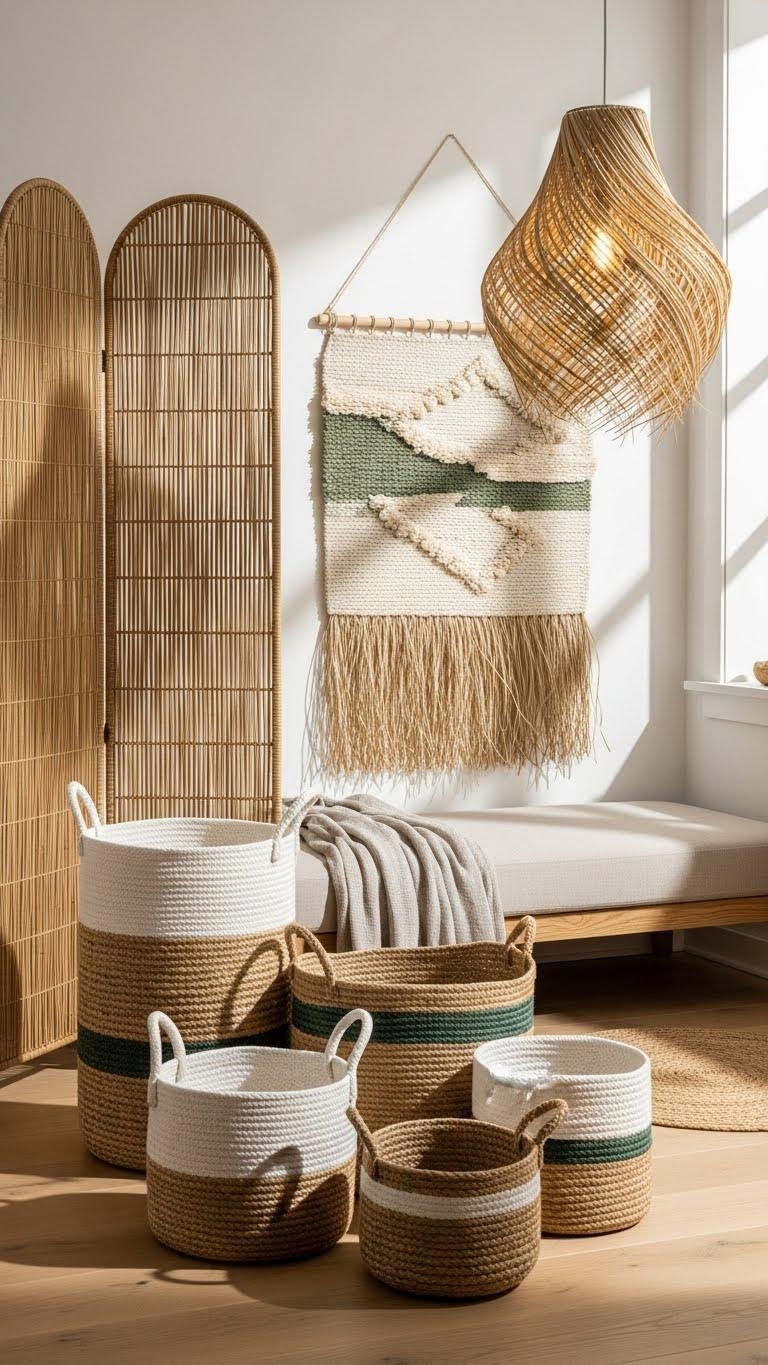
Layer woven and natural-fiber accents to bring warmth, tactility, and a quietly curated edge to your soft aesthetic. You’ll mix handcrafted jute baskets, seagrass wallart, a reed room divider, and a banana fiber lampshade to create relaxed structure and organic rhythm. These artisanal pieces feel modern yet free, grounding airy palettes while letting light, texture, and movement define your serene space.
Feature Subtle, Tone-on-Tone Patterns

Those woven textures set the stage for a subtler play of pattern: tone-on-tone motifs let you keep the calm while adding quiet movement and depth. You’ll favor a muted motif—soft contrast, repeated shapes—so spaces feel open and unconfined.
Let a whispering weave appear on cushions or drapery; it suggests texture without shouting, freeing you to live lightly and stylishly.
Mix Vintage or Distressed Pieces for Warmth

Pull in a weathered side table or a scuffed mirror to anchor a soft aesthetic with lived-in warmth—you’ll balance the room’s airy calm with pieces that carry history and character. Hunt flea market finds and let patina stories set a soulful tone.
Mix softened upholstery, muted pastels, and distressed wood to create relaxed layers that feel curated, free, and quietly timeless.
Place Live or Dried Soft-Foliage Botanicals

After you let a weathered table or scuffed mirror anchor the room, bring in live or dried soft-foliage botanicals to soften edges and add breathable movement. You’ll layer hanging pampas plumes for height and airy texture, tuck pressed eucalyptus into frames or stacks of books, and arrange loose sprigs in mismatched vases. These choices feel effortless, freeing, and quietly sophisticated.
Use Frosted or Opaline Glass Lighting Fixtures

Often you’ll find frosted or opaline glass fixtures give a room that soft-focus glow that completes a soft aesthetic—diffusing light so surfaces look velvety and colors read warmer without harsh shadows. You’ll choose pieces shaped by hazy glassblowing and modern opaline pendantcasting to make sculptural, airy statements. They feel liberated, layering gentle illumination that invites calm, movement, and personal expression.
Keep Layouts Decluttered With Intentional Negative Space

When you leave breathing room around furniture and objects, the room instantly feels calmer and more intentional—negative space lets each piece read clearly and lets the eye rest.
Embrace negative margins and defined breathing zones so you can move freely, curate fewer objects, and highlight textures. You’ll create airy, purposeful spaces that feel modern, soft, and liberating without clutter or excess.
Scale Furniture for Human Comfort and Relaxation
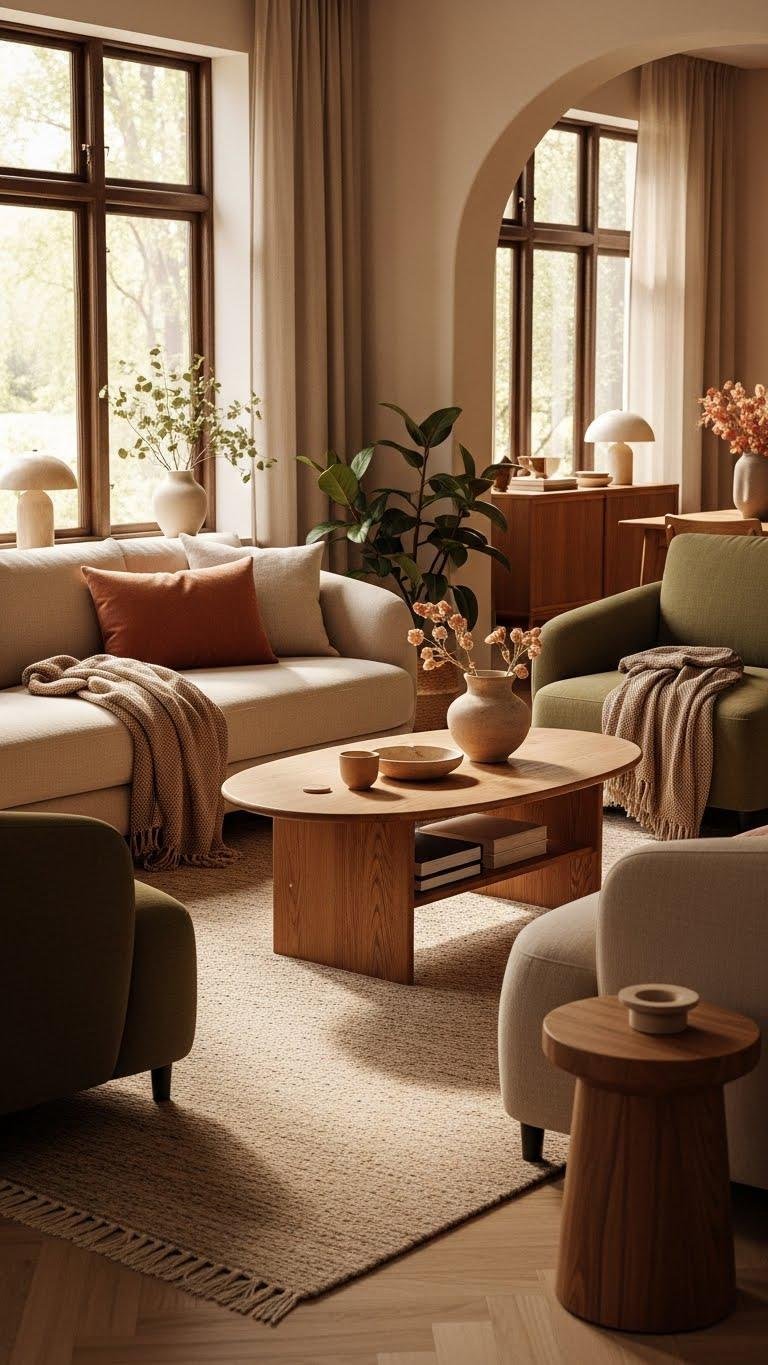
While you want rooms to look airy, you also need furniture that feels grounded and human-scaled so every seat invites lingering; choose proportions that match body size and movement patterns rather than filling floor area for effect.
You’ll pick pieces with correct ergonomic dimensions, gentle curves, and breathable materials. Favor versatile, child friendly scale that supports relaxation, movement, and a liberated, lived-in vibe.
Repeat Material and Finish Language Across Rooms

Because your home reads as a continuous story when you repeat material and finish language, pick a few core surfaces—like matte oak, warm terracotta, linen and brushed brass—and let them reappear in varying doses across rooms so shifts feel intentional rather than accidental.
Use matching hardware and consistent trim to tie moments together, letting restrained repetition amplify freedom and a softly curated, modern rhythm throughout your space.
Create Cozy Nooks With Daybeds and Chaise Seating

Curl up on a tailored daybed or chaise to carve out intimate moments without rebuilding your floorplan.
You’ll define window alcoves and corners into liberated retreats, layering plush textiles, sculptural pillows, and soft lighting.
Invite reading rituals with a swivel lamp and small shelf, keeping the vibe airy yet curated.
This approach feels modern, gentle, and utterly yours—effortlessly free.