
You’ll learn how to arrange shelves so every vignette feels intentionally composed and effortless. Start by grouping objects in threes, alternating stacked books with vertical spines, and using one tall anchor per shelf. Mix matte ceramics, glass, metal, and woven textures, repeat a limited palette, and leave plenty of negative space—then tweak heights and density until each shelf reads like a cohesive whole. Want more specifics on layout and styling?
Create Diagonal Symmetry With Zigzag Pairings
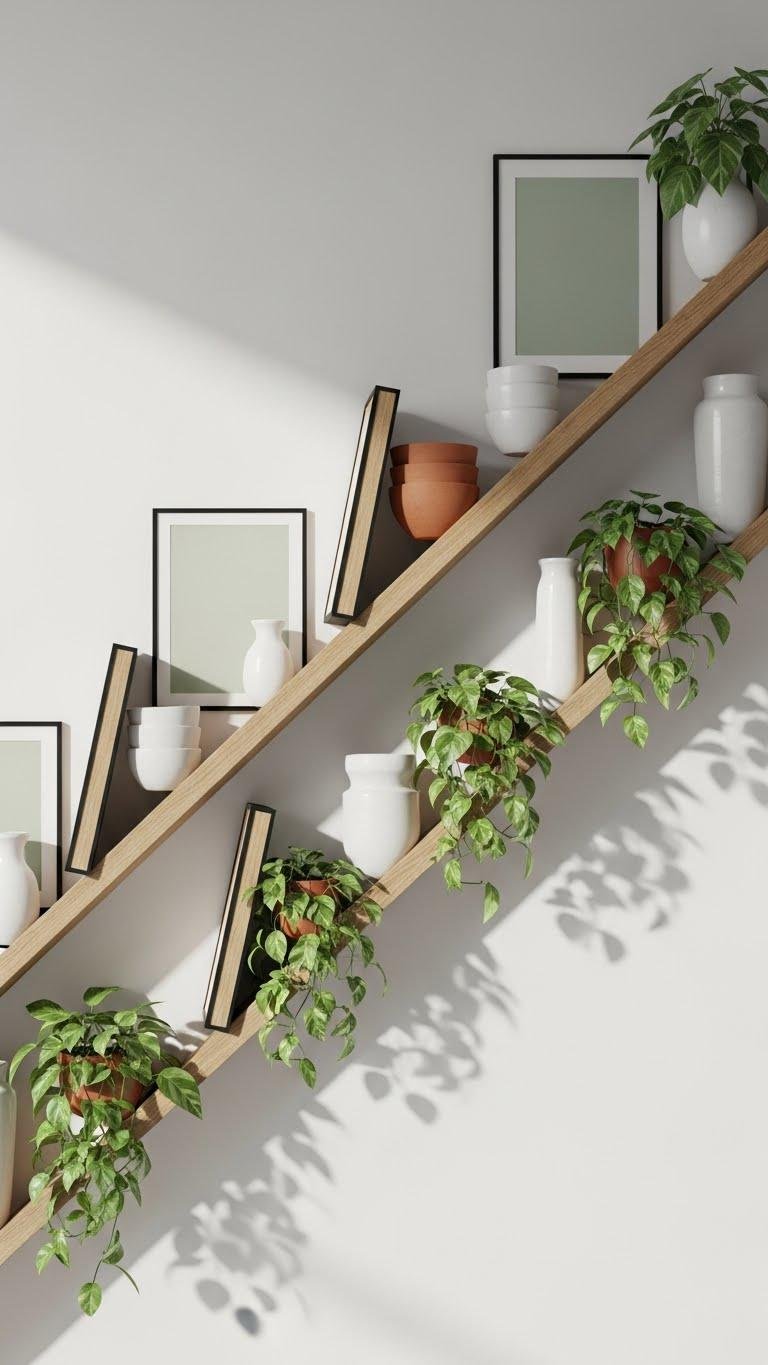
When you arrange objects in a zigzag, you create diagonal symmetry that guides the eye across the shelf and keeps the composition feeling deliberate. You’ll mix heights, textures, and open space to establish diagonal balance and a subtle zigzag rhythm.
Let simple ceramics, lean frames, and plants alternate so the arrangement feels curated, airy, and free—each piece earning its calm spot.
Anchor Bottom Shelves With Oversized Baskets
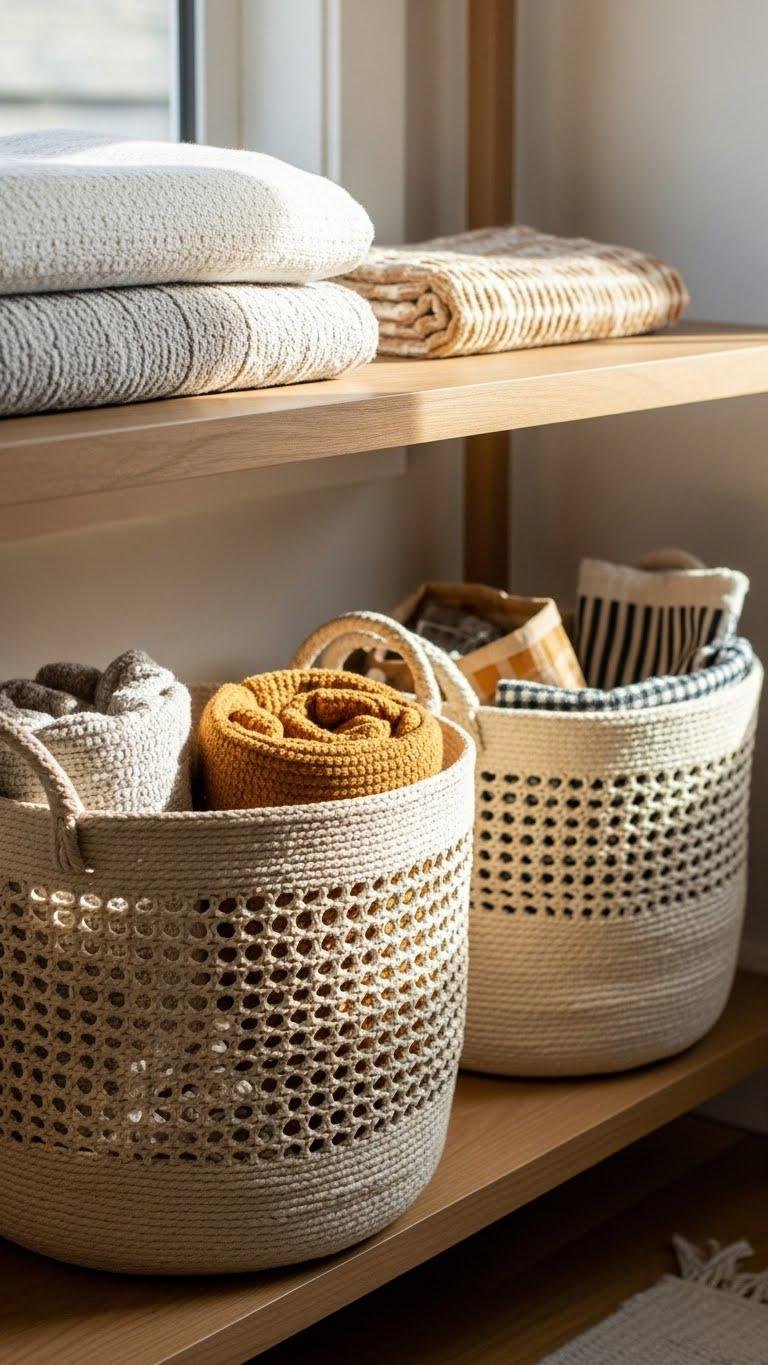
Tuck oversized woven baskets on the bottom shelf to ground the vignette and add tactile weight—they give your display a visual anchor while keeping things tidy.
You’ll mix form and function by choosing a woven basket with a textured liner, pairing neutral tones and open weave.
Drop cozy throws or market finds inside; the result feels curated, balanced, and freeing without clutter.
Layer Books Horizontally and Vertically for Height
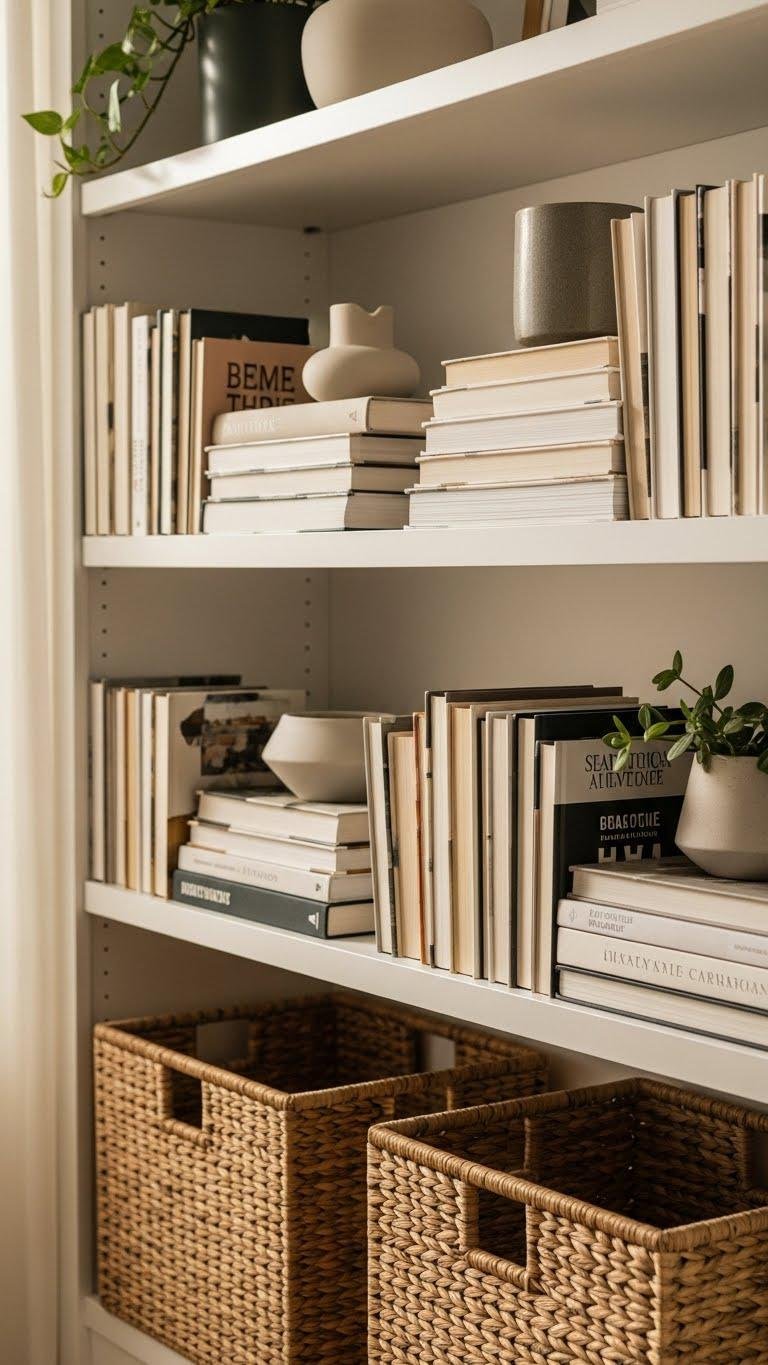
Now that the bottom shelf feels grounded with oversized baskets, bring the eye upward by layering books both horizontally and vertically to create height and rhythm.
Mix horizontal stacks with standing vertical spines to sculpt movement and texture. You’ll balance weight and negative space, curate pockets for small objects, and keep the arrangement airy so your shelves feel liberated, intentional, and effortless.
Group in Threes With Varying Heights
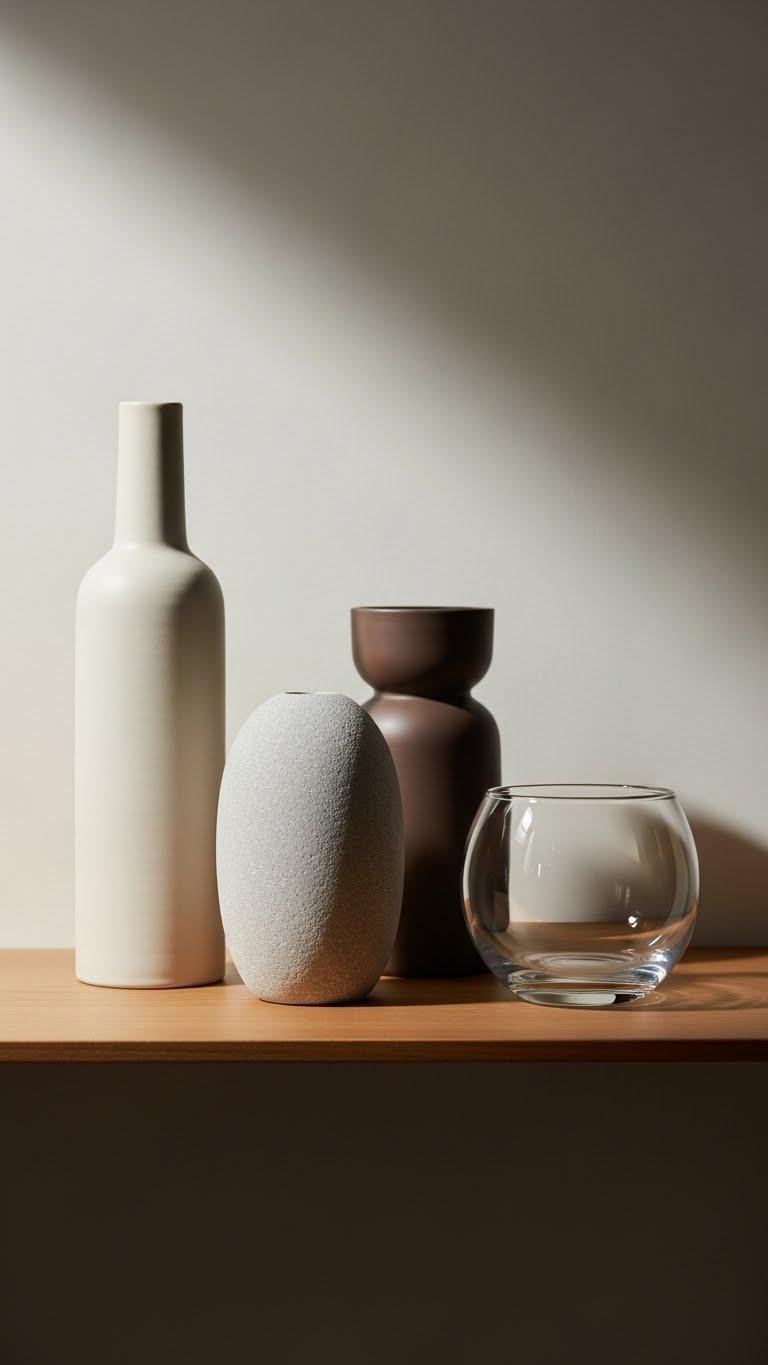
Try grouping objects in threes to create a small, confident vignette that reads balanced from every angle. You’ll lean into height gradation: tall, medium, short pieces that guide the eye. Trio styling feels intentional, effortless and free — curated objects with varied scale and surface suggest movement without clutter. Place them slightly offset for breathing room and a relaxed, composed shelf moment.
Mix Textures: Wood, Metal, Glass, and Woven
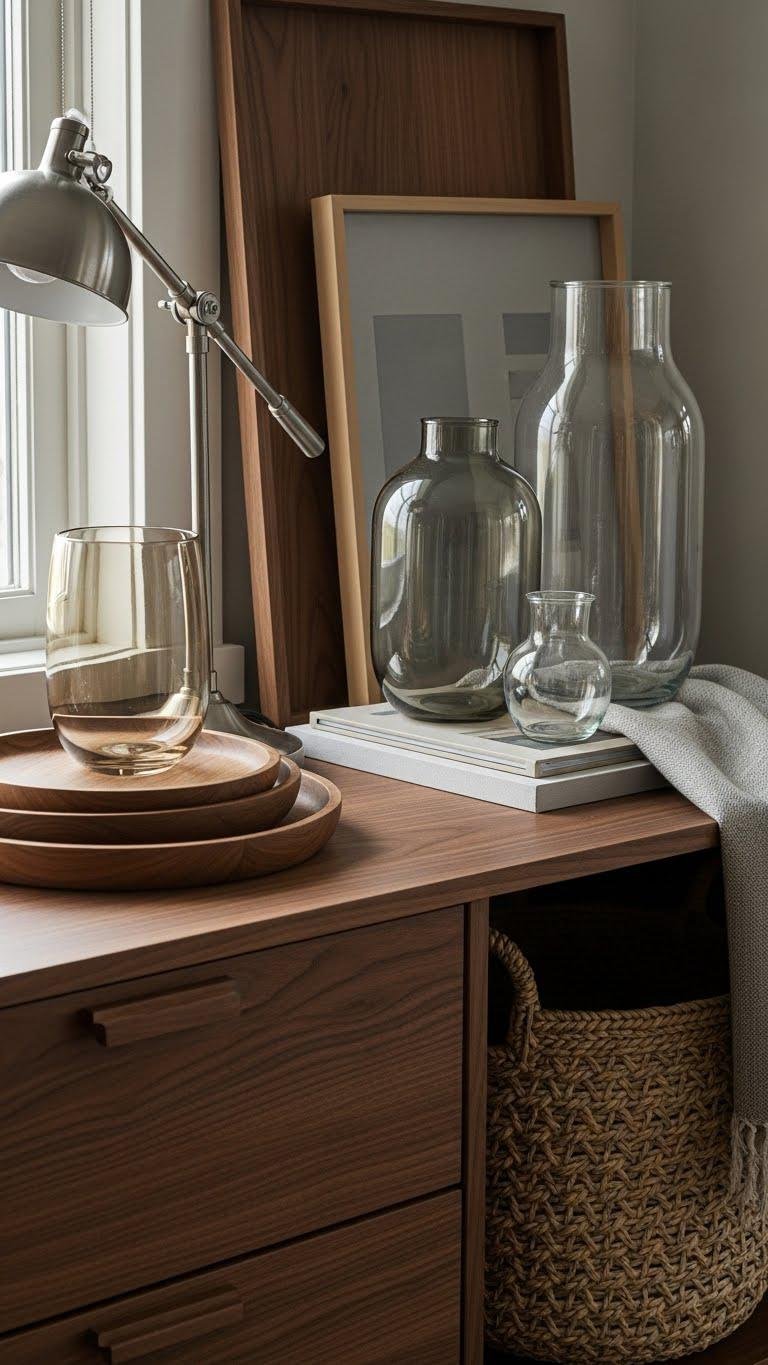
When you layer wood, metal, glass, and woven pieces together, each surface plays a clear role: warm grain anchors, cool metal adds edge, glass brings light, and woven fibers soften the whole.
You’ll create tactile contrast and a deliberate temperature mix, arranging items so rhythm and negative space let each texture breathe.
The result feels curated, liberated, and confidently balanced.
Use a Neutral Base and Add Two Accent Colors

Because a neutral base gives your eye room to rest, start with warm creams, soft grays, or natural wood tones and introduce two accent colors to guide the mood and rhythm of the shelf.
You’ll build a neutral foundation that feels open and calm, then use deliberate accent placement—pops of color in groups—to create a curated, textured look that lets your personality roam free.
Place Tall Items at the Back, Small in Front
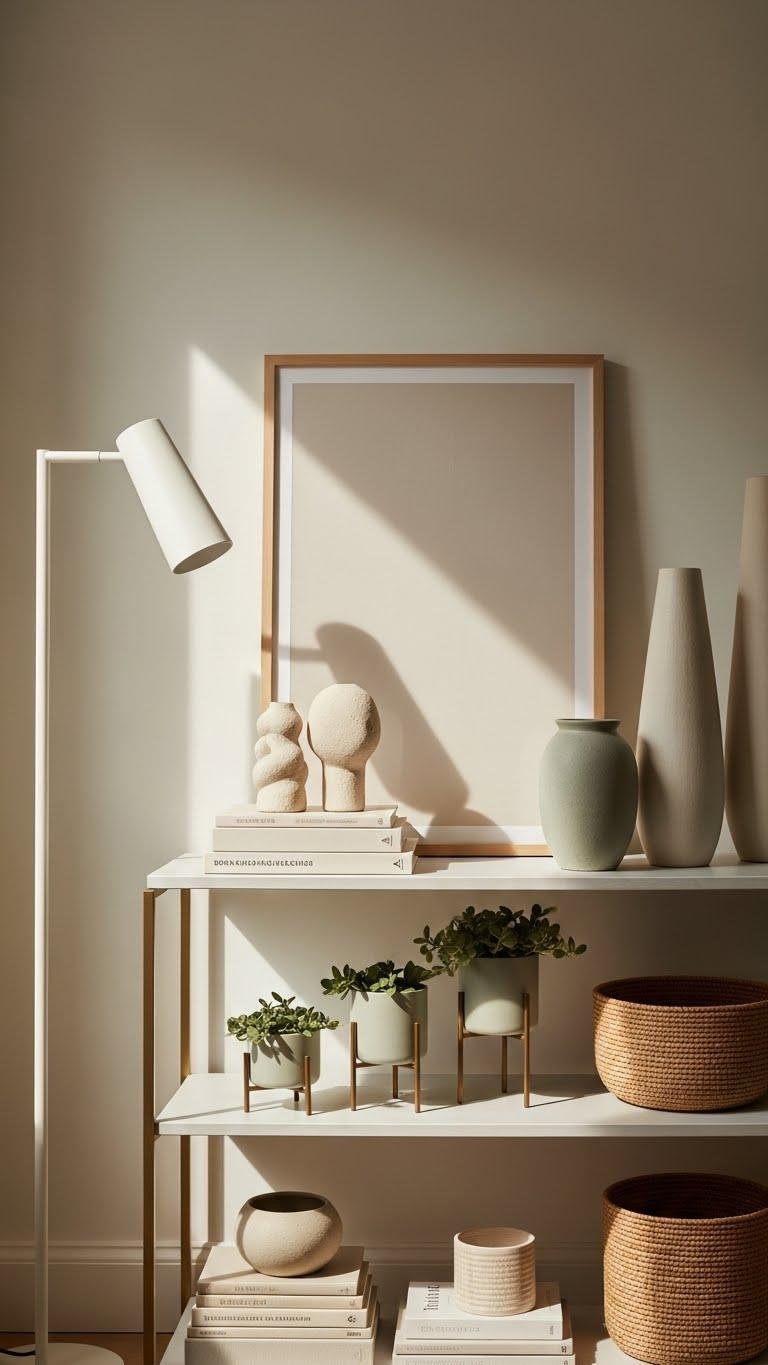
Although a shelf full of objects can feel cluttered, placing taller pieces at the back and smaller ones in front instantly creates depth and keeps the display readable.
You’ll arrange vertical lighting and taller art behind lower sculptures and graduated planters so sightlines stay open.
This curated, textured approach gives you freedom to layer, highlight, and edit without overcrowding, keeping balance effortless and intentional.
Alternate Group Quantities Shelf to Shelf
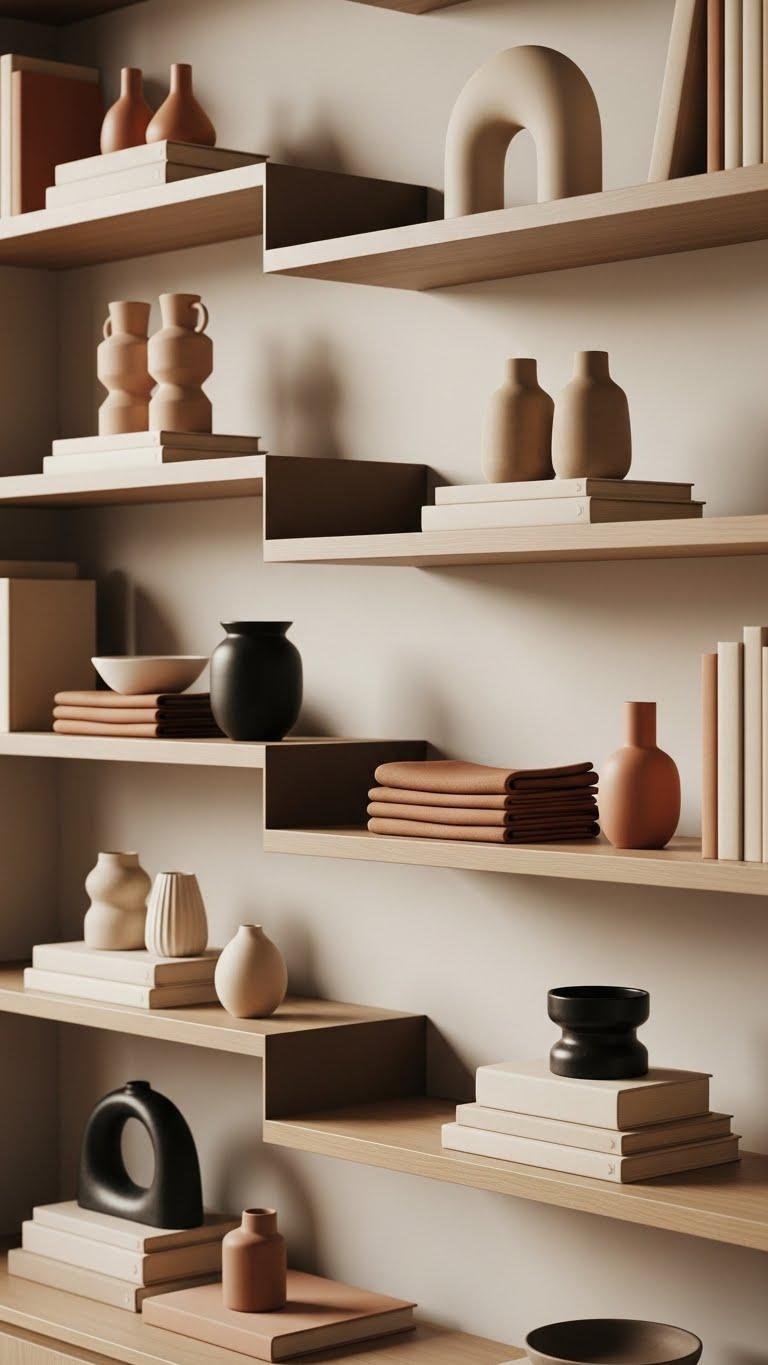
Try alternating the number of objects from shelf to shelf to create a rhythmic, edited look that feels deliberate and airy. You’ll use alternating counts—three here, two there—to build a calm shelf rhythm that reads like a curated vignette. Keep stacks varied in height and texture, let negative space breathe, and trust your eye for a liberated, balanced composition.
Repeat Accent Colors Across Shelves for Cohesion
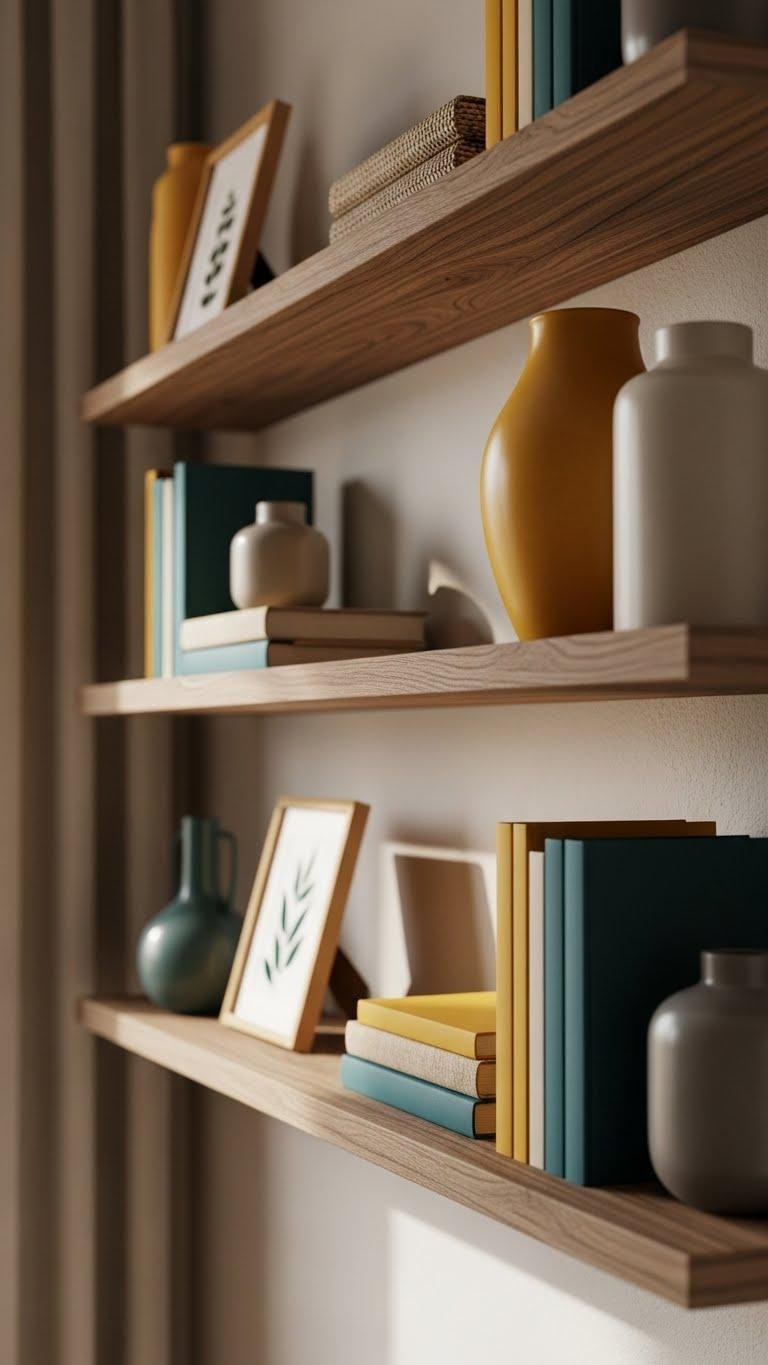
Often you’ll find that repeating one or two accent colors across shelves instantly ties a collection together, giving the arrangement a curated, rhythmic feel without becoming matchy.
You’ll use accent repetition to guide the eye, layer textures, and create subtle color rhythm. Place echoes of the hue in books, ceramics, and small art so each shelf feels intentional yet freely composed.
Leave Negative Space Around Focal Pieces
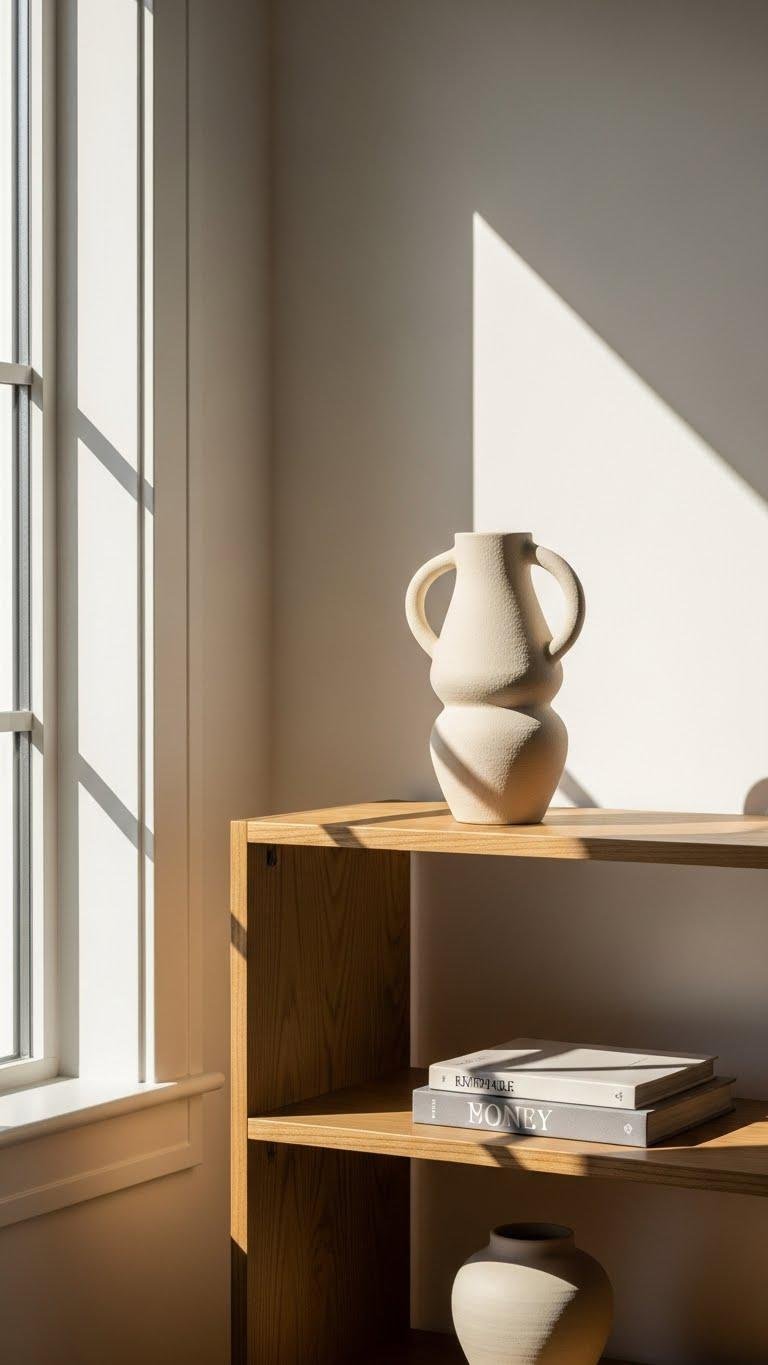
When you give a standout object room to breathe, it becomes the anchor of the shelf instead of just another item in the crowd. Let negative margins frame that piece, creating breathing room that highlights texture and form.
You’ll curate a calm, open composition that feels intentional and free, where each object earns attention and the overall display stays balanced without feeling crowded.
Introduce Greenery in Spaced Intervals
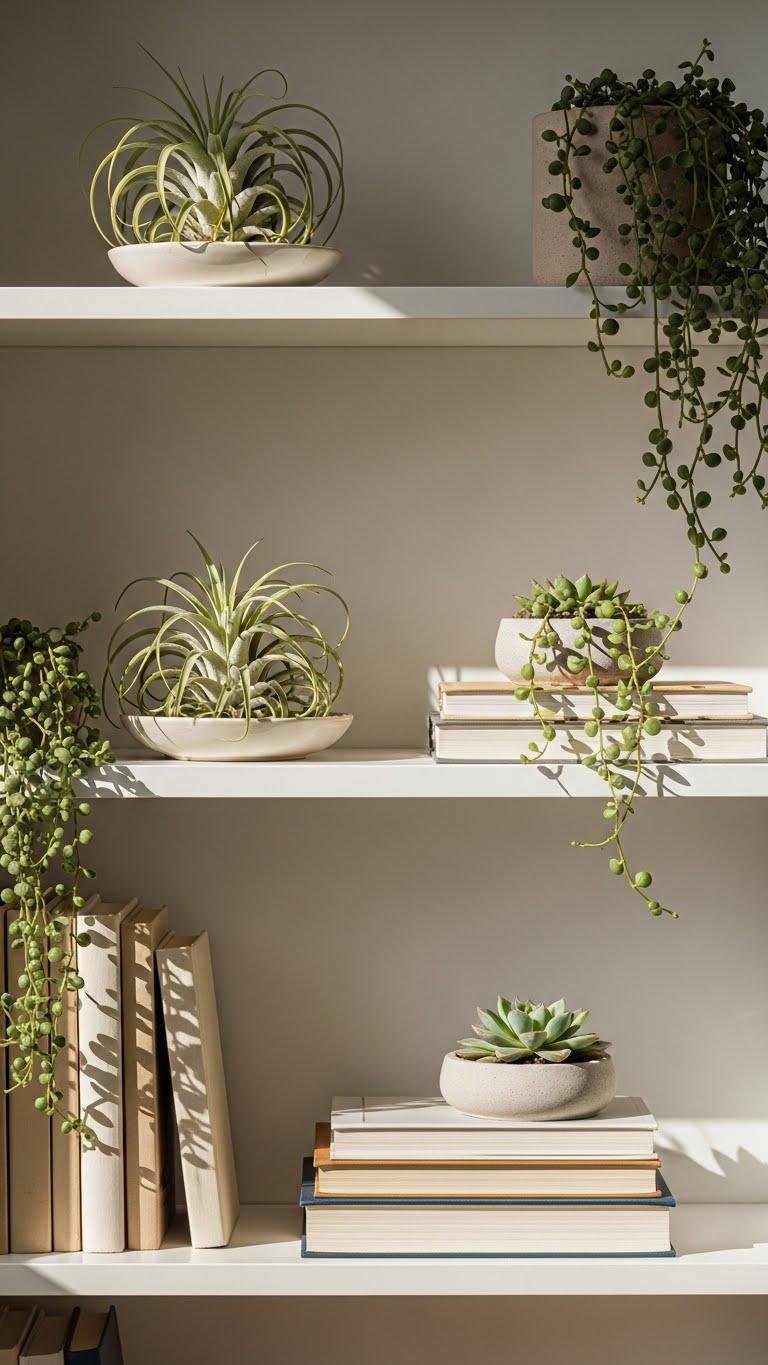
After leaving breathing room around your focal pieces, sprinkle living elements between objects to add texture and life without cluttering the view. Place potted airplants in minimalist dishes, tuck small succulents near books, and let staggered trailing vines spill gently over edges. You’ll create curated rhythm and airy balance, giving shelves a textured, liberated feel that still reads calm and intentional.
Combine Old and New Objects for Visual Interest
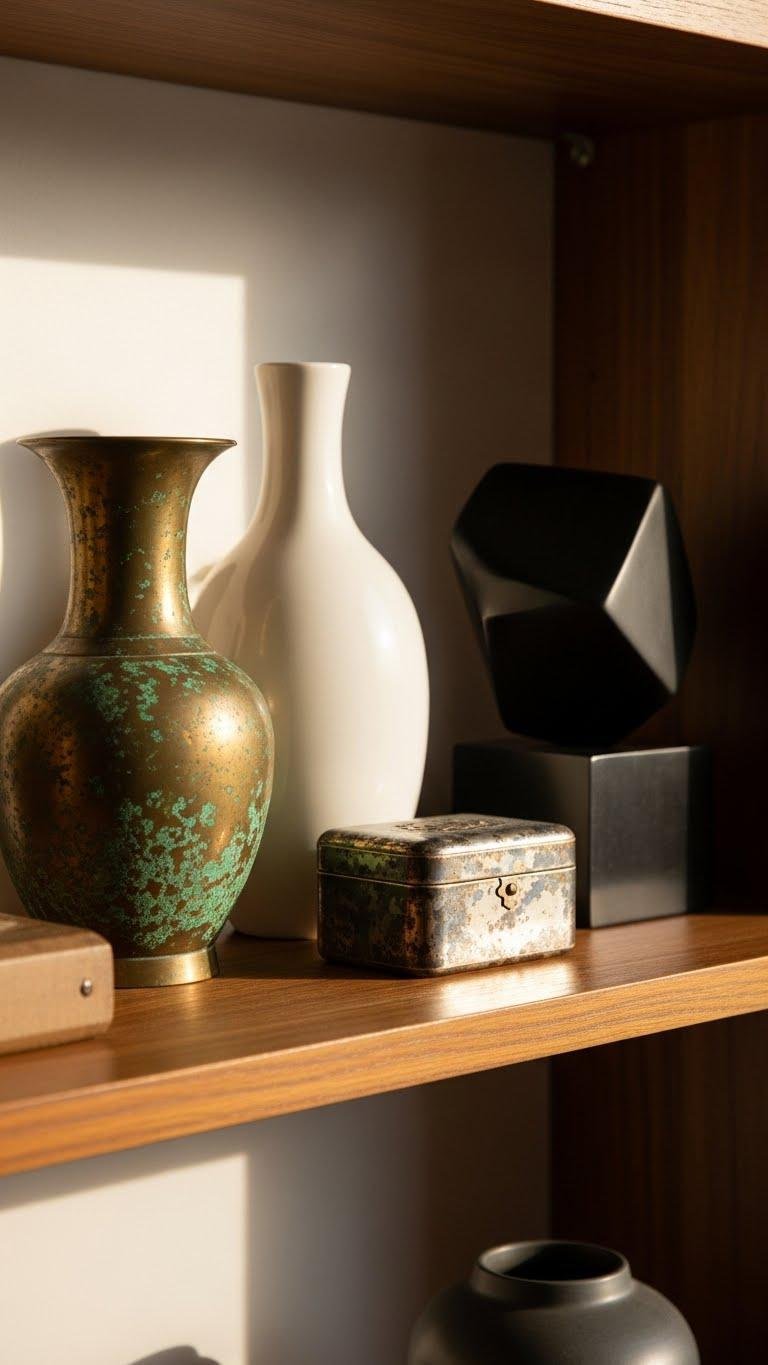
Mix vintage pieces with sleek modern finds to build a layered, tactile story on your shelves. You’ll create patina pairing that feels intentional: a worn brass vase beside a minimalist ceramic, an heirloom juxtaposition that celebrates contrast.
Arrange by scale and texture, leave breathing space, and let each object speak. The result feels curated, free, and balanced without fuss.
Use Artwork as a Color Palette Anchor
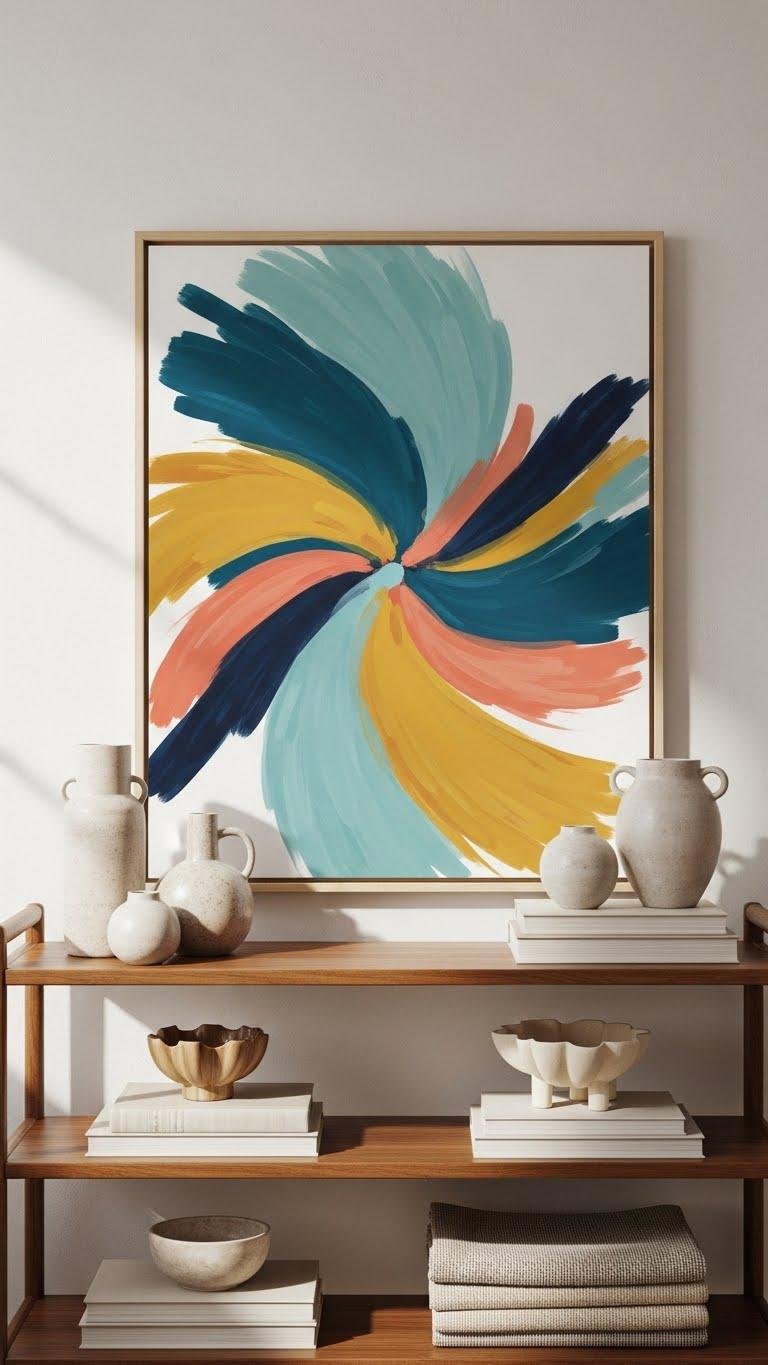
Looking for a simple way to tie a shelf vignette together? Use artwork as your color anchors: choose a bold print or abstract that echoes key hues, then layer objects that pick up its tones. That curated focal piece creates tonal contrasts and textured harmony, letting you arrange freely while maintaining measured balance. Trust the art to guide placement and unify the whole display.
Balance Large Objects With Multiple Small Ones
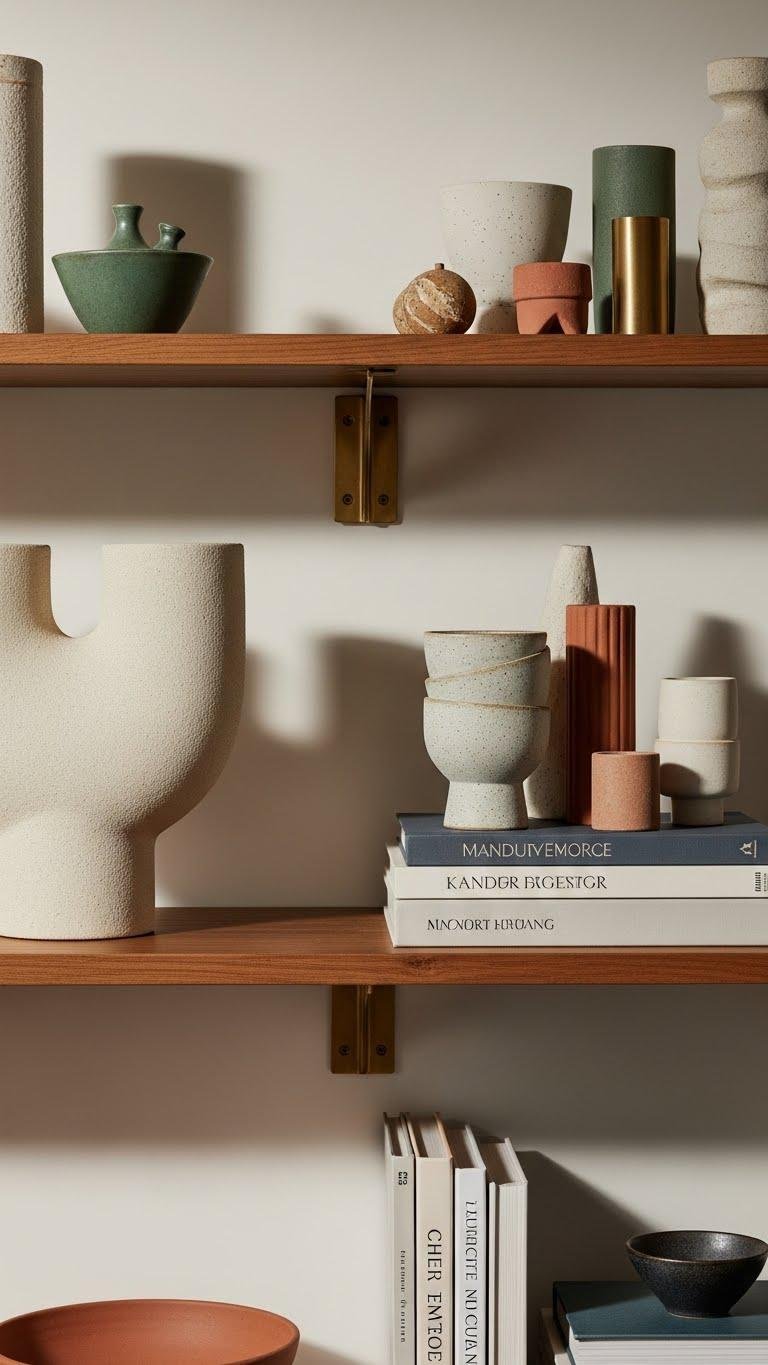
Balancing a large sculptural piece with a cluster of smaller items keeps a shelf feeling intentional instead of top-heavy, so place the big object slightly off-center and respond with varied-height groupings on the other side. You’ll use scale contrasts to create tension and calm, arranging textured ceramics, books, and trinkets for focal repetition. Let each pairing feel curated, airy, and free.
Use Risers and Pedestals to Vary Levels
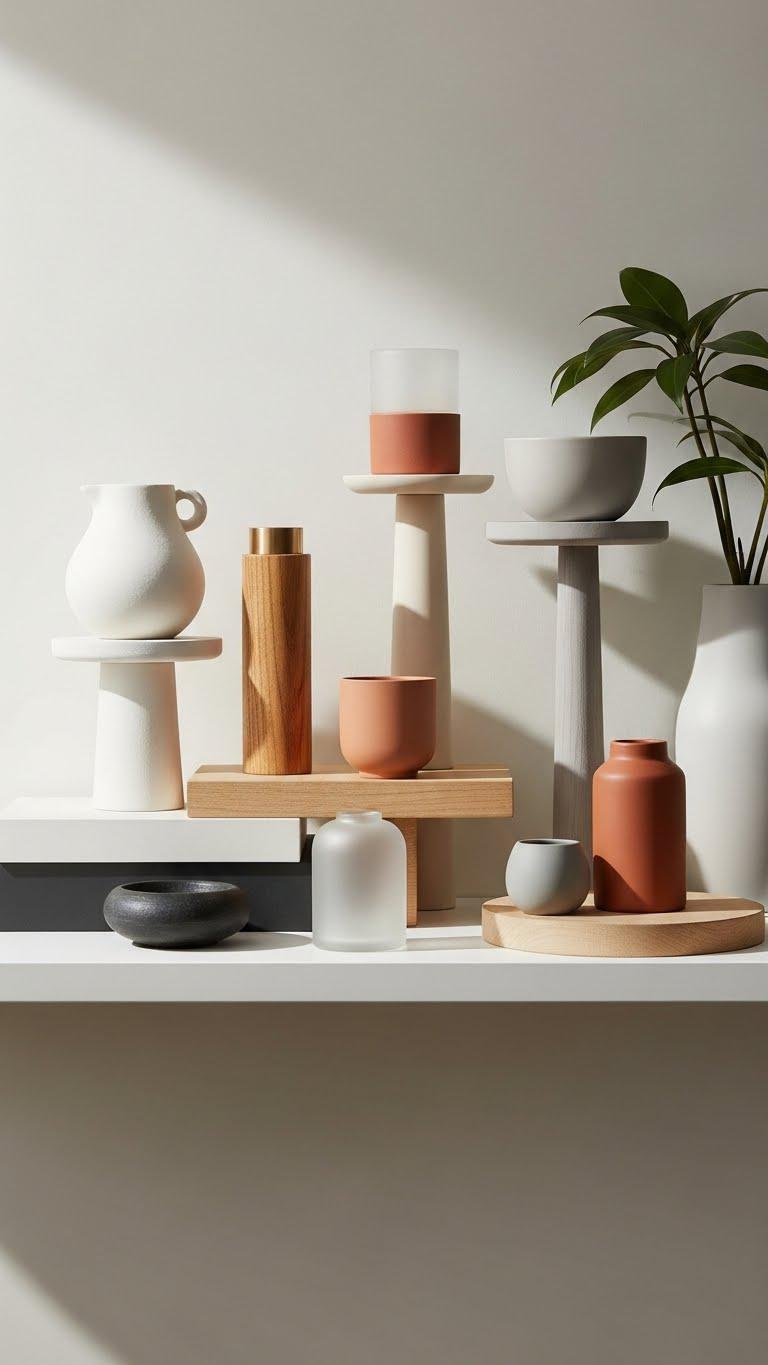
Lift a few pieces with low risers or slender pedestals to create a layered skyline that feels intentional, not crowded. You’ll use height platforms to punctuate sightlines, freeing surfaces while adding texture. Mix materials and scales with confident pedestal styling so each object breathes. The result’s curated, airy, and balanced — a shelf that invites movement and choice without feeling rigid.
Cluster Similar Materials Before Dispersing Them
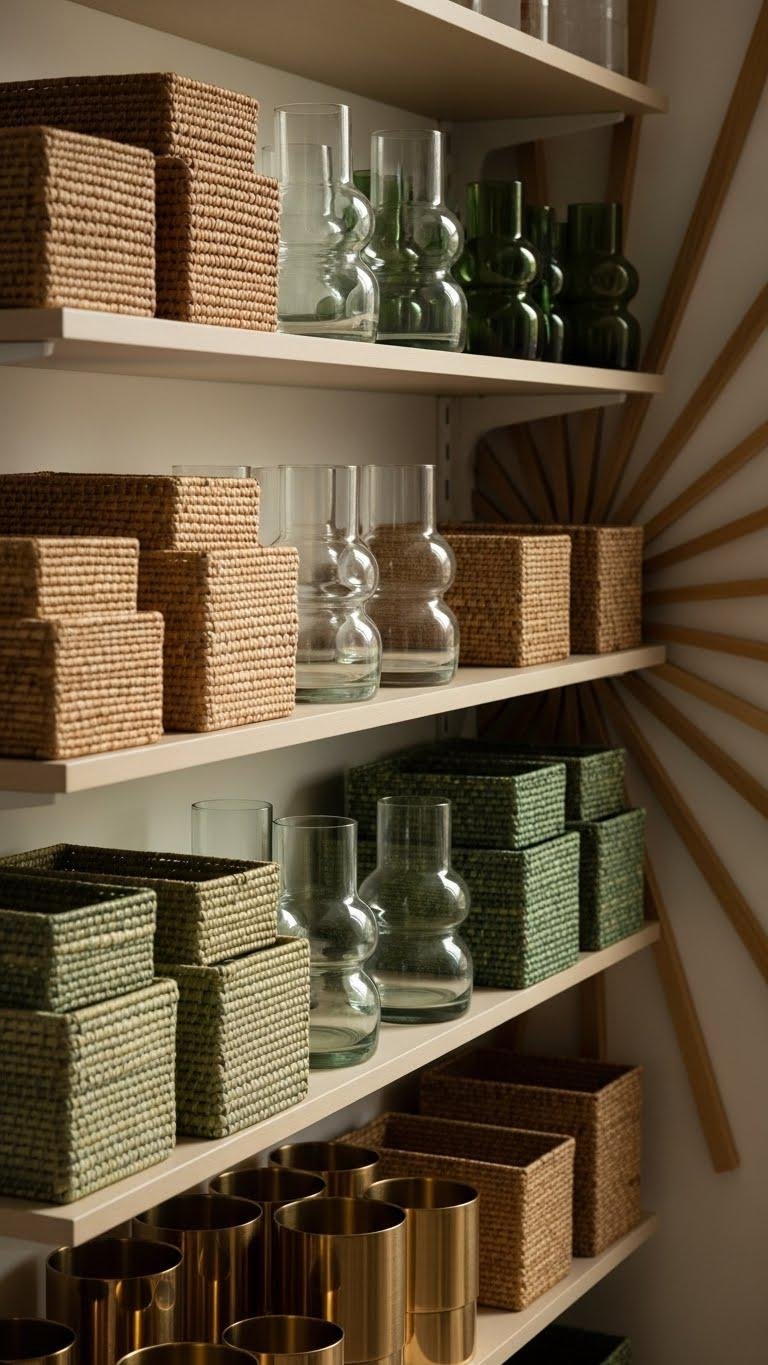
When you group like materials together first, you create pockets of texture that feel intentional and easier to edit later.
You’ll form material clusters that anchor the shelf, then spread elements outward to breathe.
Aim for tactile contrast—woven, glass, metal—to keep things lively without chaos.
This curated approach gives you freedom to tweak confidently, balancing texture, rhythm, and openness across each shelf.
Offset a Statement Piece With Simple Surroundings
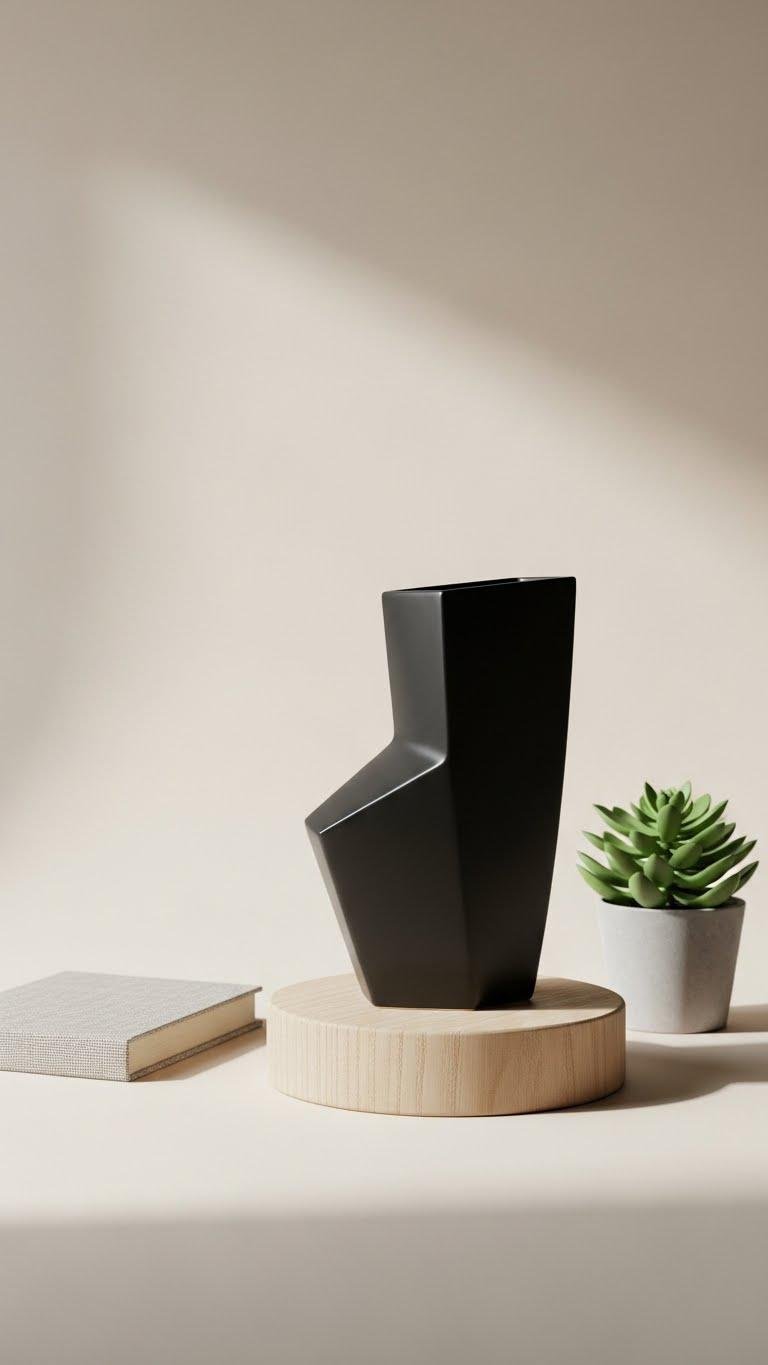
Because a bold object commands attention, set it against calm, uncluttered surroundings to let its shape and finish sing. You’ll use contrasting scale to emphasize that piece — small, spare items nearby or open negative space. Rely on contextual framing: a single book, a low plant, a textured backdrop. You’ll create curated, textured balance that feels freeing and intentional.
Incorporate Reflective Glass or Metal for Light
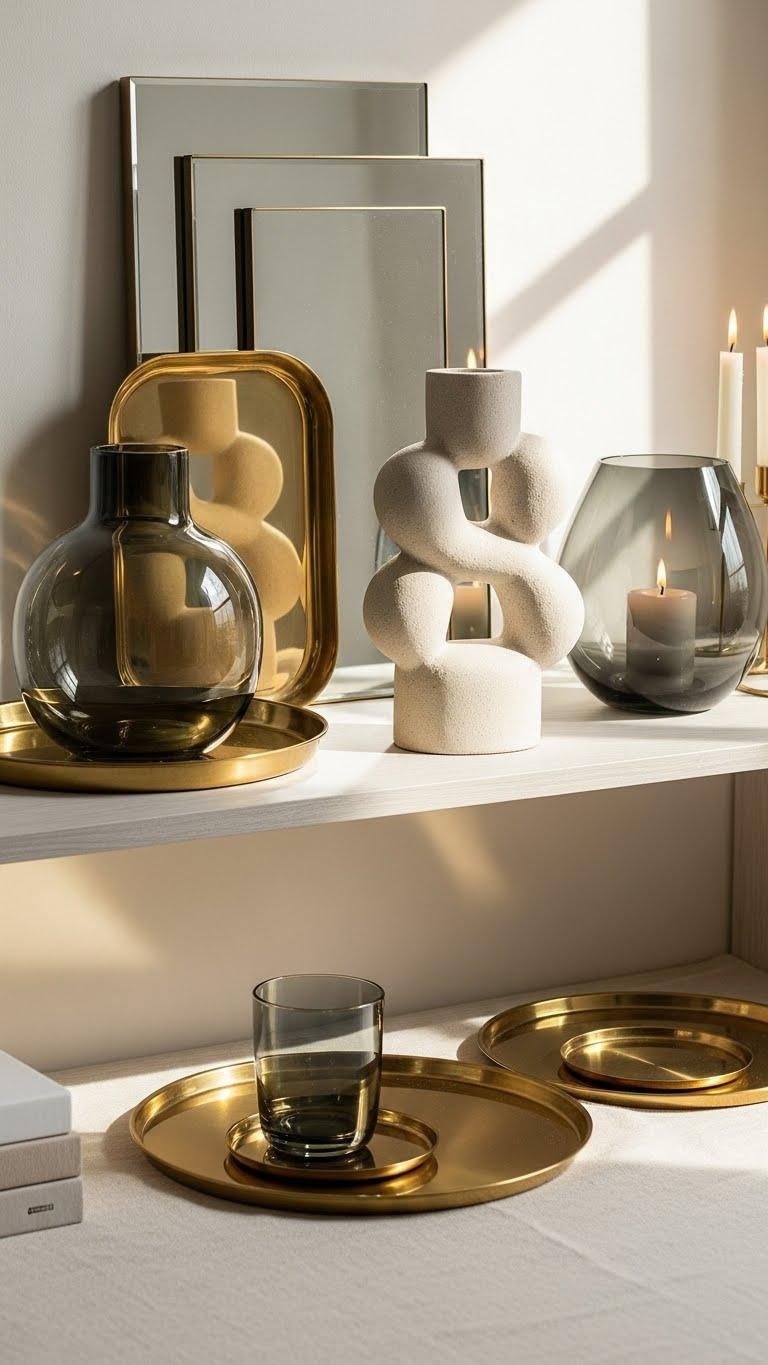
After you’ve given a statement piece room to breathe, bring in reflective glass or metal to animate that calmness with light and subtle movement. You’ll place polished brass, smoked glass, or petite trays to create reflective vignettes that amplify airiness.
Use mirror layering sparingly to catch sun and candlelight, keeping compositions curated, textured, and free — inviting effortless, liberated style on every shelf.
Mix Round and Angular Shapes for Contrast
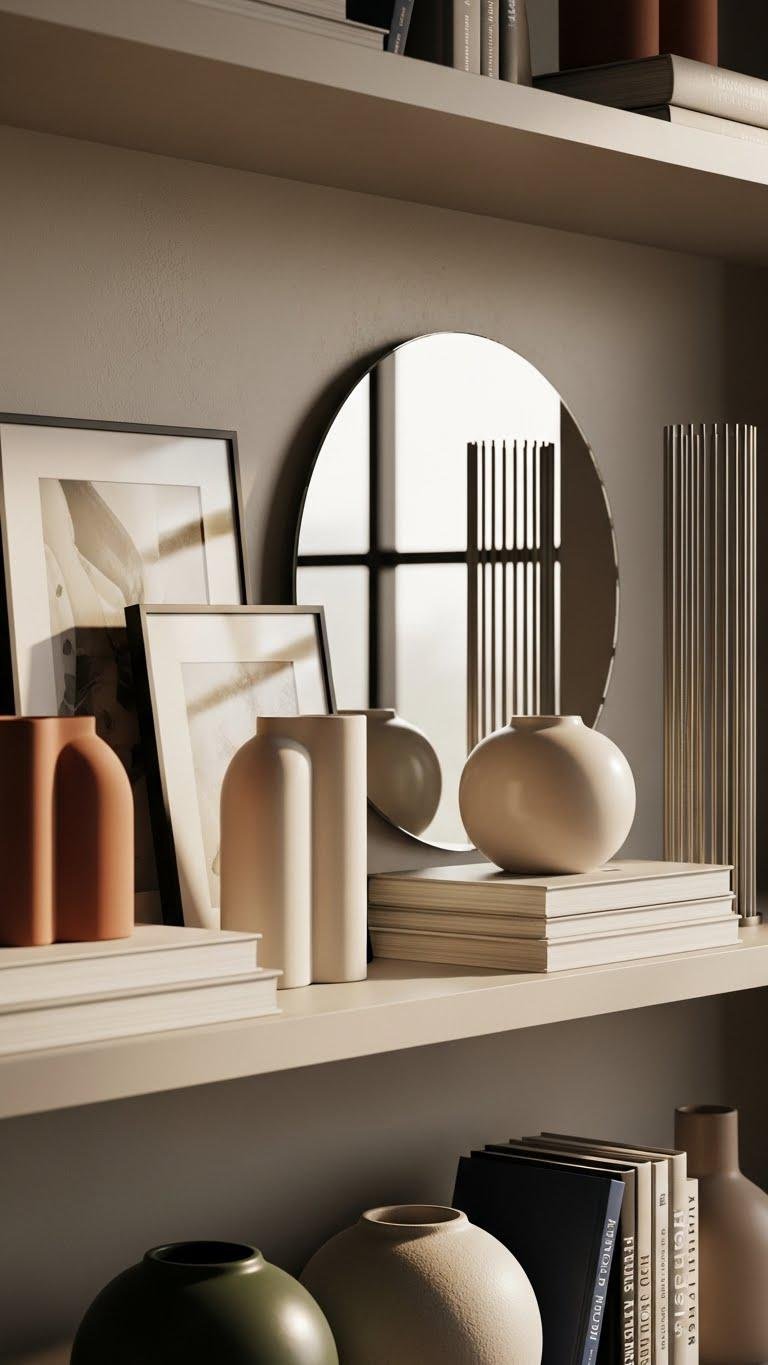
While you’ve given your statement pieces space to breathe, introduce contrast by mixing round and angular shapes to sharpen the eye and anchor the shelf’s rhythm.
Pair curved edge vases with crisp geometric books or frames, and balance circular mirrors against linear sculptures.
You’ll create a curated, textured tableau that feels liberated — deliberate opposites that read as effortless, balanced design.
Stack Decorative Boxes or Trays for Texture
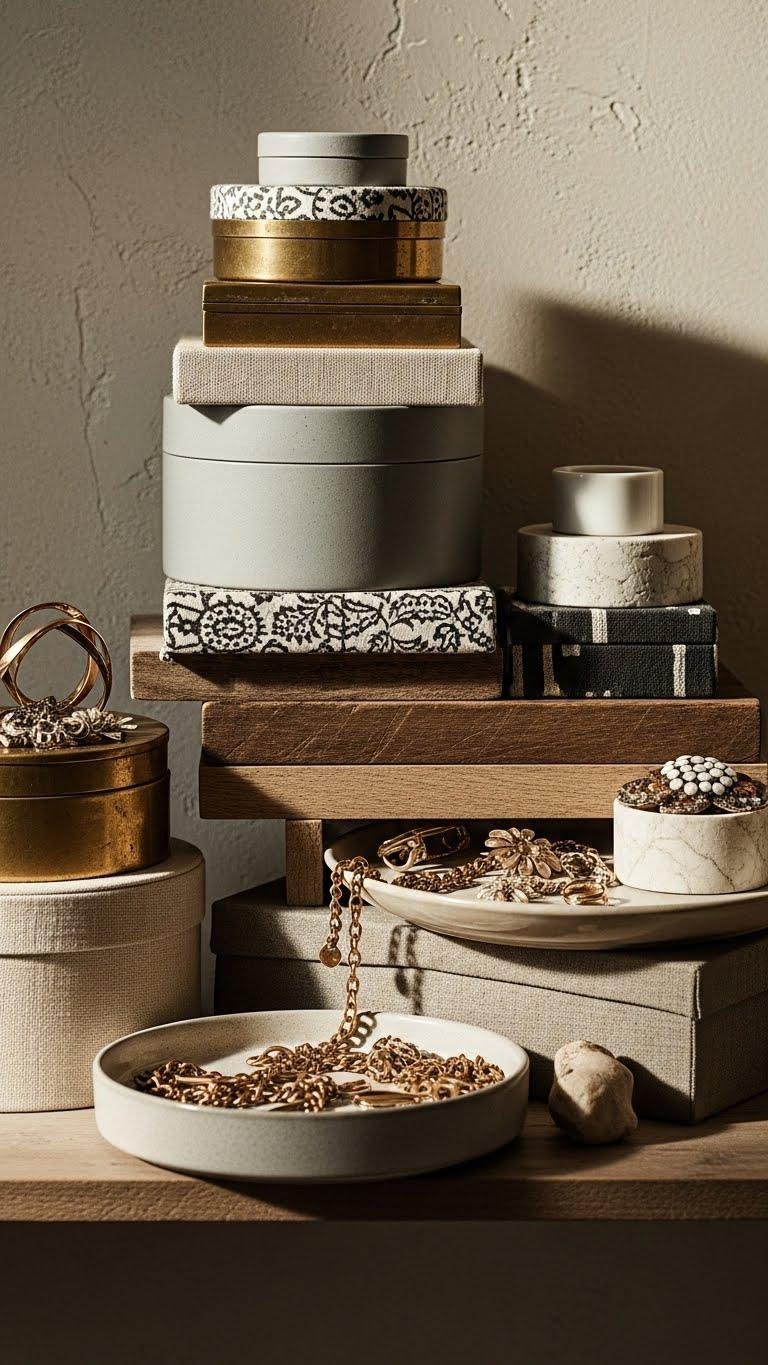
To build on the contrast you’ve created with round and angular pieces, add stacked decorative boxes or trays to introduce layered texture and height. You’ll curate a free-spirited shelf by mixing materials and patterned liners for pops of surprise, tucking vintage jewelry into shallow trays for charm. Stack asymmetrically to keep balance lively, tactile, and effortlessly collected.
Echo Patterns and Shapes Across Different Shelves
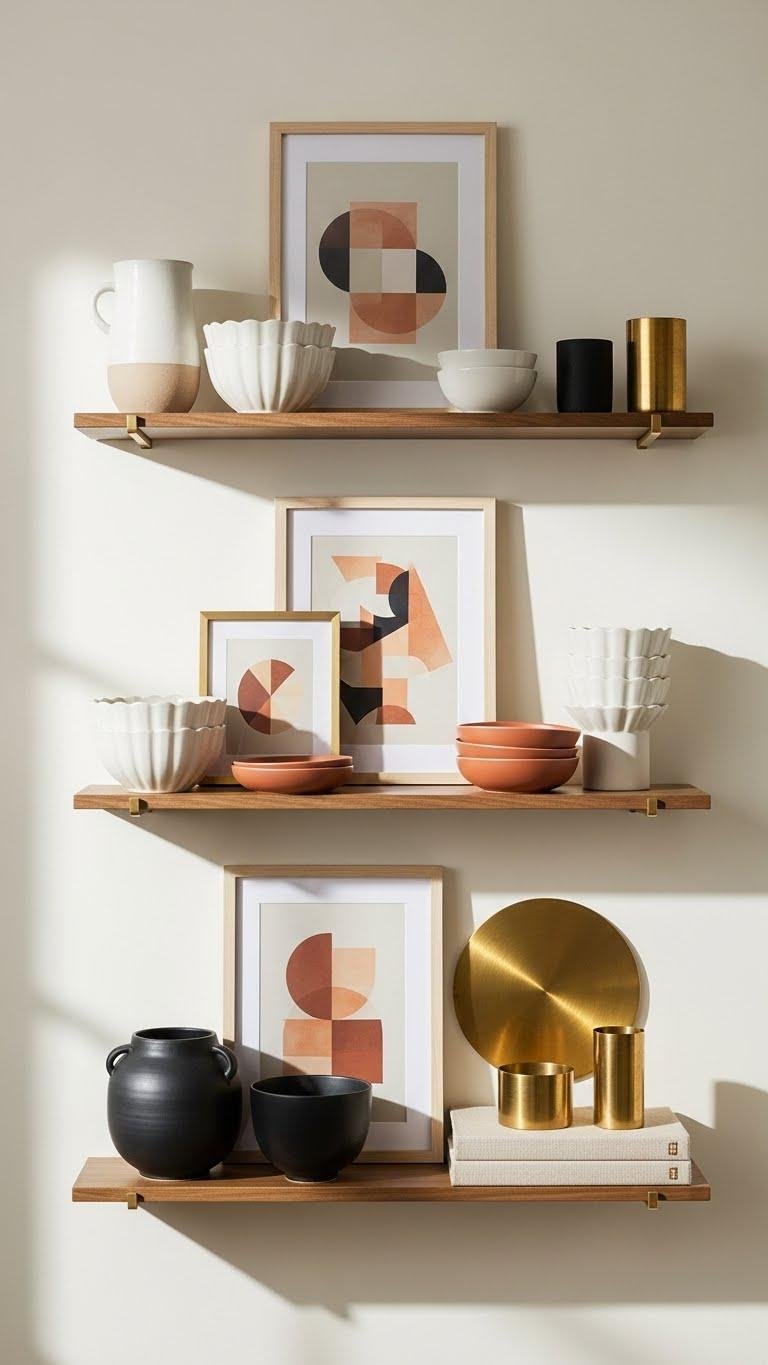
If you repeat a motif—think a scallop edge, a geometric print, or a warm brass tone—across separate shelves, your eye will travel through the space and everything will feel deliberately connected.
You’ll echo patterns and shapes with mirror motifs and circular repeats, layering texture and curated restraint.
Choose scale, alternate materials, and leave breathing room so each shelf reads free, intentional, and balanced.
Place One Tall Vertical Element Per Shelf
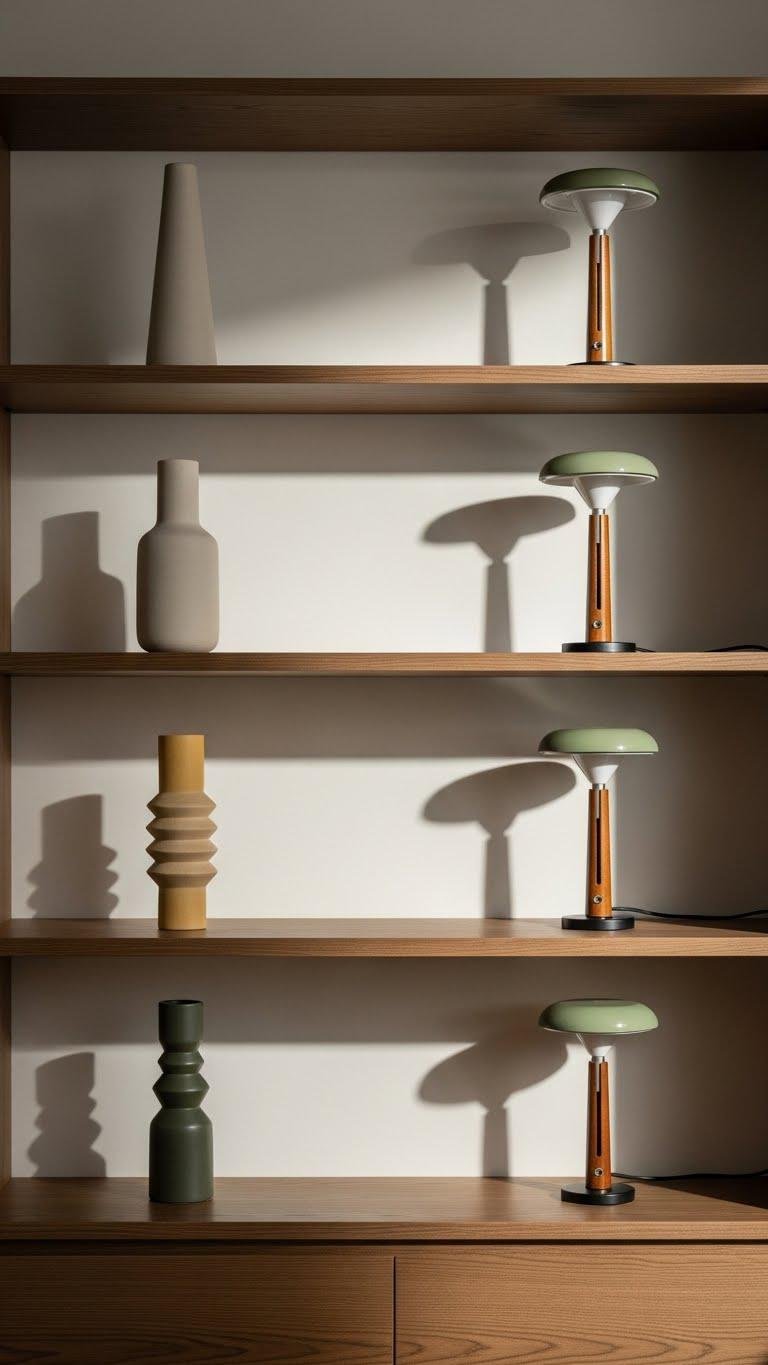
When you add a single tall vertical piece to each shelf—like a slender vase, a stacked sculpture, or a narrow lamp—you give the eye an anchor that creates instant rhythm and balance across the vignette.
Choose pieces that play with scale illusions and emphasize vertical rhythms; they’ll punctuate texture, free your style, and guide sightlines while keeping the arrangement curated, uncluttered, and confidently composed.
Layer a Small Sculpture in Front of Books
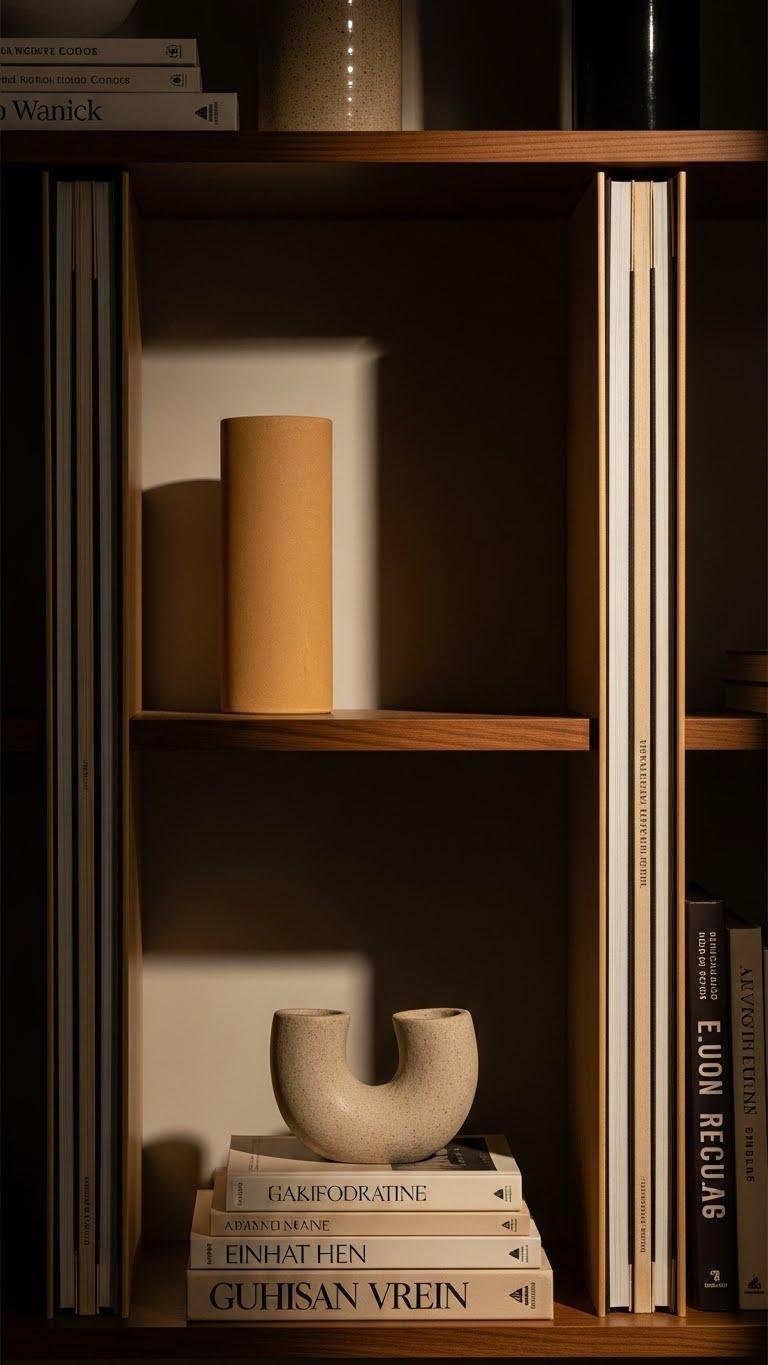
After you’ve set a tall vertical piece on each shelf to anchor the eye, introduce a small sculpture in front of a stack of books to add depth and personality. You’ll balance curves against spines, rest pieces on scaled bases, and angle them toward an angled spotlight. Keep proportions confident and textured, so each vignette feels curated but free — effortless, tactile, and intentional.
Space Out Repeating Elements to Avoid Clutter
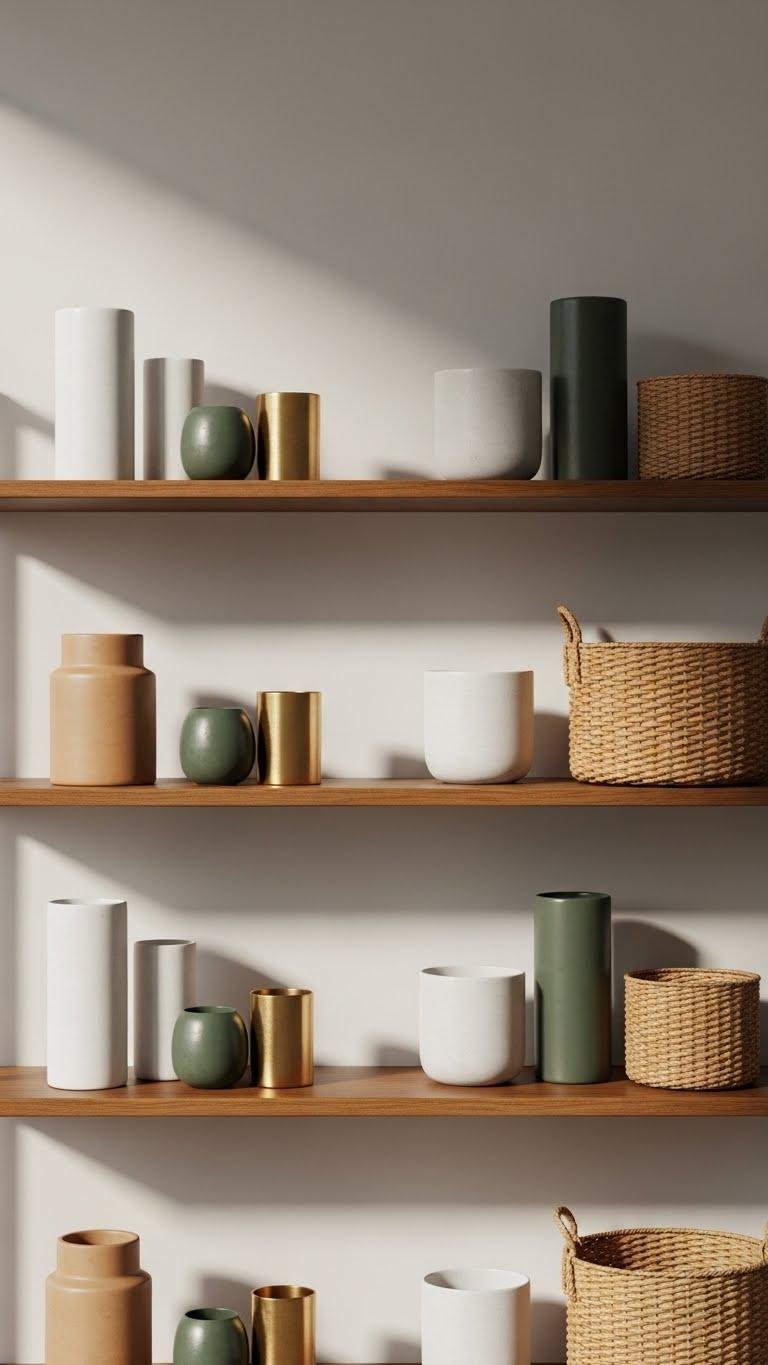
Because repeating objects draw the eye in patterns, give each repeat room to breathe so your shelf reads as intentional rather than cluttered.
You’ll use even spacing and alternating heights to create rhythm, letting texture and negative space sing. Arrange multiples with deliberate gaps, mix finishes, and step pieces up or down so the display feels curated, airy, and free rather than busy.
Use Color Blocks—Books or Objects Grouped by Hue
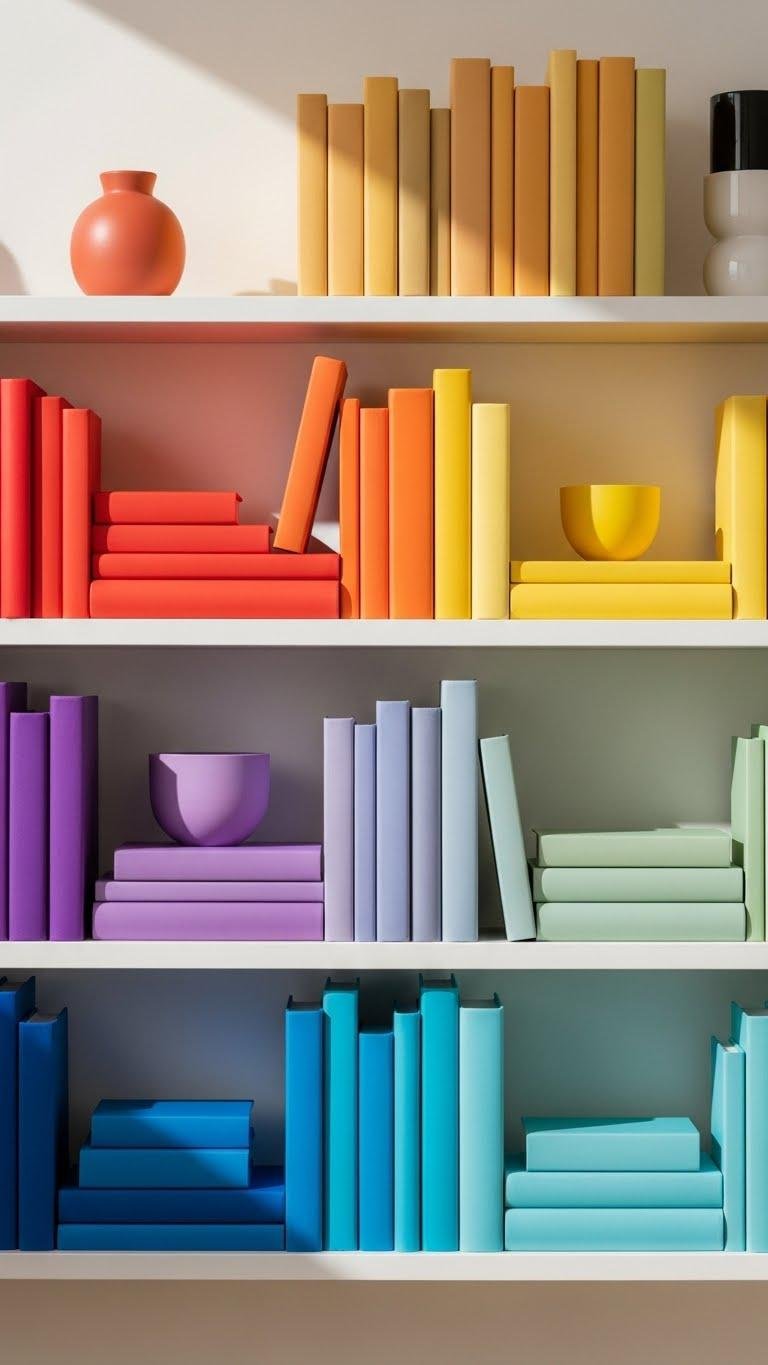
If you’ve left space between repeats to let shapes and textures breathe, use color blocks to add bold, organized impact. You’ll group books or objects by hue to craft curated color stories that feel intentional, not rigid.
Arrange hue gradients from deep to light, mixing matte and sheen for texture. This creates freedom within order, making each shelf feel deliberate and effortlessly balanced.
Let One Shelf Be Minimalist as a Visual Pause
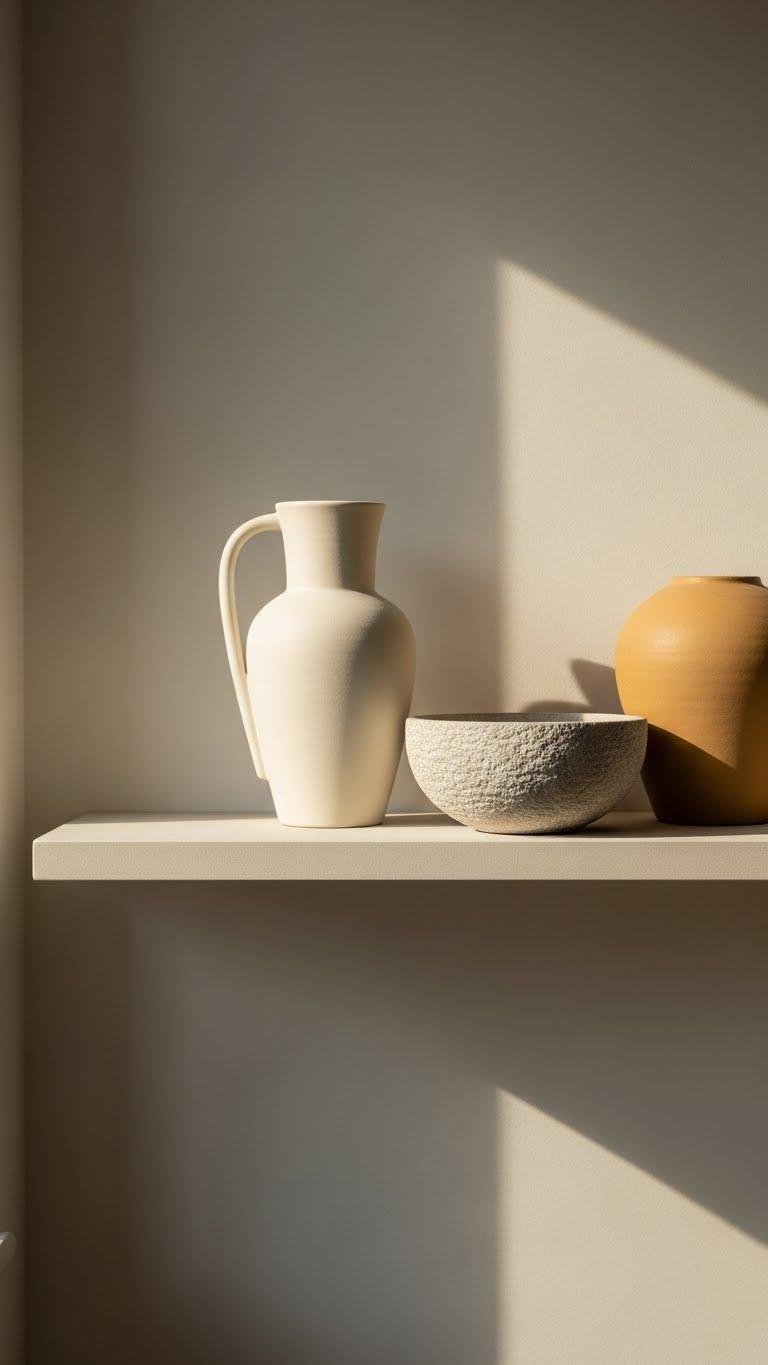
When you leave a single shelf deliberately sparse, it becomes a visual pause that lets the surrounding arrangements breathe and read as more intentional.
You’ll create a minimalist pause that feels curated, textured, and generous.
Choose one or two objects with sculptural lines, leave air around them, and enjoy the visual breathing that frees the room — confident, relaxed, and artful.
Position Heaviest Items Lower for Stability
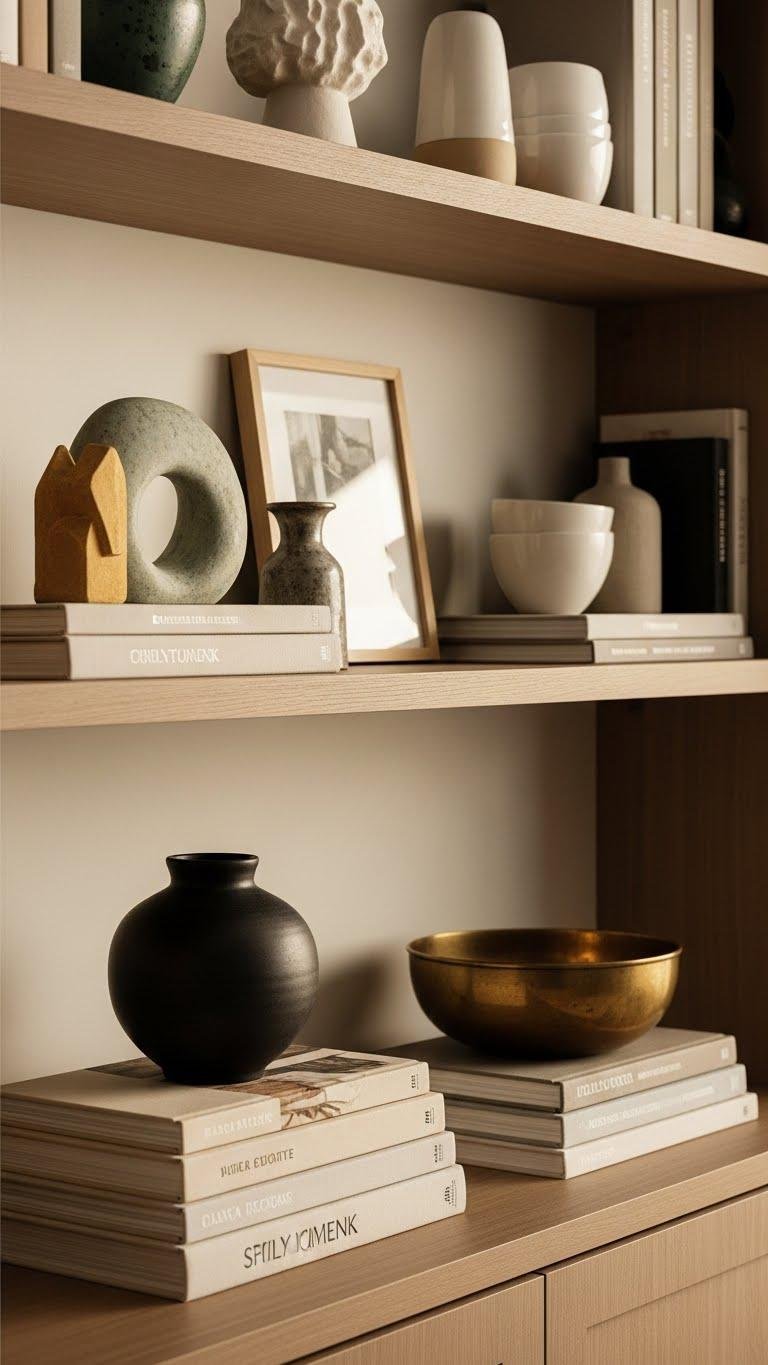
Though you might be tempted to crown a shelf with a showpiece, place your heaviest items lower so the whole vignette reads grounded and intentional.
You’ll create clear weight distribution, a curated line that feels effortless. Test arrangements with simple stability testing — nudges and eye-level checks — and adjust textures and heights so each shelf breathes, free and balanced without feeling rigid.
Adjust Groupings Until Each Shelf Reads as a Whole
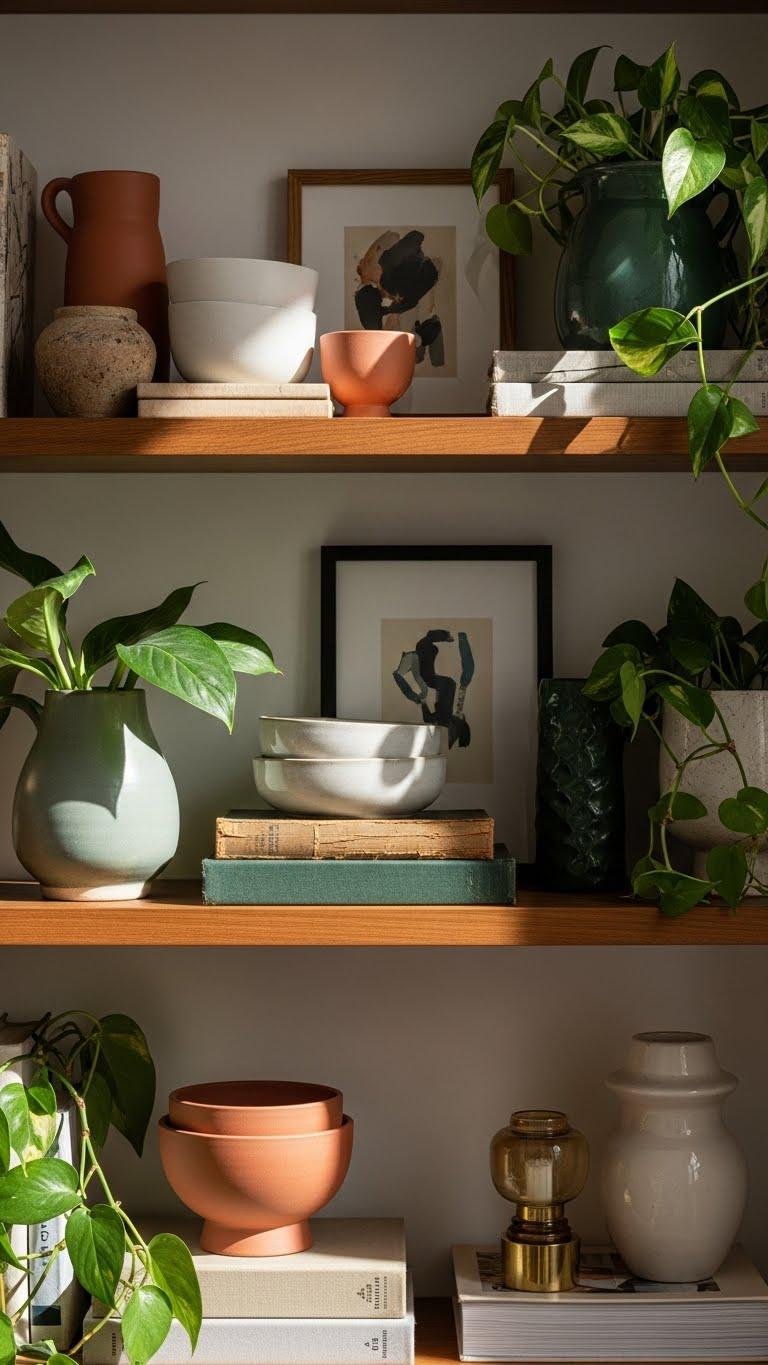
Because each shelf is its own vignette, step back and tweak groupings until they read as a single, balanced composition. You’ll adjust placement of objects, nudging books, plants, and art until textures and heights sing together. Assess symmetry without forcing it; aim for curated spontaneity. Trust your eye, edit boldly, and let each shelf feel composed yet free, layered, and inviting.