
You can change how a room feels without a full remodel by layering color, texture, and light in focused ways. Start with a warm accent wall or swap cabinet fronts for cane, then add rugs, bouclé seating, and sculptural lighting to build depth. Small hardware swaps and mirrors amplify impact, and textured ceilings or reclaimed wood bring character—keep going to see practical, room-by-room ways to apply each idea.
Repaint a Single Wall in a Warm, Saturated Hue
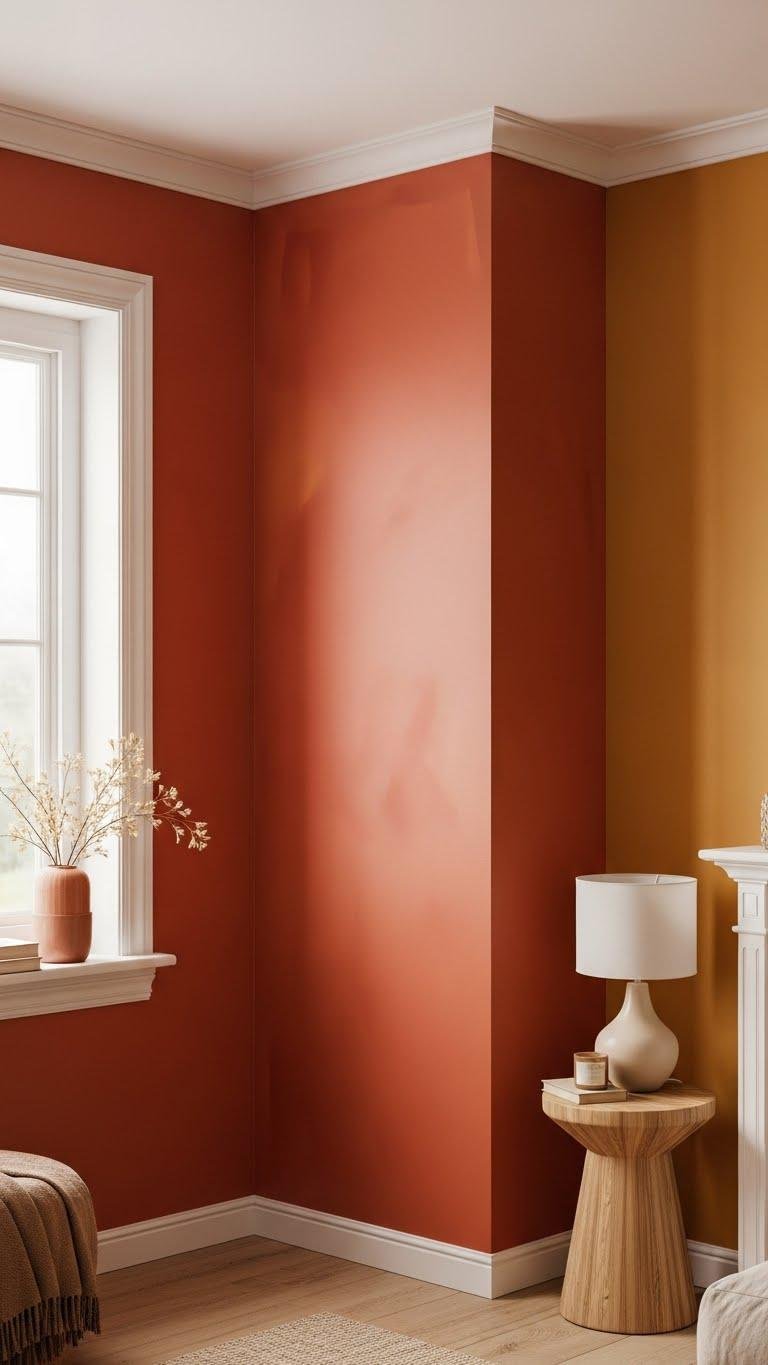
Pick a single wall and let it become the room’s focal point by repainting it in a warm, saturated hue like terracotta, mustard, or deep coral. You’ll balance a sunset gradient or layer moody jeweltones to create depth, painting carefully from trim to ceiling. Choose matte for intimacy or eggshell for light reflection, and let that single bold surface free the rest of your décor.
Layer Rugs to Define and Soften Zones
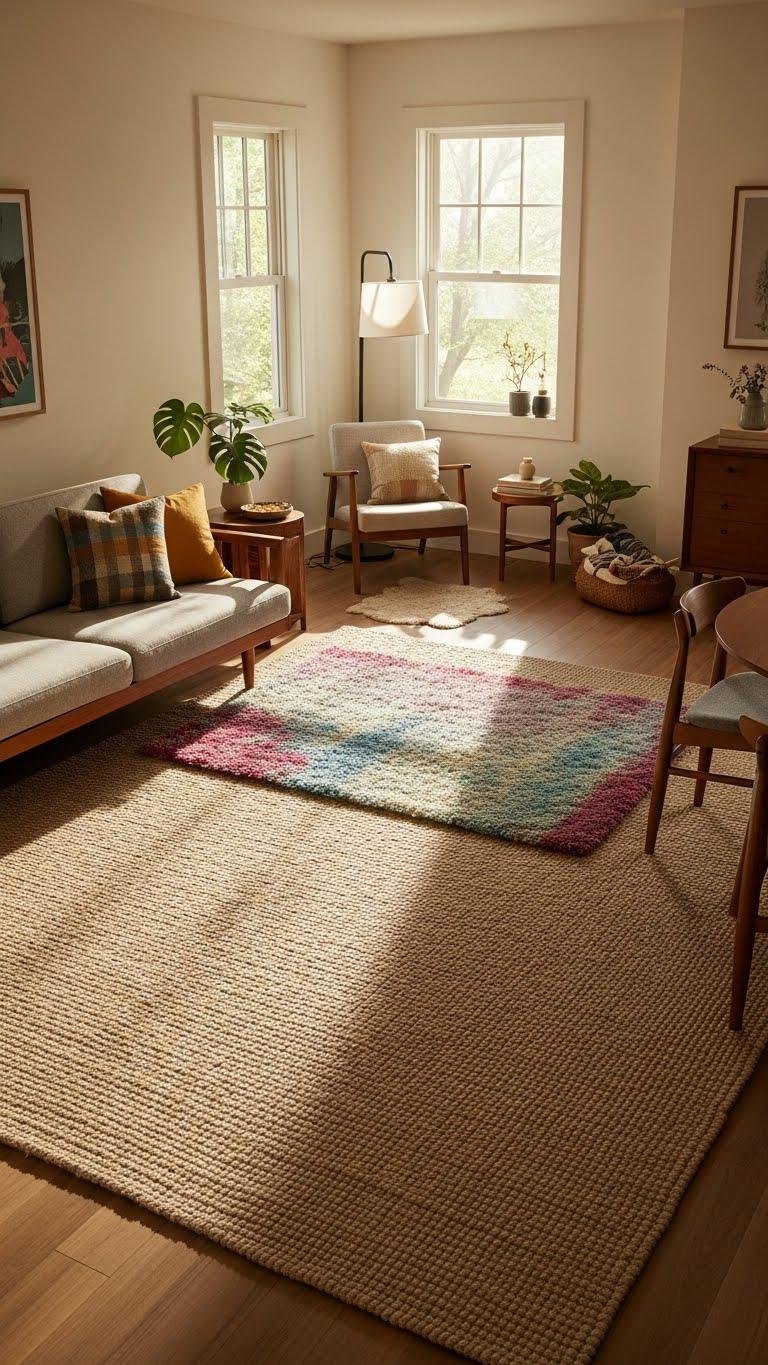
Often, you’ll start by anchoring a seating area with a large, neutral base rug and then add a smaller, patterned or textured rug on top to create contrast and define a more intimate zone. You’ll use textured layering and material contrast to soften traffic paths, mark dining or reading nooks, and add tactile freedom — think low-pile jute base with a plush, vibrant wool accent.
Swap in Warm-Metal Hardware and Fixtures

Usually, swapping in warm-metal hardware and fixtures instantly lifts a room’s palette by introducing subtle sheen and a cozy undertone you can feel as much as see. Choose brushed brass pulls, antique copper faucets, and coordinating light fittings to create layered warmth.
You’ll notice textures pop against linens and woods, and simple swaps let you express freedom through curated details without major renovations.
Introduce a Color‑Drenched Scheme Across One Room
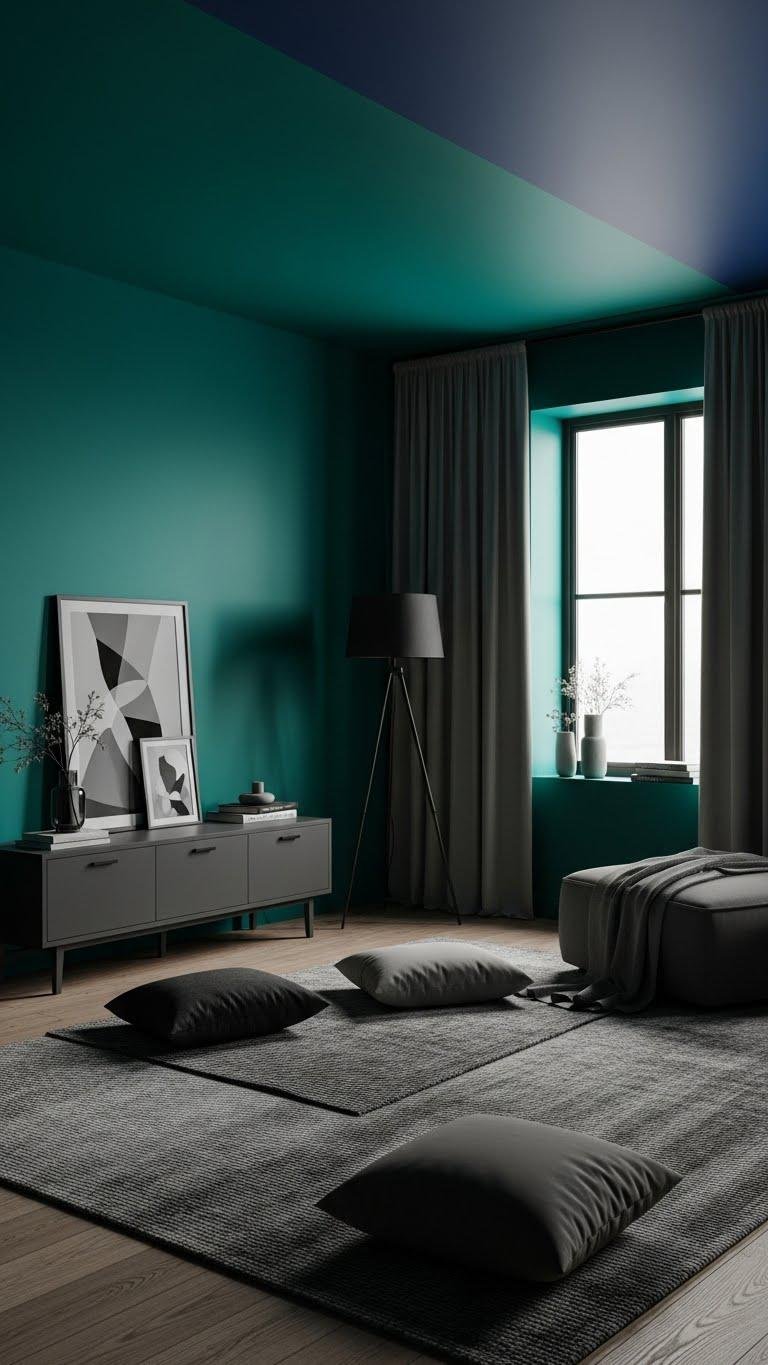
When you drench a single room in a confident color scheme, the space stops whispering and starts speaking—boldly, but with purpose.
You’ll choose saturated paint, coordinate monochrome textiles for depth, and layer matte and glossy finishes to catch light. Anchor furniture in restrained silhouettes, add an accented ceiling for vertical drama, and let curated accessories declare your freedom with deliberate confidence.
Add Textured Plaster or Wallpapered Ceilings
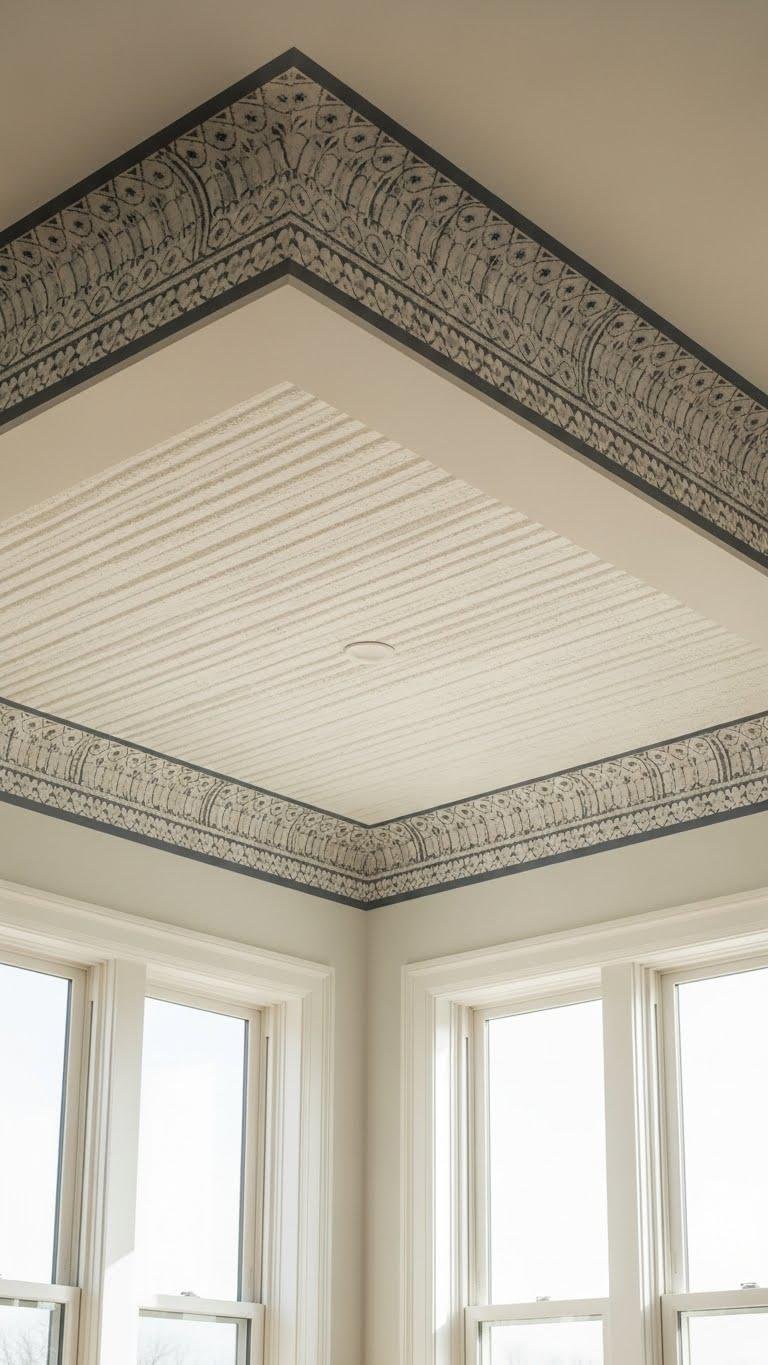
Texturing a ceiling with plaster or wallpaper turns an often-neglected surface into a defining element, so you should treat it like the fifth wall of the room.
You’ll choose textured ceilings to sculpt light and shadow, or apply wallpapered crowns for patterned drama along edges. Keep scale balanced, colors liberating, and installation precise so the ceiling feels intentional, bold, and freeing.
Install Decorative Wood Paneling or Beams

Moving from a sculpted or wallpapered ceiling to warm, tactile timber helps you carry that fifth-wall intent down into the room.
You’ll choose reclaimed beam installation for rustic honesty or precise geometric wood paneling for modern rhythm.
Position beams to frame sightlines, seal and finish to reveal grain, and balance pattern with open space so the room breathes and feels unfettered.
Use Large-Scale, Deep Accent Walls Sparingly

Although a deep, large-scale accent wall can anchor a room and deliver dramatic focus, you should use it sparingly so it doesn’t overpower furnishings or shrink the space. Choose a matte texture to absorb glare, limit coverage to a single plane, and balance with lighter surfaces. Position accent lighting to sculpt depth, highlight architectural lines, and keep the room feeling open and liberated.
Curate a Grouped Art Wall With Mixed Frames
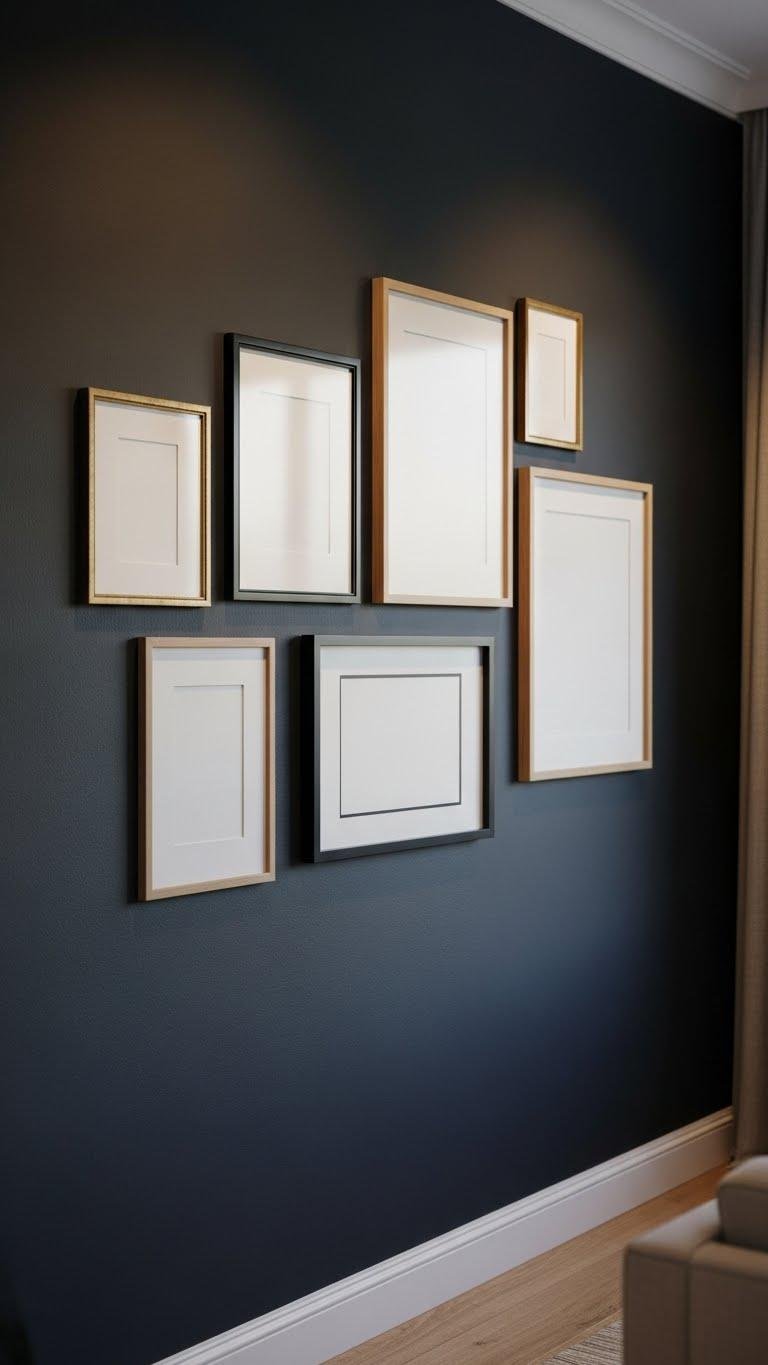
After anchoring a room with a single deep accent wall, you can add personality and rhythm by arranging a grouped art wall with mixed frames that complements rather than competes with that dark plane.
Use gallery templates to plan scale and negative space, vary frame finishes for texture, and map thoughtful lighting placement so each piece reads clearly. Trust proportion and breathe.
Bring in Rounded, Bulbous Seating for Comfort
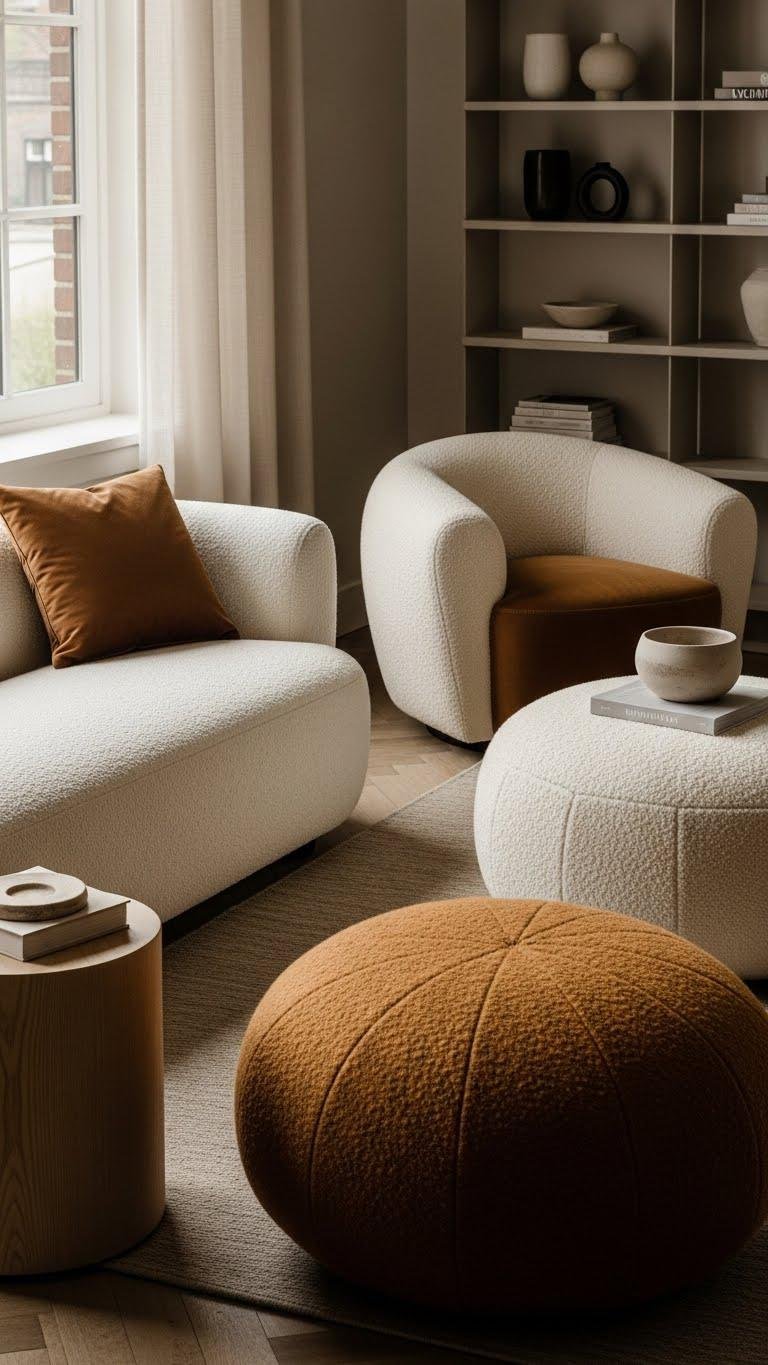
Often you’ll find that rounded, bulbous seating softens a room’s edges and invites lingering—think low, sculpted sofas, barrel chairs, and oversized poufs that read as furniture and art at once. You’ll choose bouffant ottomans and sculpted armchairs to create cozy clusters, balance angular shelving, and encourage relaxed conversation. Opt for tactile fabrics and restrained color to keep the effect liberated and deliberate.
Mix Natural Woven Materials for Organic Texture
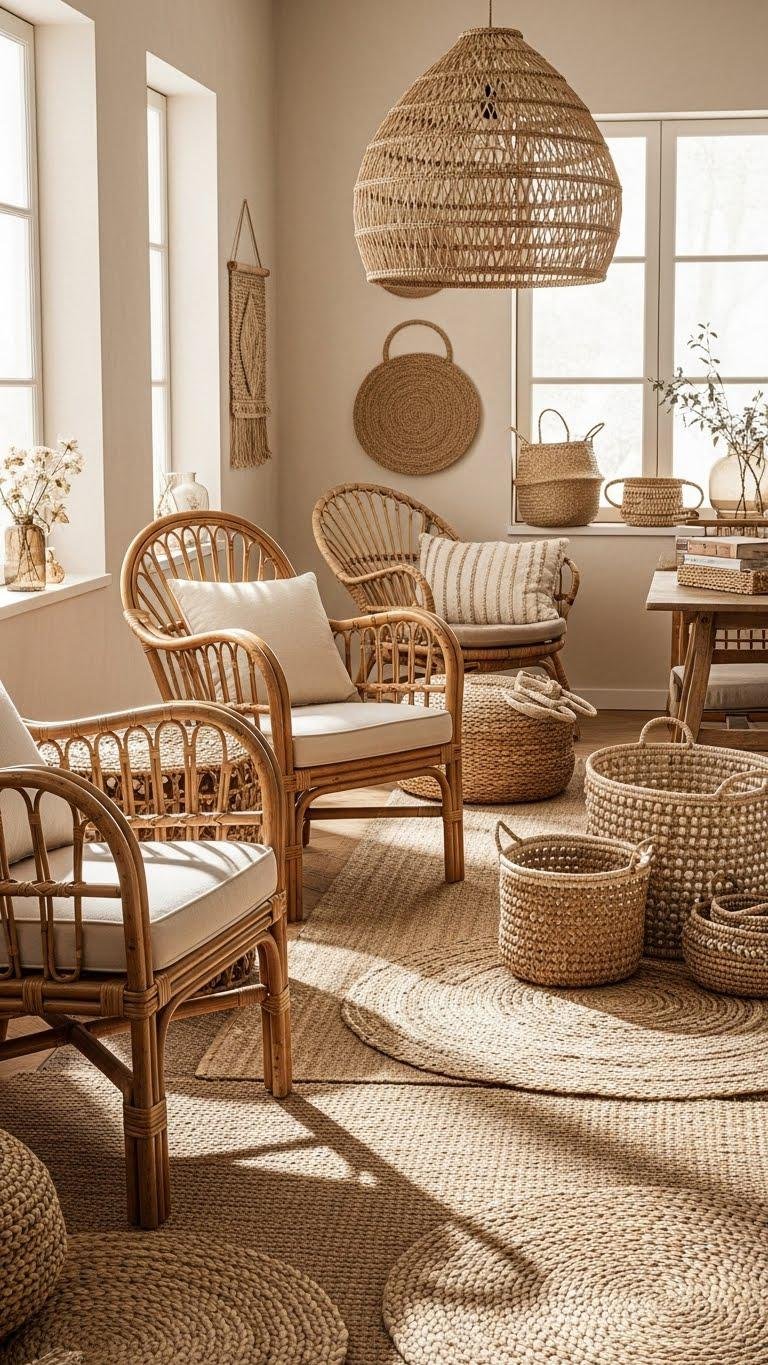
For a room that feels lived-in and layered, weave in natural materials—rattan, seagrass, jute, and hemp—so they read as intentional texture rather than afterthought.
Mix handwoven baskets, a sculptural seagrass pendant, and textured rugs to create rhythm. You’ll balance scale and tone, layer rough and refined weaves, and let light accentuate grain, keeping the space airy and unconfined.
Update Soft Furnishings in Trendy Earthy Tones

Bring those woven textures into the softer layers by swapping in cushions, throws, and upholstery in on-trend earthy hues—terracotta, clay, ochre, olive, and sunbaked taupe—to amplify warmth without overwhelming the room. You’ll choose earthy textiles with varied weave, natural linen, and terracotta leathers for contrast, balancing scale and patina so each piece feels lived-in, free, and intentionally curated.
Incorporate Warm Metallic Accents for Visual Richness

Contrast will give your room depth, so introduce warm metallics—brass, aged gold, and burnished copper—in measured touches to elevate the earthy palette without stealing the show. You’ll place brass highlights on shelving, light fixtures, and mirror frames, and let copper patina lend lived-in character to trays or vases.
Aim for restraint: a few strategic gleams refine texture and invite tactile exploration.
Replace Cabinet Fronts With Woven or Mesh Inserts
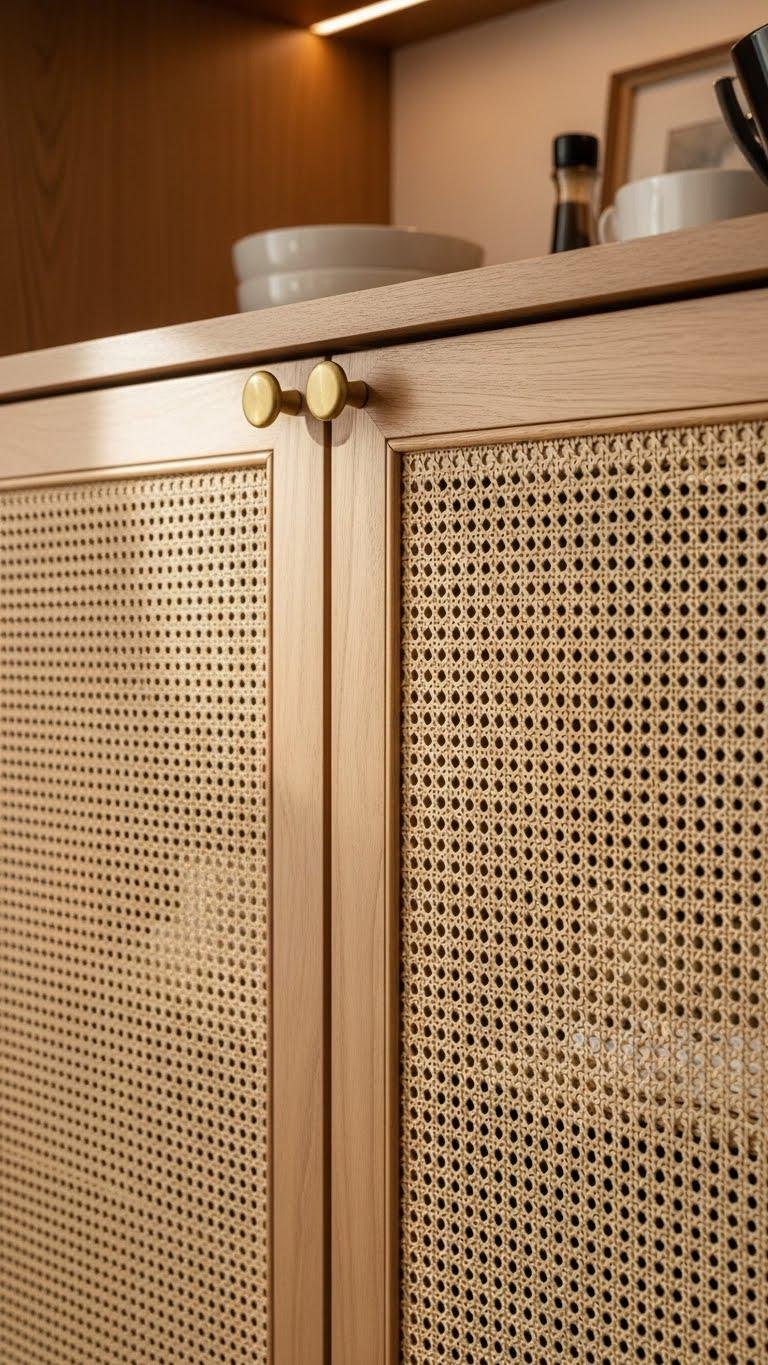
Swap solid cabinet fronts for woven or mesh inserts to introduce instant texture and breathability while keeping the silhouette clean.
You’ll pick woven cane for warmth and organic patterning or metal mesh for industrial crispness, balancing opacity and airflow.
Measure frame depths, secure proper backing, and choose finishes that let light and items show subtly — a practical, liberated detail that refines your space.
Layer Lighting With Dimmer Controls and Scenes
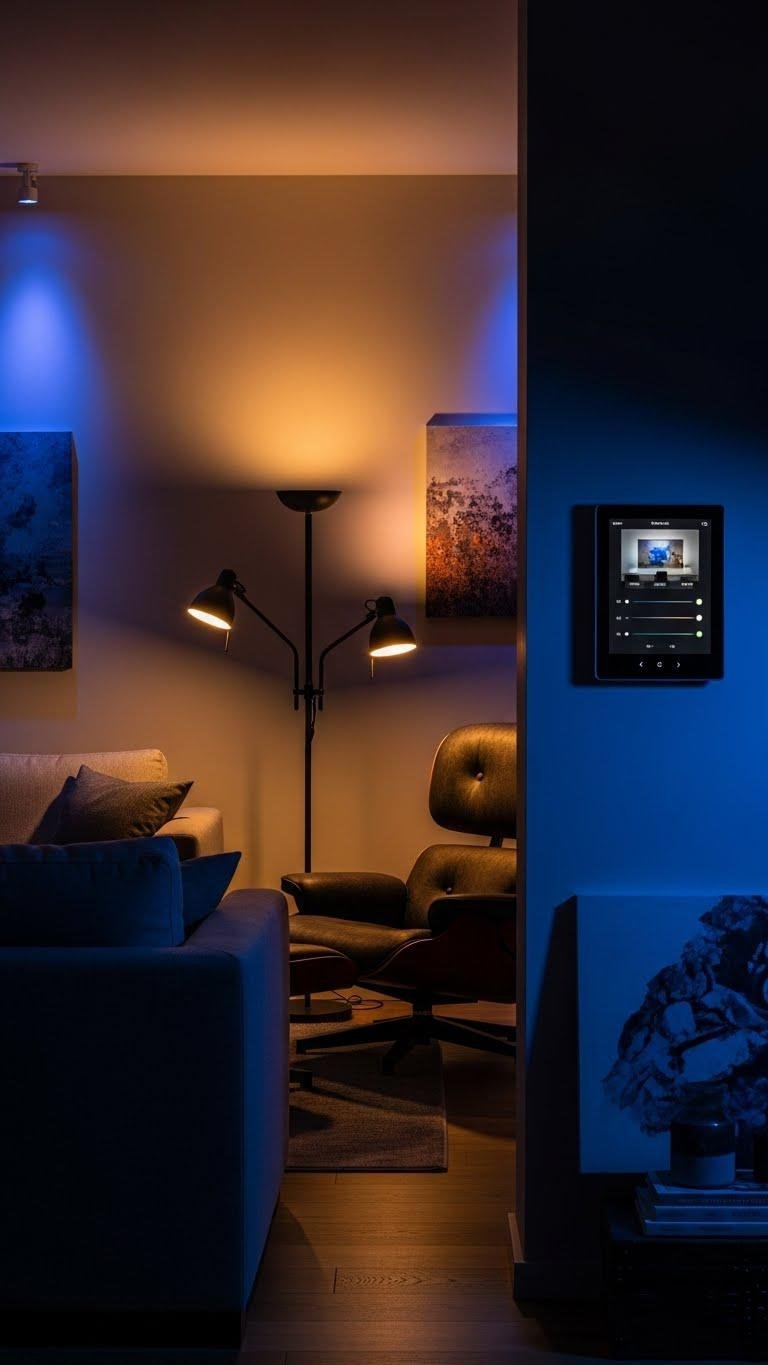
When you layer lighting with dimmer controls and preset scenes, you get precise control over mood and function so every part of a room reads the way you want it to.
You’ll combine ambient controls, task lamps, and accent spots to sculpt depth and focus. Use scene presets to shift instantly from bright work to relaxed lounging, freeing you to shape every moment.
Add Sculptural Statement Fixtures as Anchors

Anchor your room with a sculptural statement fixture that doubles as art and light, giving the space a clear visual focal point while setting the tone for the rest of your decor. Choose an oversized pendant to command a dining or living area, or pair a sculptural sconce with minimal furnishings. You’ll create freedom-filled, intentional spaces that feel both bold and balanced.
Use Mirrors to Amplify Light and Expand Sightlines
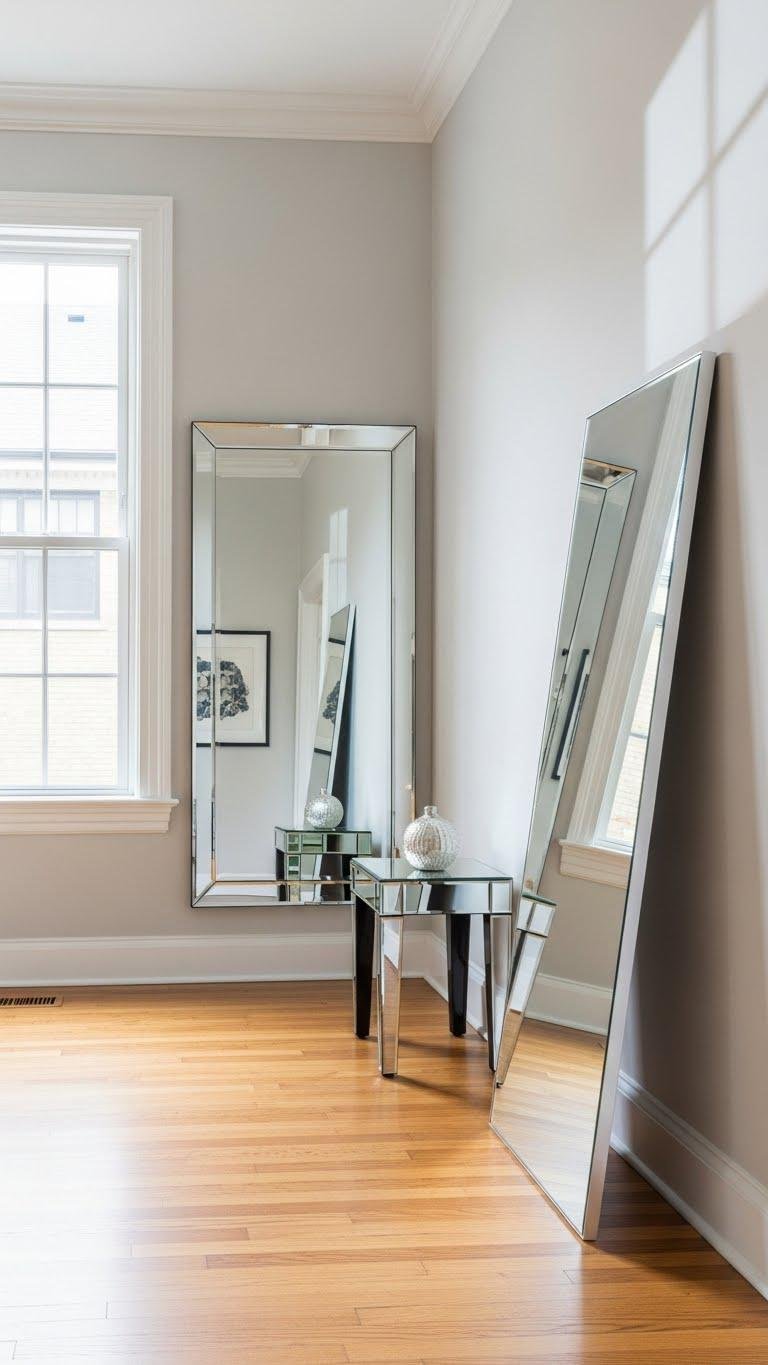
Bring mirrors into your layout to bounce light around and visually widen narrow or dark zones, letting a modest space feel airy and intentional. Position beveled mirrors opposite windows or art to create depth and framed reflections.
Lean a tall mirror to elongate sightlines, or add mirrored furniture sparingly for luminous accents. You’ll control light, scale, and mood with purposeful, liberating clarity.
Introduce Multifunctional Furniture for Flexibility

Think about folding a sofa into a guest bed or tucking a dining table into the wall — multifunctional furniture lets you switch room roles without clutter.
You’ll choose pieces that free movement and sightlines: foldaway desks that hide when work ends, modular ottomans that rearrange into seating or storage.
Prioritize clean lines, durable mechanisms, and finishes that feel effortless and liberating.
Arrange Seating to Prioritize Conversation
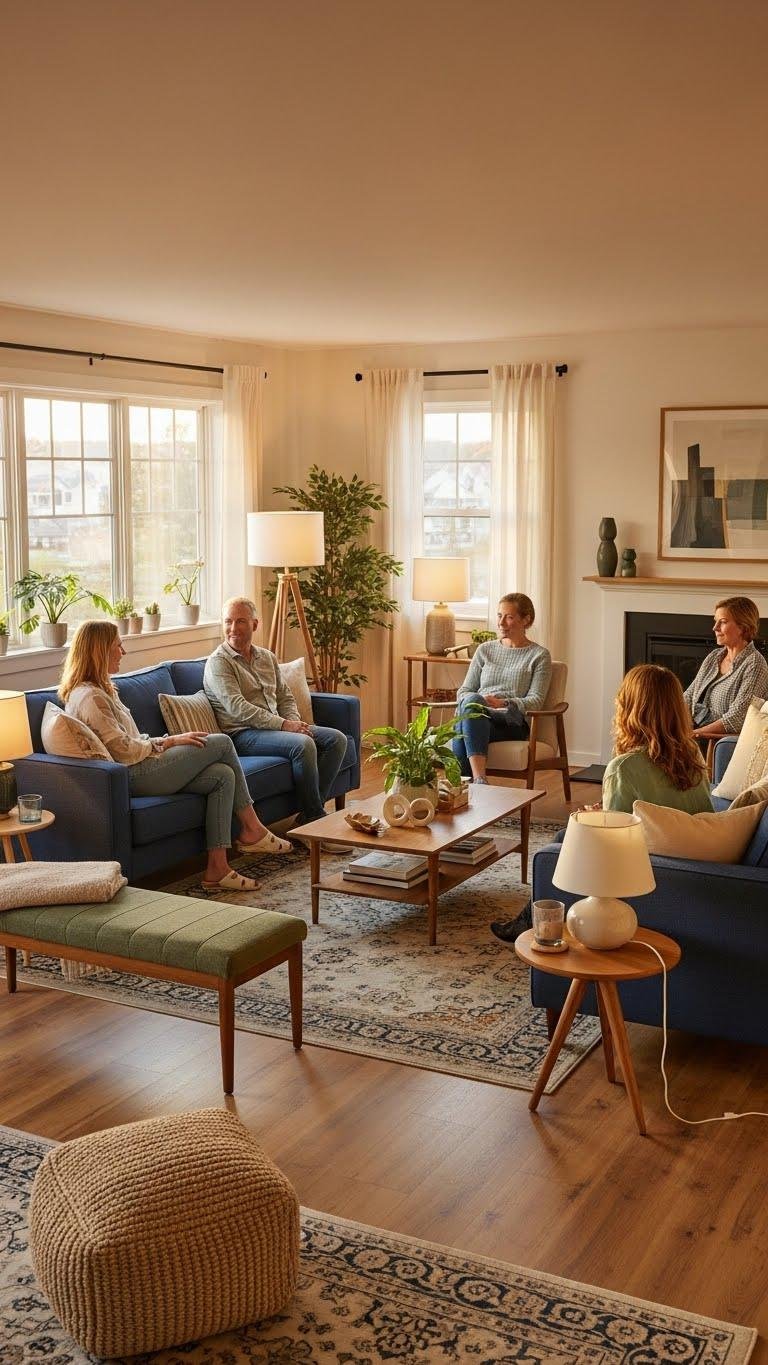
Set seating so people naturally face one another and conversations can flow—angle sofas and chairs toward a shared focal point, keep distances intimate (about 4–8 feet for small groups), and leave clear sightlines without forcing bodies to twist.
You’ll create conversation clusters using varied seating heights and mobile pieces, emphasizing face to face focalpoints so gatherings feel free, intentional, and effortlessly connected.
Add Plush Throws and Pillows for Instant Coziness

Drape a few plush throws and pile on pillows to instantly soften a room and invite people to linger; the right textures and scale make a space feel deliberately cozy rather than cluttered.
You’ll choose textured throws for tactile interest and mix seasonal pillows to refresh mood. Arrange by color, scale, and drape so seating reads as relaxed, intentional, and ready for spontaneous comfort.
Integrate Arched Mirrors and Scalloped Silhouettes

When you introduce arched mirrors and scalloped silhouettes, you soften hard lines and add an architectural, almost sculptural rhythm to a room; the curves catch light and guide the eye, creating pockets of calm among angular furniture.
Choose an arched mirror to reflect a focal view, pair scalloped silhouettes in upholstery or wall trim, and let flowing shapes free the space.
Bring in Curated Vintage or Vintage‑Inspired Pieces

Mix-and-match curation is the quickest way to give a room depth and personality: bring in a few well-chosen vintage or vintage‑inspired pieces—a patinated brass lamp, a mid‑century sideboard with tapered legs, or a boucle ottoman with a hint of age—to anchor your scheme.
Hunt smartly via antique sourcing, inspect joinery, embrace subtle wear, and consider patina restoration to preserve character.
Use Plants and Greenery to Soften and Freshen Spaces
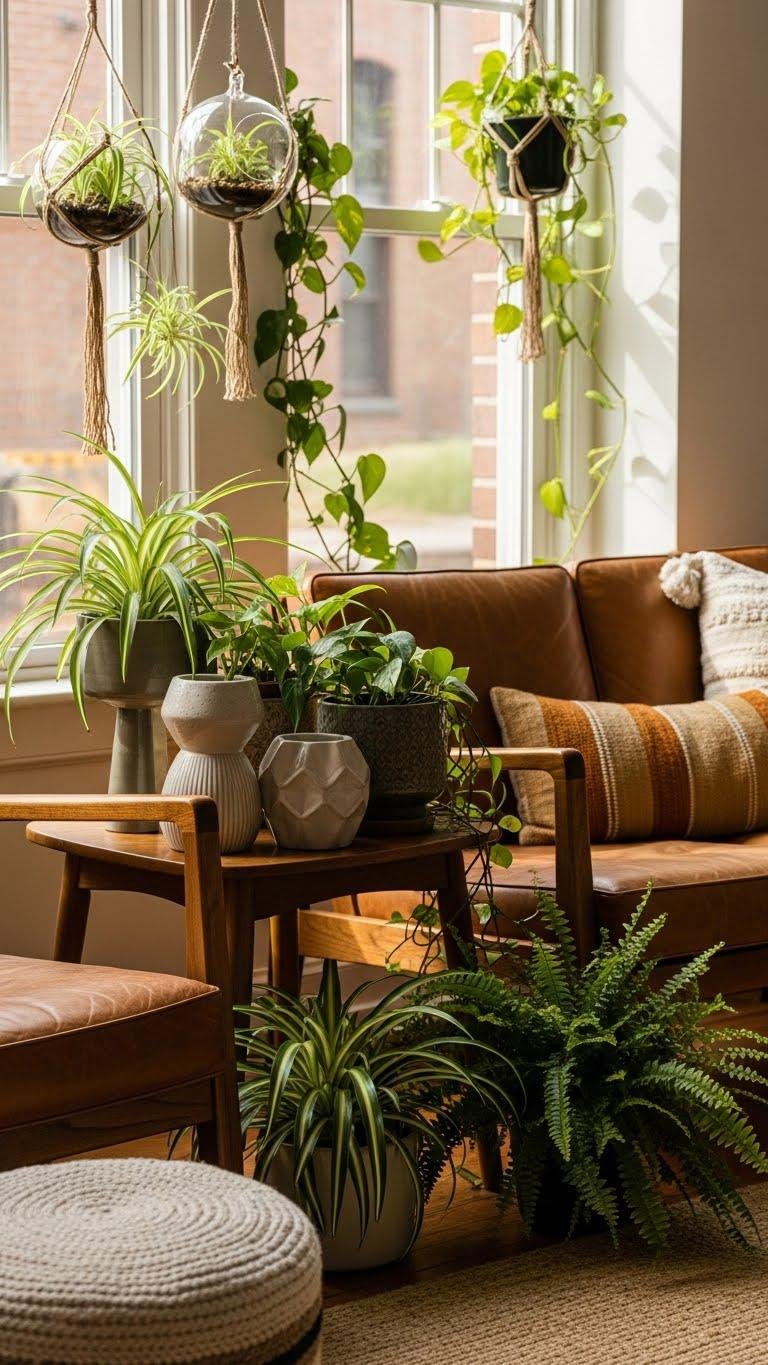
Those collected vintage pieces look grounded and tactile, but adding plants will lift the room and introduce life and movement. You’ll place hanging terrariums near windows, cluster sculptural potted specimens, and choose pet friendly greenery like spider plants and Boston ferns.
Vary heights, textures, and containers to soften hard edges, improve airiness, and give your space a liberated, curated calm.
Swap Lampshades and Small Accessories Seasonally
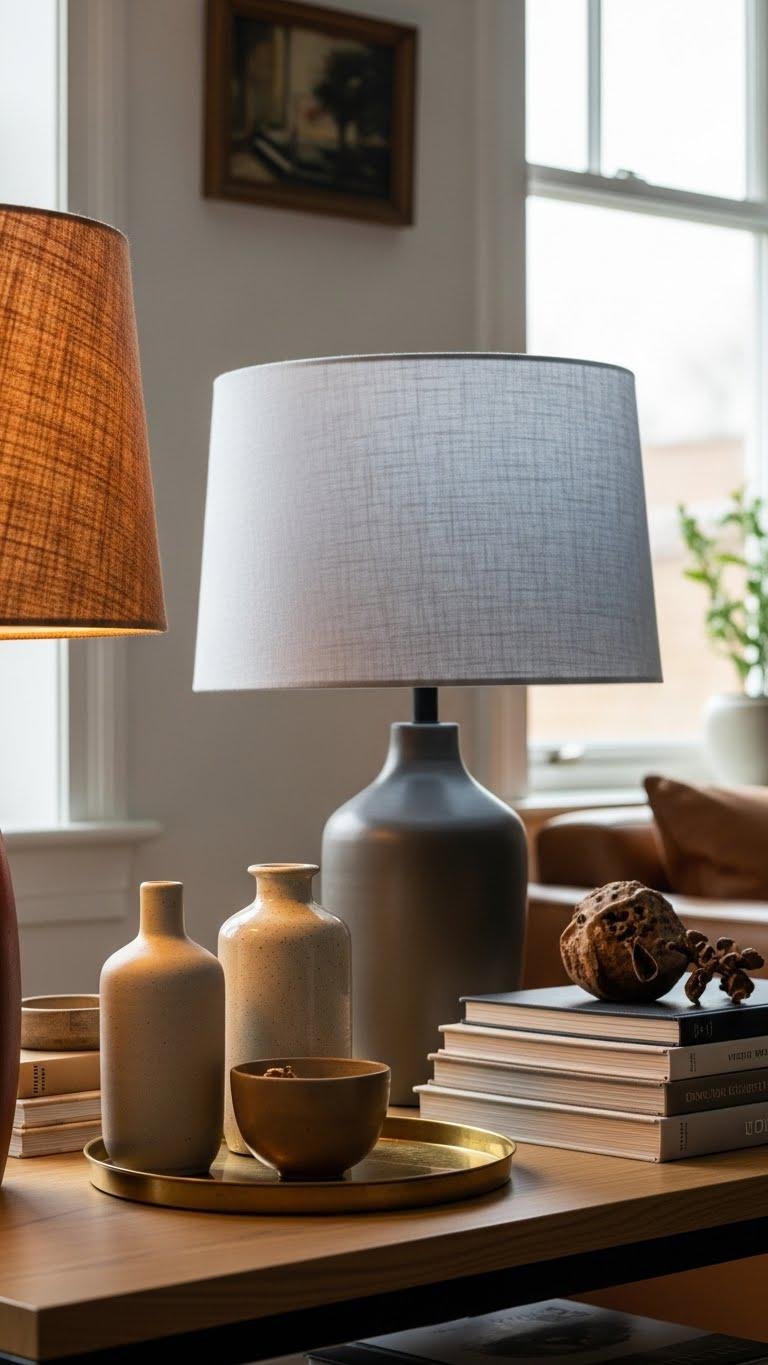
Regularly swapping lampshades and small accessories is an easy, high-impact way to refresh a room’s mood without a full redesign. You’ll choose seasonal lampshades that shift color, texture, and translucency to control warmth and shadow.
Practice an intentional accessory rotation: group pieces by material and scale, swap tabletop objects, and let light and tactile details evolve so your space feels liberated and current.
Apply Layered Patterns at Different Scales
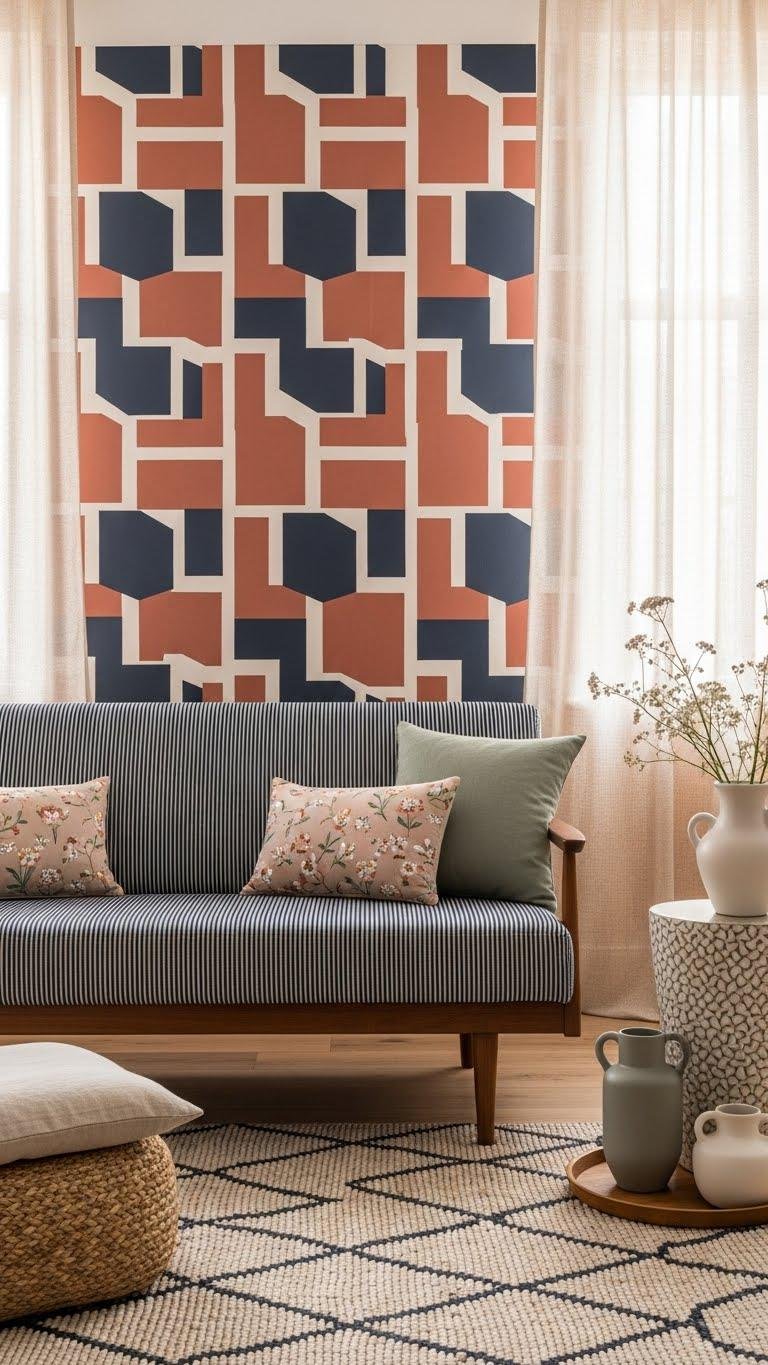
When you layer patterns at different scales, you create depth and rhythm that draw the eye without overwhelming the room.
You’ll balance bold geometrics with fine stripes or tiny florals, using scale contrast to anchor focal points.
Embrace confident print mixing—limit your palette, repeat a color, vary texture, and place patterns deliberately so each piece breathes and the space feels liberating.
Introduce Subtle Nature‑Inspired Motifs

Although you might think grand botanicals are the safest route, subtle nature‑inspired motifs bring a quieter, more sophisticated energy to a room: delicate leaf outlines on linen cushions, tiny twig-like etchings in ceramic vases, or a soft watercolor of moss tones on a throw can imply the outdoors without shouting. You’ll favor botanical prints with restrained leaf silhouettes, mineral textures on ceramics, and sparse twig accents for liberated, calm interiors.
Use Warm‑Color‑Temperature Bulbs Throughout
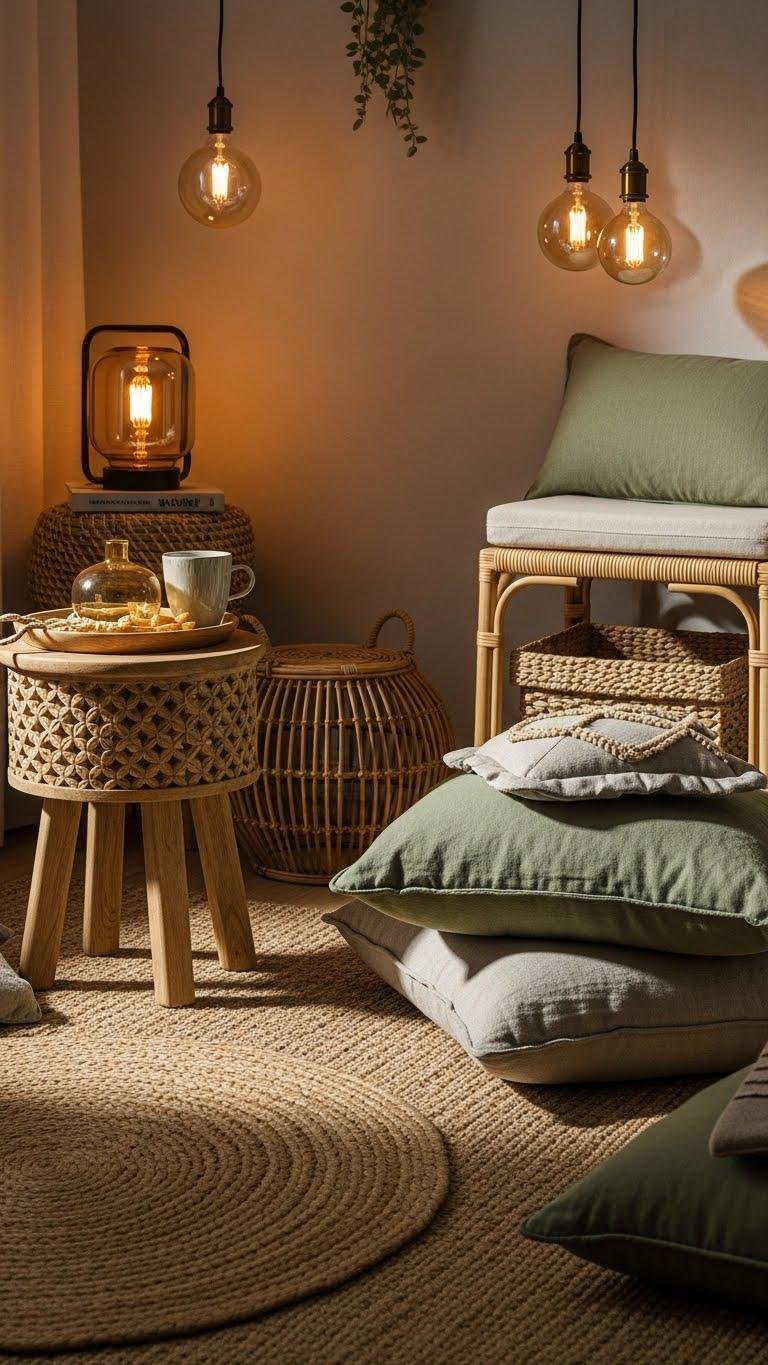
Soft, nature-inspired motifs read best under light that flatters their textures, so swap cool, clinical bulbs for warm-color-temperature ones to preserve those calm, earthy tones.
You’ll choose soft incandescent alternatives or warm LED equivalents, layer dimmable fixtures, and add amber filters where needed to tame glare. This lets you control mood, highlight grain and weave, and keep spaces feeling open and liberated.
Add Small Mixed‑Material Details for Depth

Introduce subtle contrasts by mixing small elements—think a brass candle snuffer beside a woven coaster or a matte ceramic vase resting on a reclaimed-wood tray—to give your room visual texture and layered interest. You’ll layer mixed material trims on pillows, lamps and frames, and tuck brass inlay accents into shelves or boxes. Keep scale small, repeat materials, and let tactile details define freedom-filled spaces.
Paint Trim or Architectural Details in a Contrasting Tone
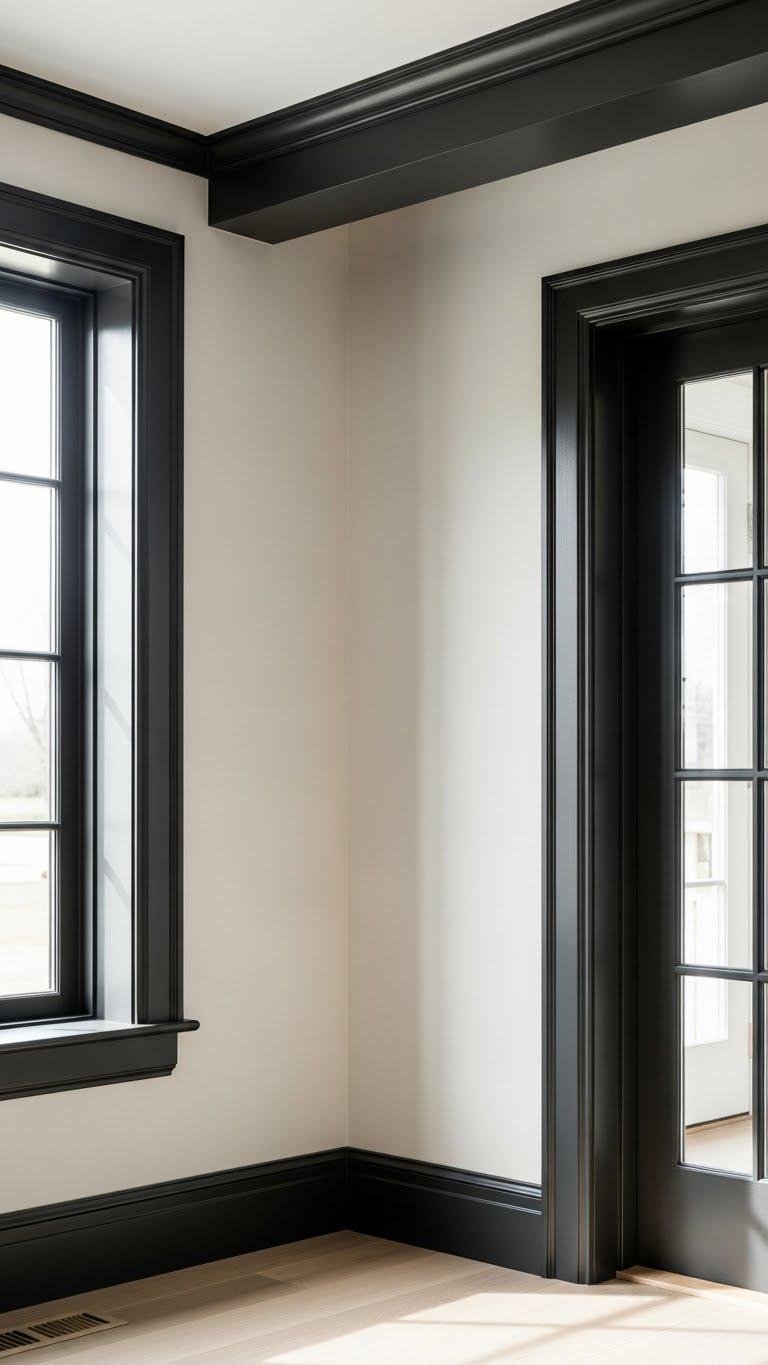
When you paint trim or architectural details in a contrasting tone, you’ll define the room’s bones and bring deliberate depth without changing the footprint—think baseboards, window casings, door frames, or a dropped ceiling beam rendered in a color that punctuates the walls.
Choose bold trim to create crisp edges; leverage tonal contrast to guide sightlines, emphasize proportions, and let rooms feel intentionally free and composed.
Rezone Spaces With Rugs and Furniture Placement
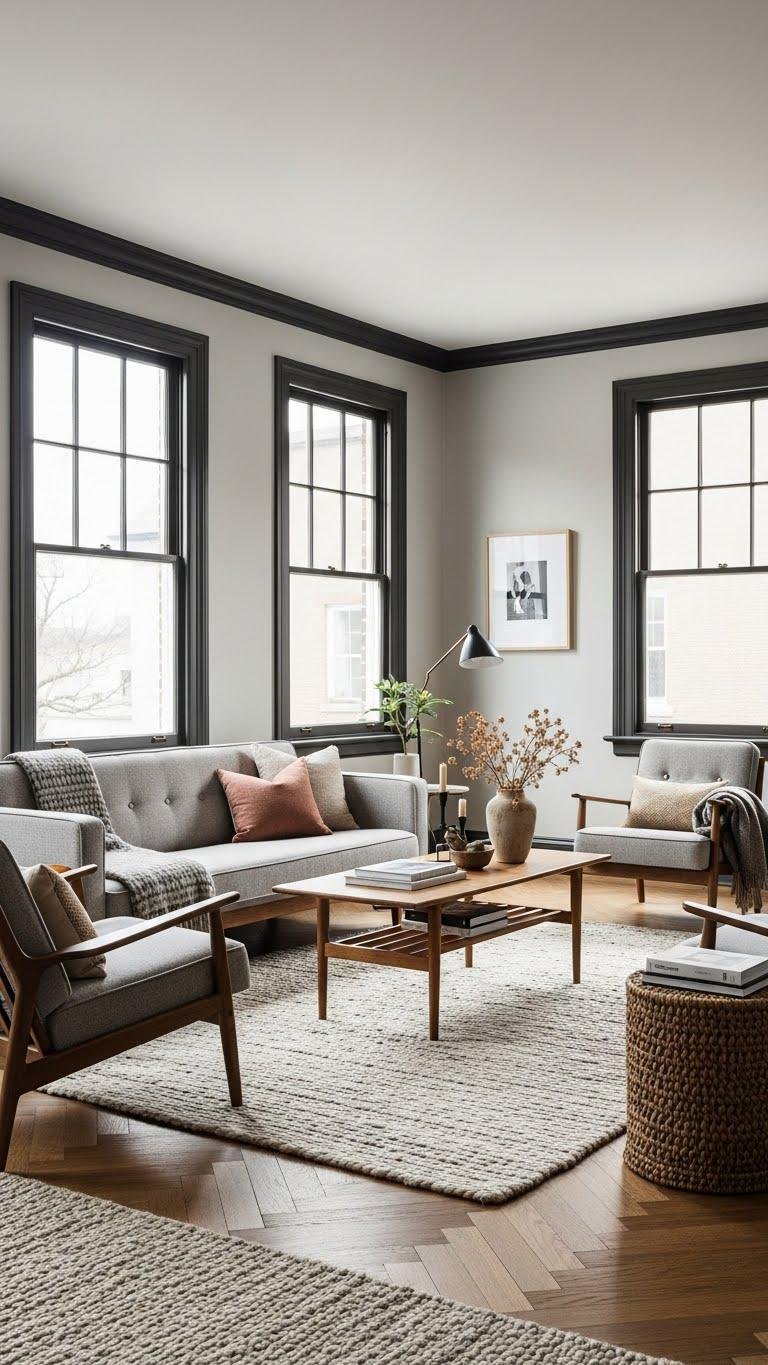
After you’ve used contrasting trim to define a room’s edges, use rugs and furniture placement to map functional zones within those newly emphasized boundaries.
You’ll orient seating around visual anchors like a coffee table or rug, preserve clear traffic flow, and layer textures to suggest activity areas. Move pieces freely, keep pathways open, and let the arrangement invite exploration and relaxed control.