
You’ll find that timeless elegance starts with a few calm choices: warm materials, restrained color, and well‑chosen details that age gracefully. Think chocolate leather, walnut accents, deep navy or soft taupe walls, and a mix of linen, velvet, and woven rugs for texture. I’ll show how to layer these elements, balance negative space, and add curated focal pieces so each room feels quietly refined — and ready to evolve with you.
Embrace Chocolate Brown as a Signature Hue
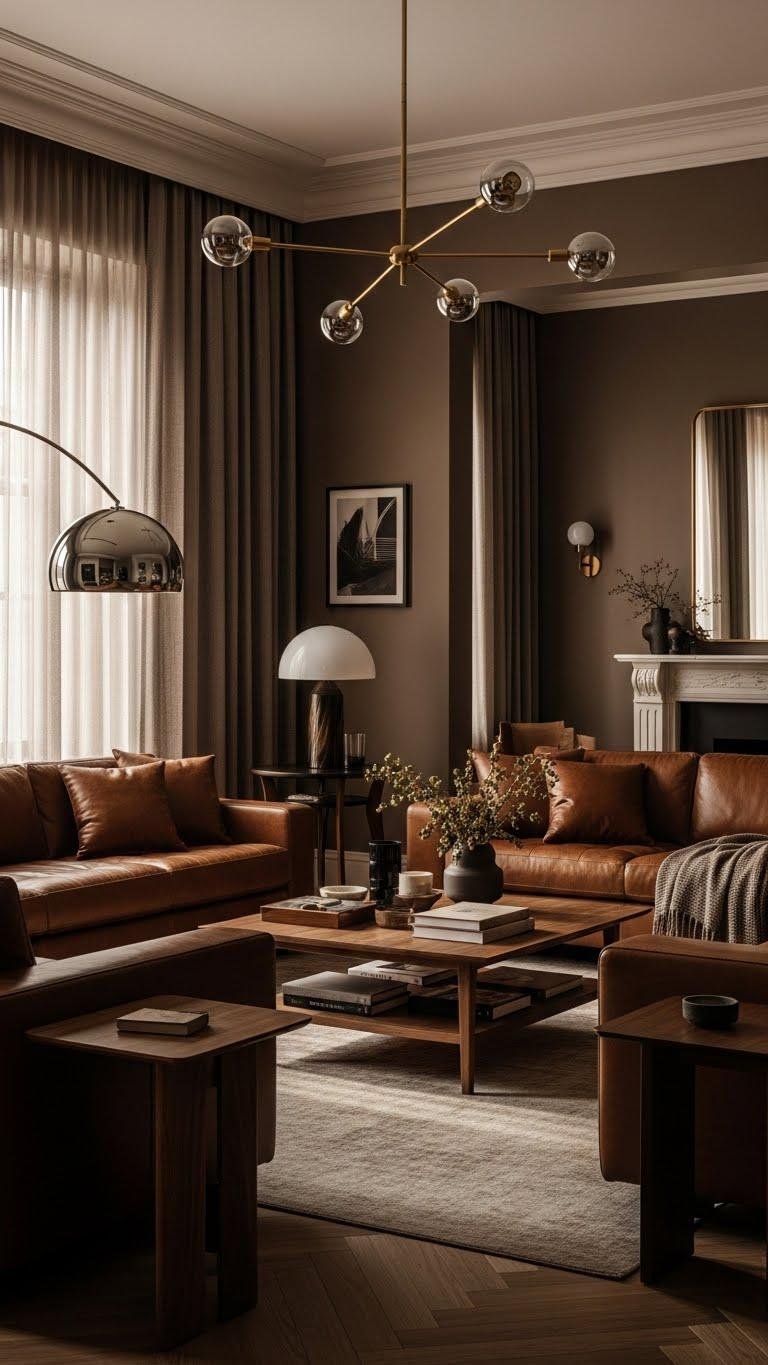
When you choose chocolate brown as your signature hue, you anchor a room with warmth and timeless sophistication.
You’ll pair Belgian leather seating with walnut accents to craft a liberated, refined space. Let rich tones define structure while light textiles and metallic fixtures keep things open. You’ll balance depth and freedom, creating an elegant interior that feels both grounded and effortlessly mobile.
Use Blue as a Neutral Backdrop
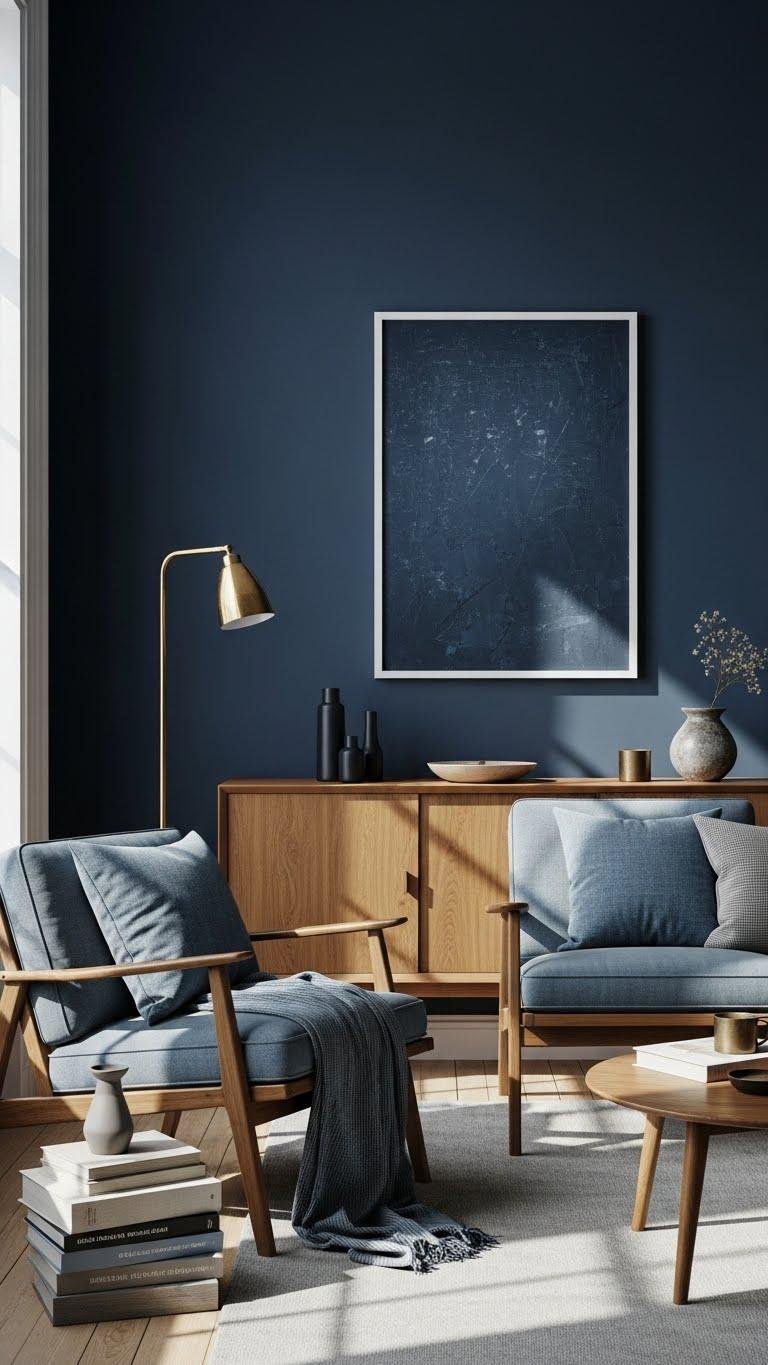
Against a blue backdrop, your room instantly gains a calm, flexible foundation that reads like a neutral rather than a statement color.
Embrace a navy backdrop for depth and pair with lighter denim neutrals to create airy contrast.
You’ll mix textures—linen, wood, brass—to keep things warm and liberated, letting furniture and art define mood without shouting for attention.
Create a Color-Drenched Room in Varying Shades
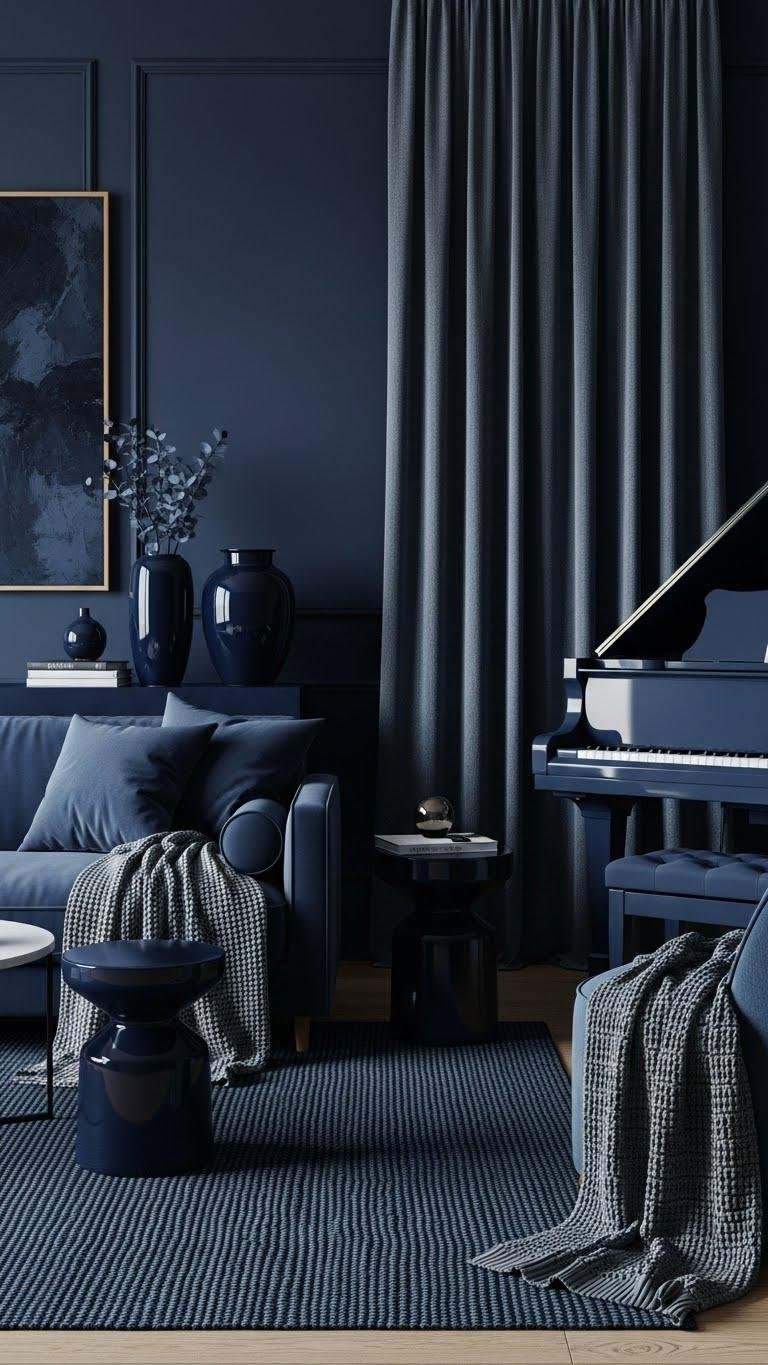
If you loved the calm confidence of a navy backdrop, try pushing the idea further by embracing a color-drenched scheme that layers one hue in multiple tones. You’ll explore monochrome layering with deliberate contrasts — matte walls, glossy accents, varied textiles — and rely on tonal saturation to create depth. Trust your instinct, balance intensity with negative space, and let the room feel unabashedly free.
Keep a Classic Black-and-White Foundation
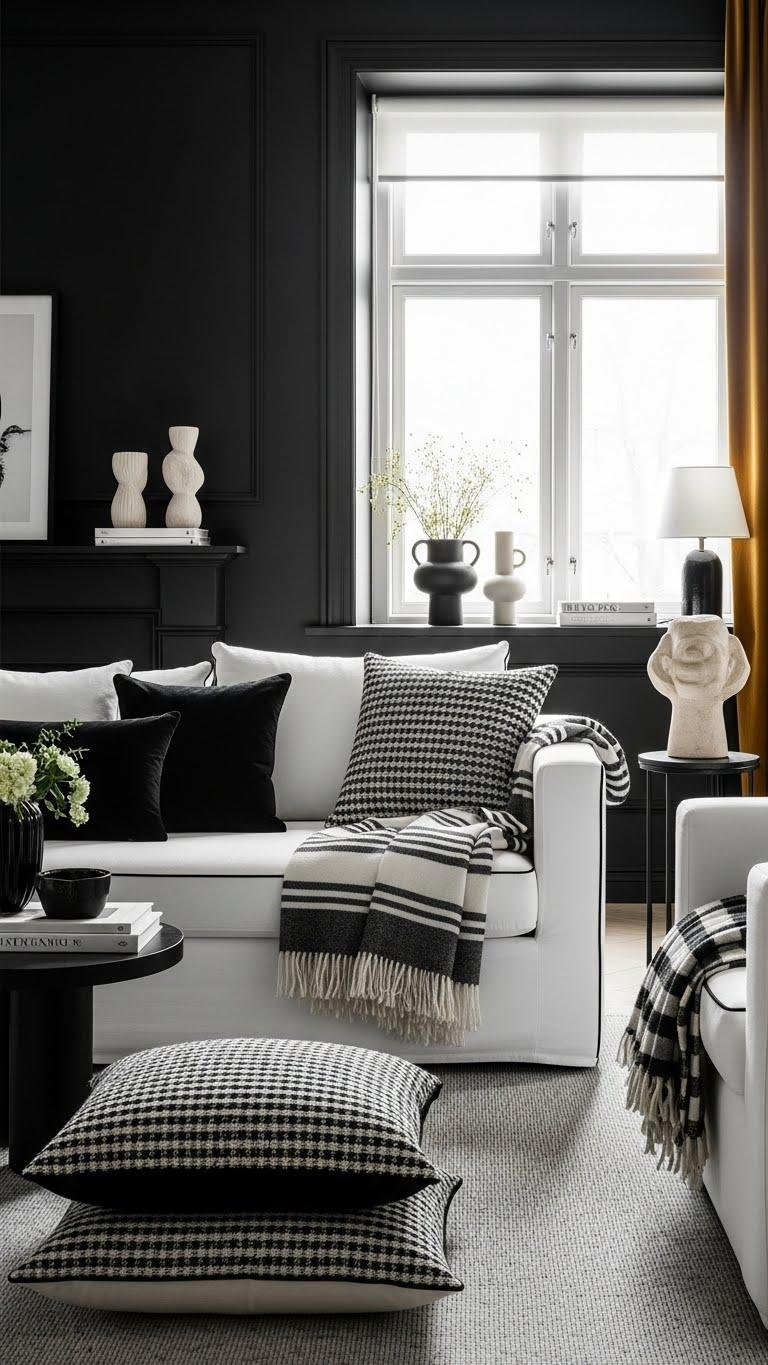
While a color-drenched room celebrates depth and drama, a black-and-white foundation gives you a timeless, adaptable canvas you can build on.
You’ll layer monochrome textiles, vary textures, and use contrast trims to define edges without clutter. This approach frees you to switch accent colors seasonally, mix eras confidently, and keep interiors serene, focused, and effortlessly stylish.
Introduce Art Deco Geometric Accents
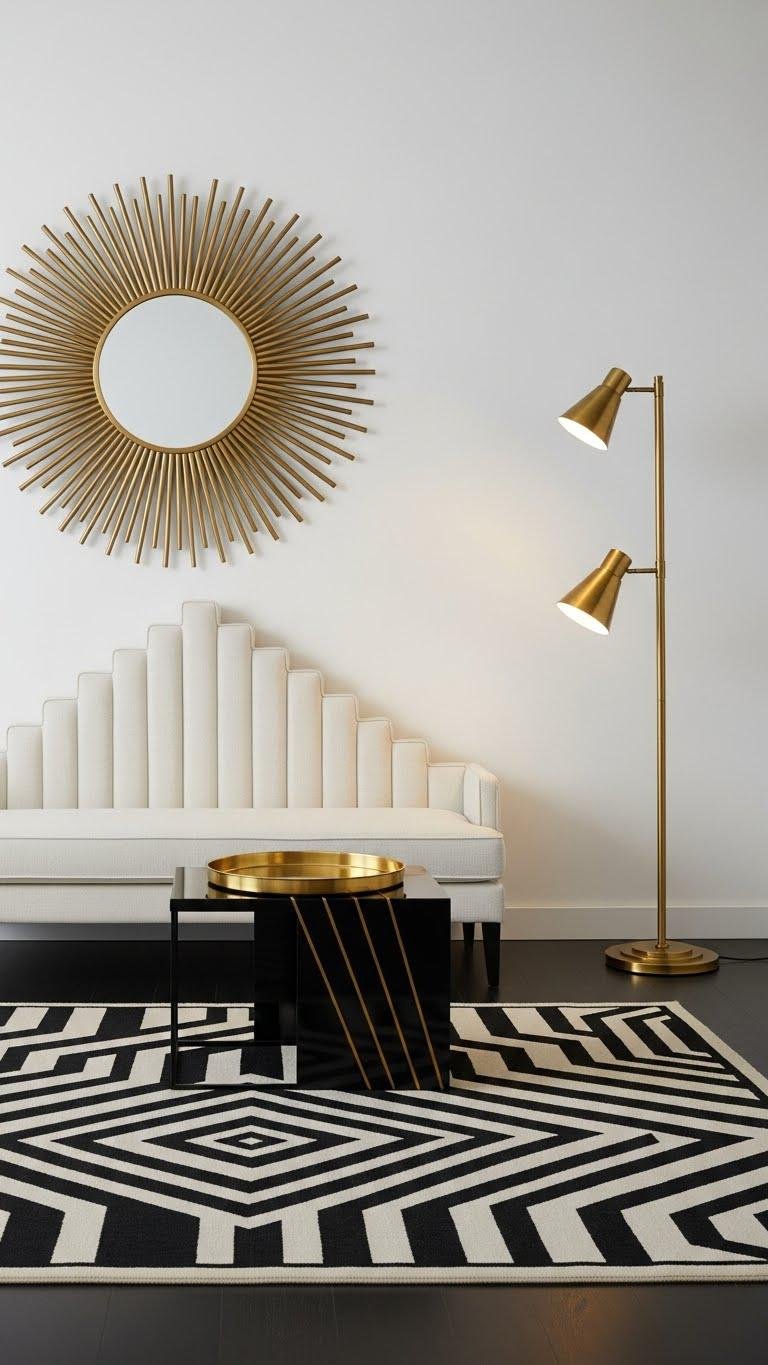
Because geometry was central to Art Deco’s glamour, introducing its bold lines and stepped forms will give your black-and-white foundation instant polish and period confidence.
Embrace geometric brass fixtures, mirrors and trays to punctuate spaces without clutter. Let stepped motifs guide rugs, headboards and lighting, pairing restraint with confident ornament. You’ll create rooms that feel liberated, refined and unmistakably poised.
Mix Bauhaus Minimalism With Vintage Pieces
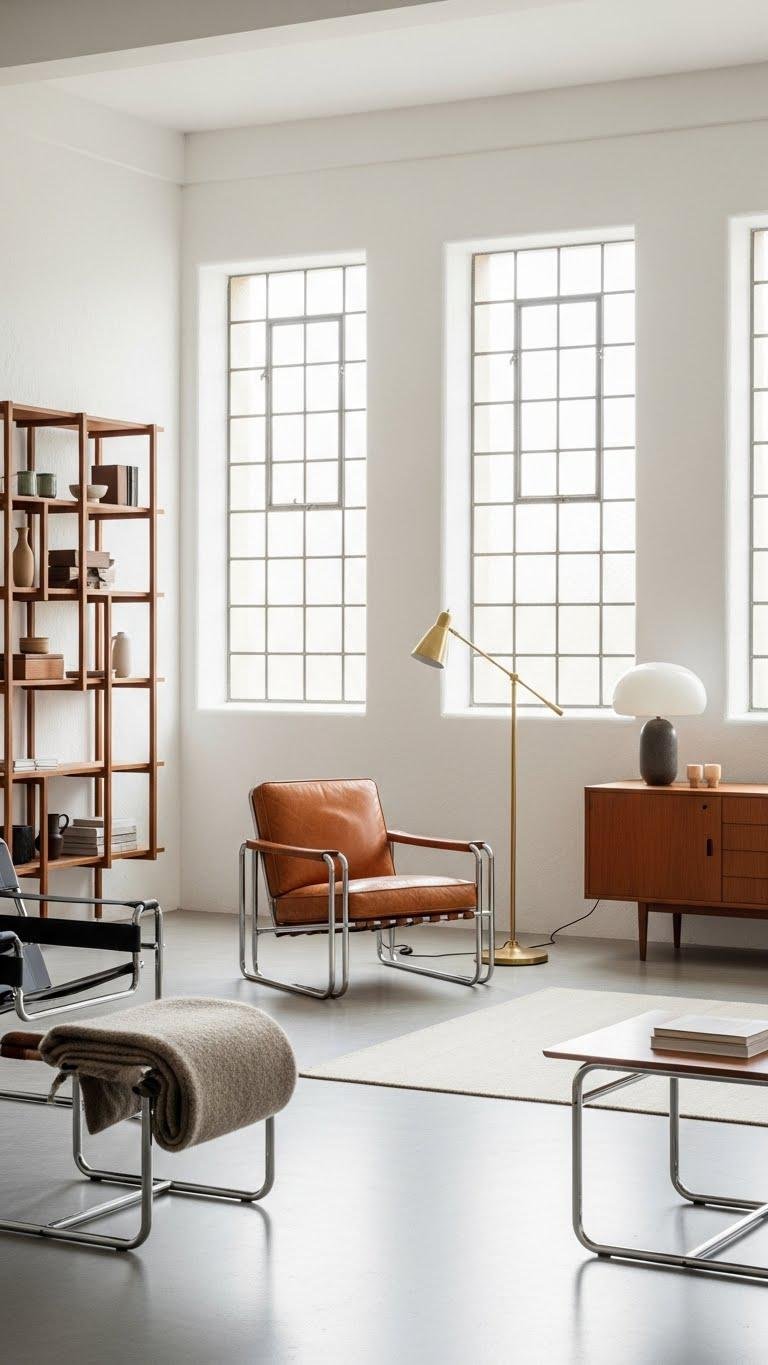
Although minimalism champions restraint, you can enliven a Bauhaus-inspired scheme by inserting a few carefully chosen vintage pieces that add character without clutter.
You’ll balance clean Bauhaus silhouettes with items showing Vintage patina, selecting Functional art that serves daily life.
Choose Timeless textures—leather, brass, wool—to keep freedom in your space while preserving clarity, restraint, and enduring style.
Curate Vintage and Retro Finds

Having paired Bauhaus minimalism with a few well-chosen vintage pieces, you can now focus on curating finds that feel intentional rather than collected by chance. Embrace flea market sourcing, seek pieces with character, and practice patina preservation to honor age.
Mix vinyl records and midcentury lamps sparingly to add warmth and rhythm, letting each object offer utility and narrative without clutter.
Display Persian or Turkish Handwoven Rugs
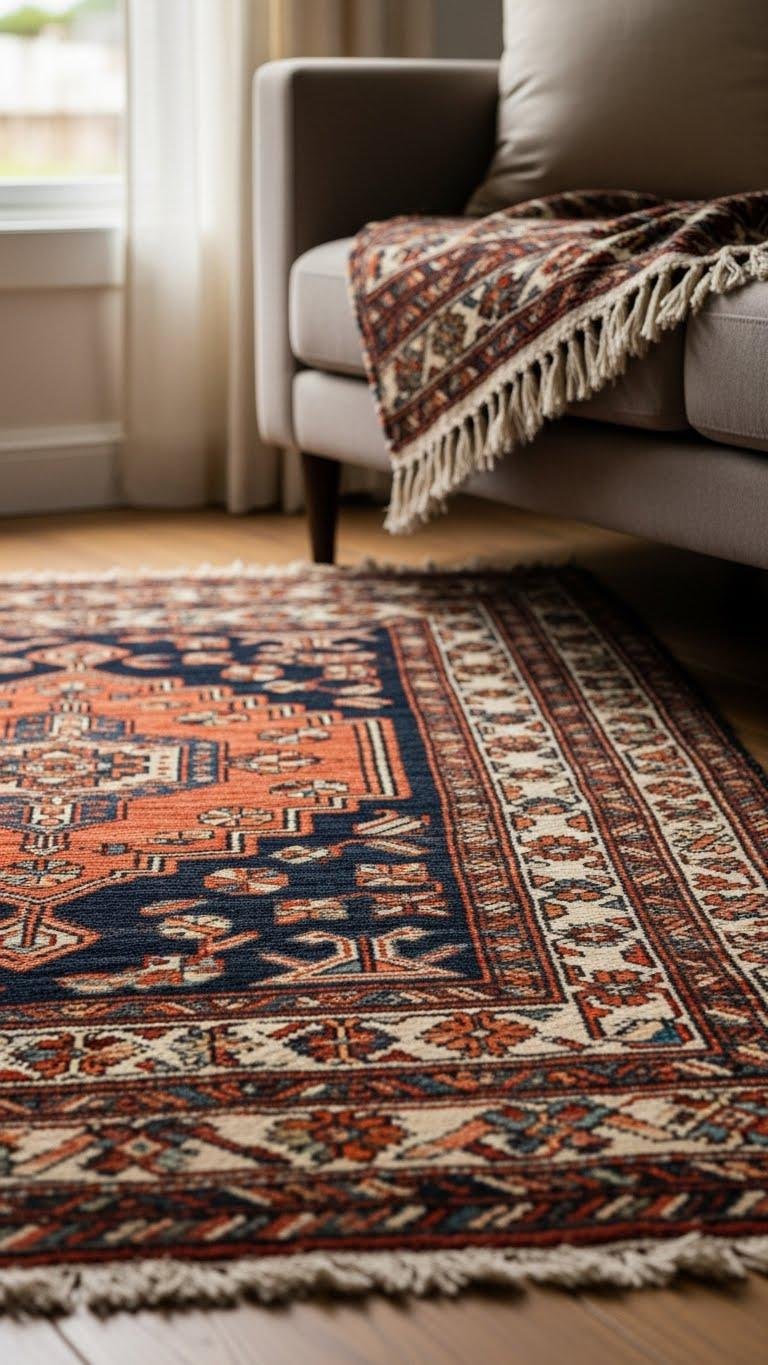
On a wall, over a sofa, or layered on the floor, a Persian or Turkish handwoven rug becomes both art and anchor—its weave, dyes, and motifs telling a cultural story while defining a room’s scale and palette.
You’ll honor provenance by sourcing pieces from an antique loom, choose natural dyes, invest in pile restoration, and finish with careful tassel trimming to keep the look liberated and refined.
Incorporate Chinoiserie Wallpaper or Scenic Murals

With a sweeping panel of Chinoiserie wallpaper or a hand-painted scenic mural, you can turn a plain wall into an immersive stage that sets mood, scale, and period without cluttering the room.
Choose chinoiserie motifs for refined storytelling or broad scenic murals to expand sightlines. You’ll balance bold pattern with spare furnishings, creating a liberated, elegant space that reads as deliberate, not fussy.
Add Textured Walls and Decorative Plaster
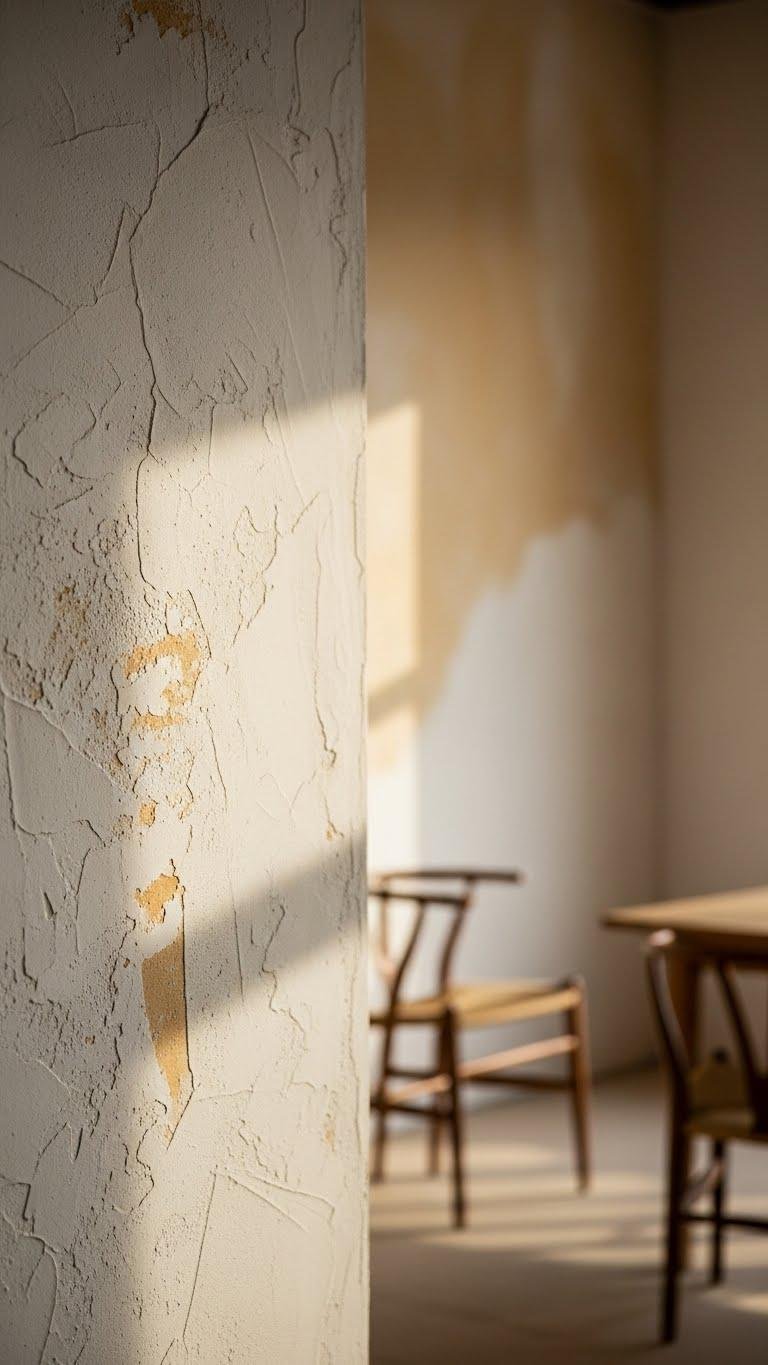
If you want to give a room quiet depth, textured walls and decorative plaster do it better than another coat of paint. Choose textured plaster and tactile finishes to create visual interest without shouting.
Limewash walls offer breathable color and a soft, lived-in look. You’ll appreciate the subtle patina that evolves over time, giving each space calm character and effortless freedom.
Use Wood Paneling for Depth and Warmth
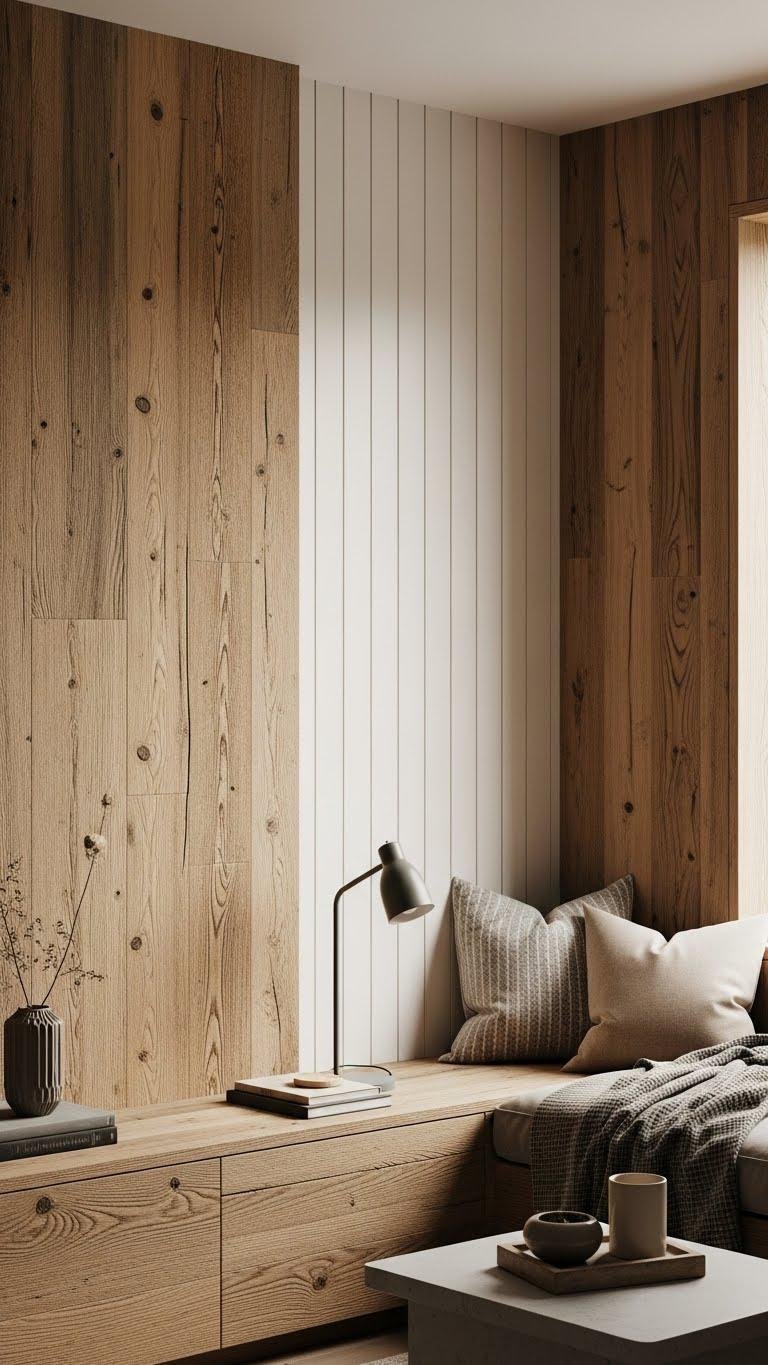
Wood paneling brings instant depth and warmth to a room, turning flat surfaces into tactile backdrops that feel both timeless and intentional.
Choose reclaimed timber for character or clean vertical shiplap for modern rhythm. You’ll anchor seating areas, define nooks, or clad an accent wall without overcommitting. Finish lightly to keep grain visible, and let the wood set a calm, liberated tone throughout your space.
Layer Rich Fabrics Like Bouclé and Velvet
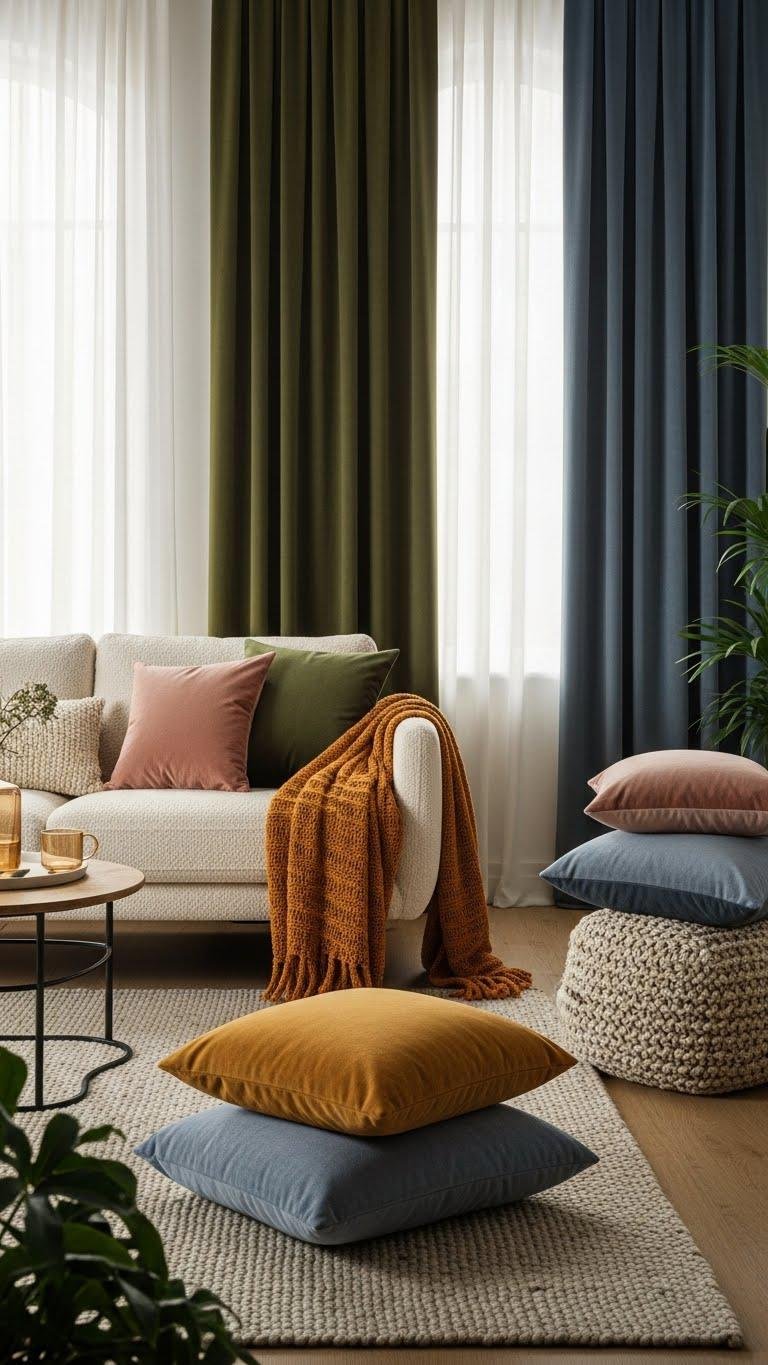
Bring tactile richness into your room by layering bouclé and velvet in varied scales and tones; they’ll create contrast that feels curated rather than fussy.
You’ll balance bouclé upholstery on seating with plush velvet drapery at windows, adding cushions and throws in complementary hues.
This mix feels luxurious without restricting your style, inviting relaxed elegance and tactile freedom in every corner of the space.
Mix Natural Materials: Wood, Stone, and Rattan
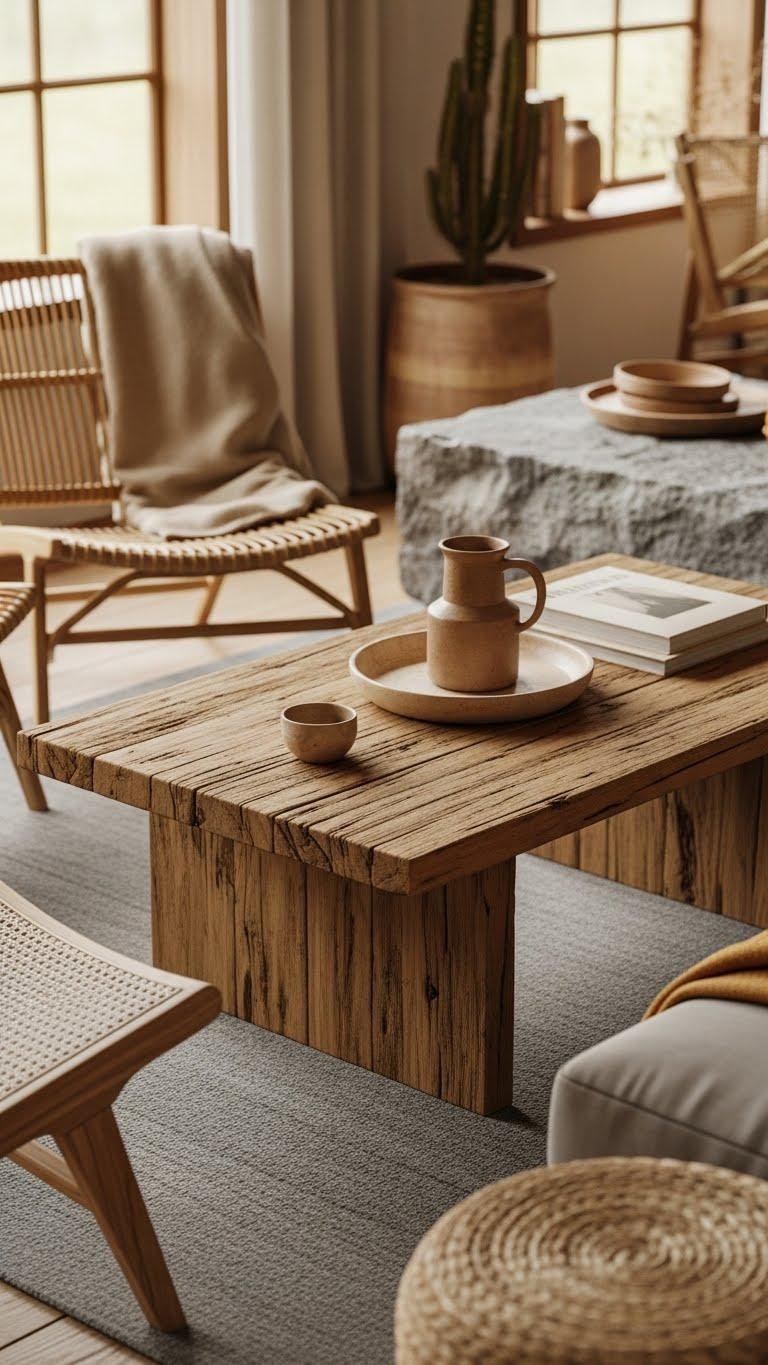
With a mix of wood, stone, and rattan you’ll build a layered, tactile foundation that feels both grounded and inviting. Choose reclaimed teak for tables to add history and warmth, pair stone surfaces for permanence, and introduce rattan accents to keep rooms airy and free.
You’ll balance textures, keep palettes restrained, and let natural materials create a timeless, liberated atmosphere.
Install Statement Art Deco Chandeliers
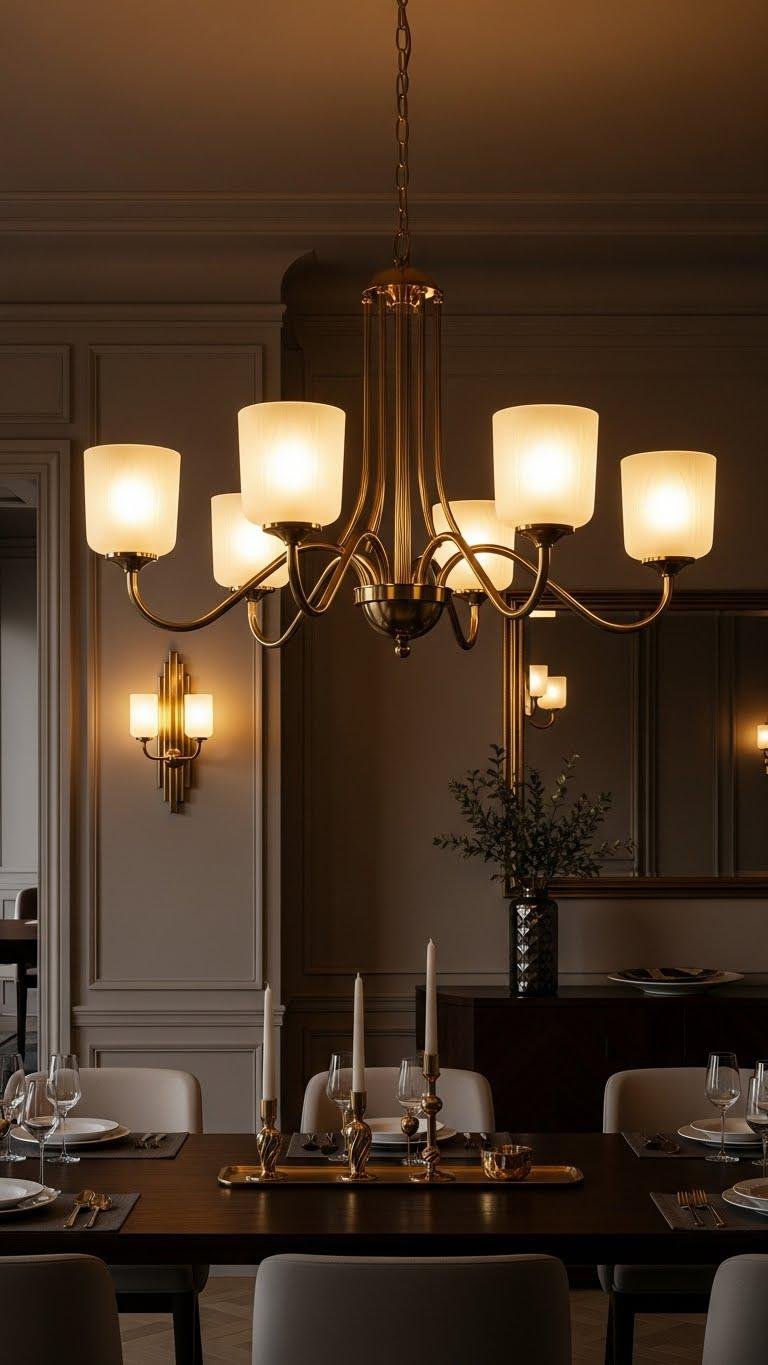
Anchor your room with a statement Art Deco chandelier that doubles as both light source and focal sculpture. You’ll choose fixtures with polished brass arms and frosted glass shades to balance warmth and glare. Position centrally or above a dining table to command attention without clutter. You’ll favor streamlined geometry and bold symmetry, letting a single, striking chandelier free your décor to breathe.
Choose Sculptural Sconces and Brass Lamps
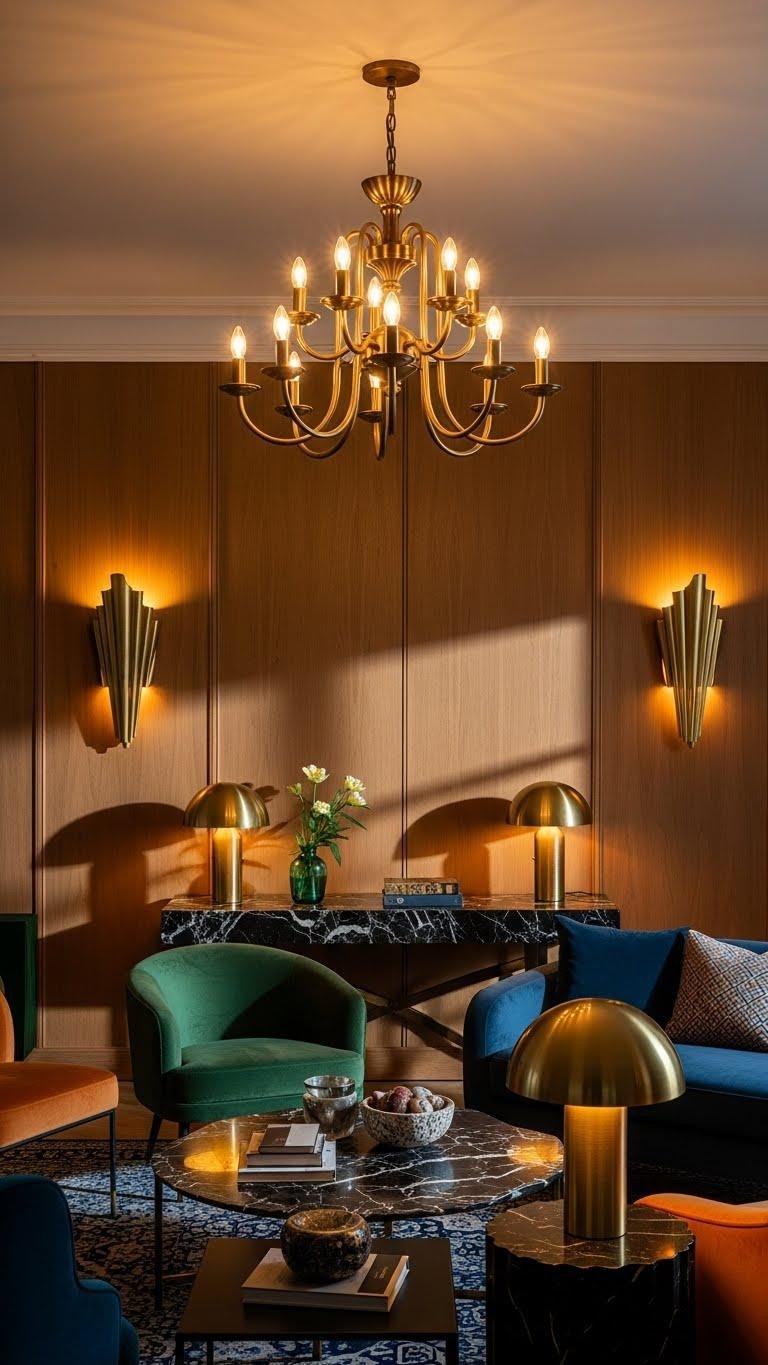
After you’ve set the tone with a striking Art Deco chandelier, choose sculptural wall sconces and brass lamps to layer light and reinforce the room’s vocabulary. You’ll pick sculptural silhouettes that balance scale and movement, placing sconces to frame seating and lamps to punctuate corners. Let brass patina add warmth and lived-in character, creating freedom to edit accessories confidently.
Upgrade One Key Light Fixture as Room Jewelry
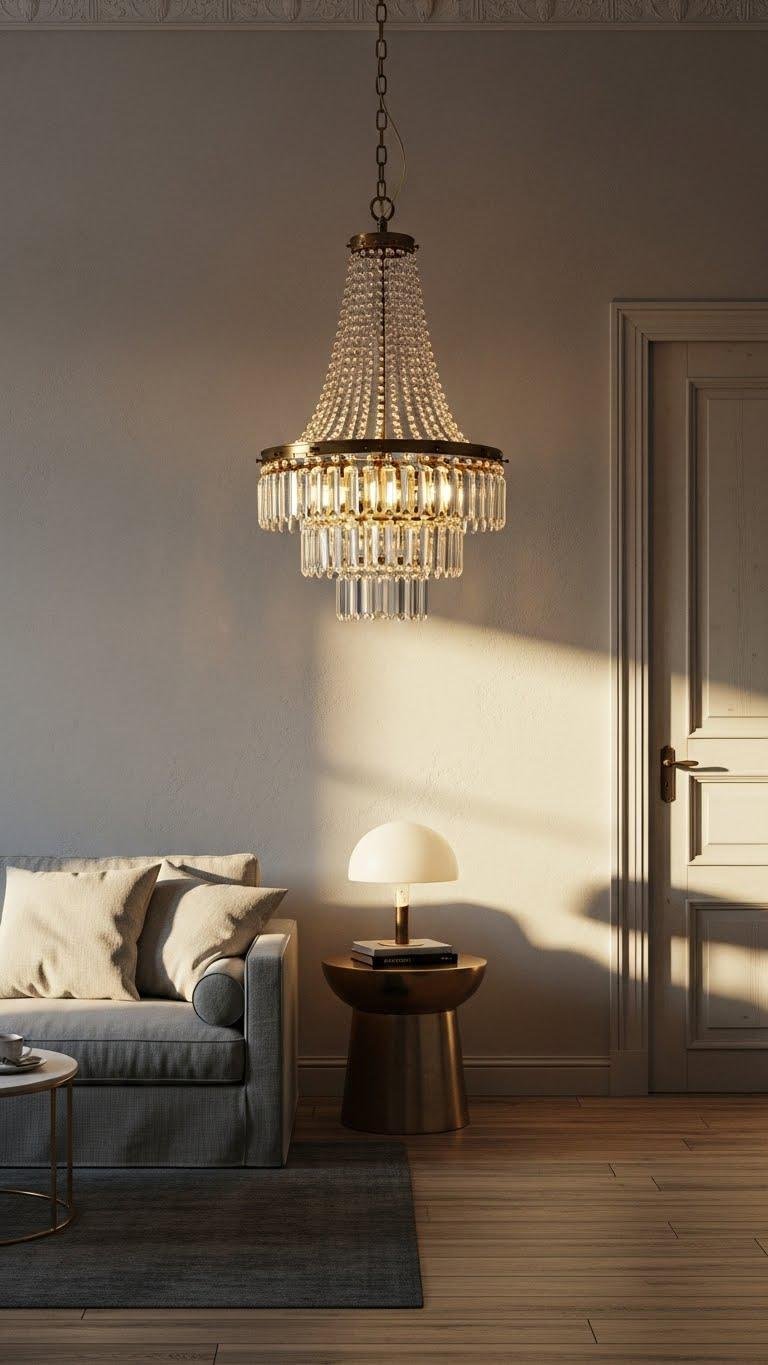
Elevate a single fixture to the status of room jewelry by choosing a piece that commands attention without overwhelming the space; think of it as the focal accessory that sets the tone for scale, finish, and personality. Pick a striking chandelier or pendant in antique brass or modern crystal to anchor your room. You’ll create effortless drama, clarity, and freedom in how the space reads.
Design With Japandi Minimalism Principles
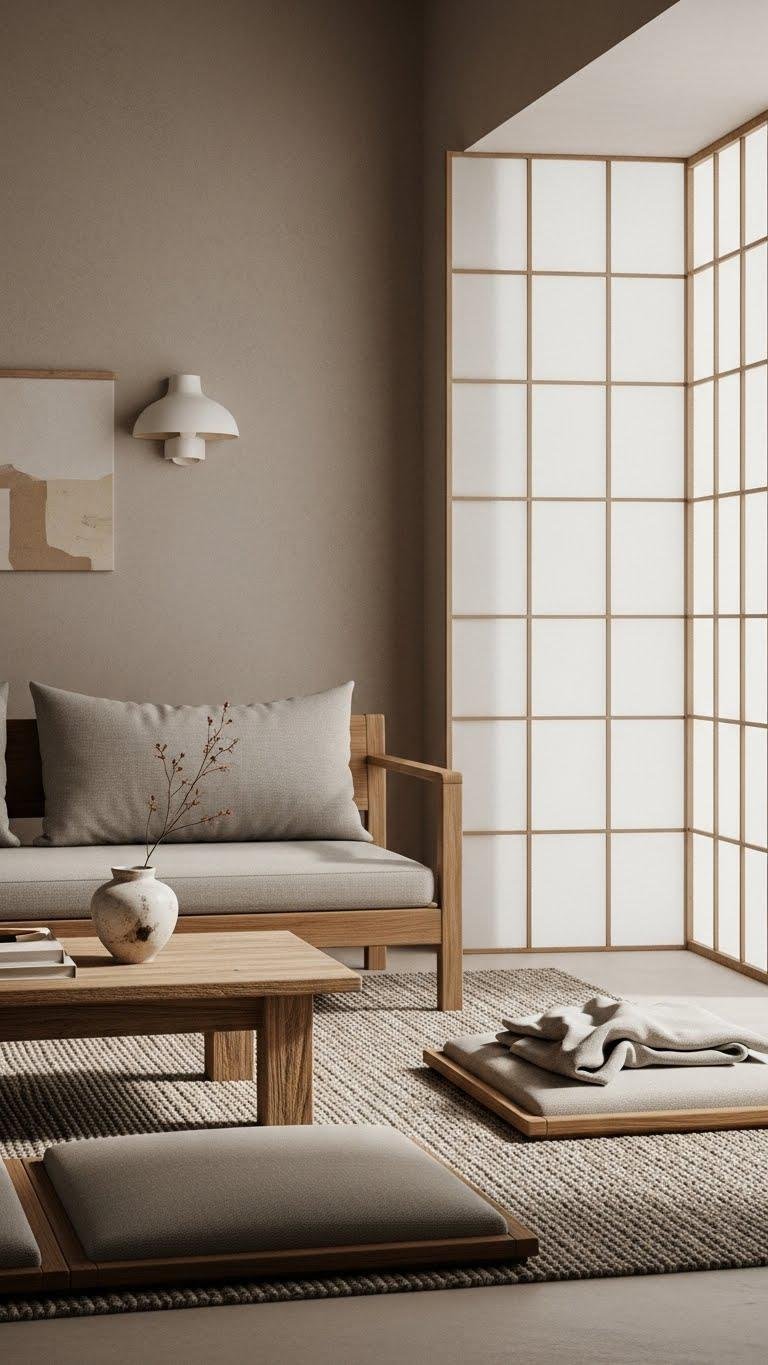
Lean into Japandi by blending Japanese restraint with Scandinavian warmth so your space feels both serene and inviting. You’ll embrace wabi sabi — valuing imperfection — with a muted palette, natural textures, and uncluttered sightlines.
Choose teak accents and low furniture to keep scale human and grounding. Let curated essentials breathe; you’ll gain calm, freedom, and enduring style without excess.
Integrate Biophilic Elements and Green Walls
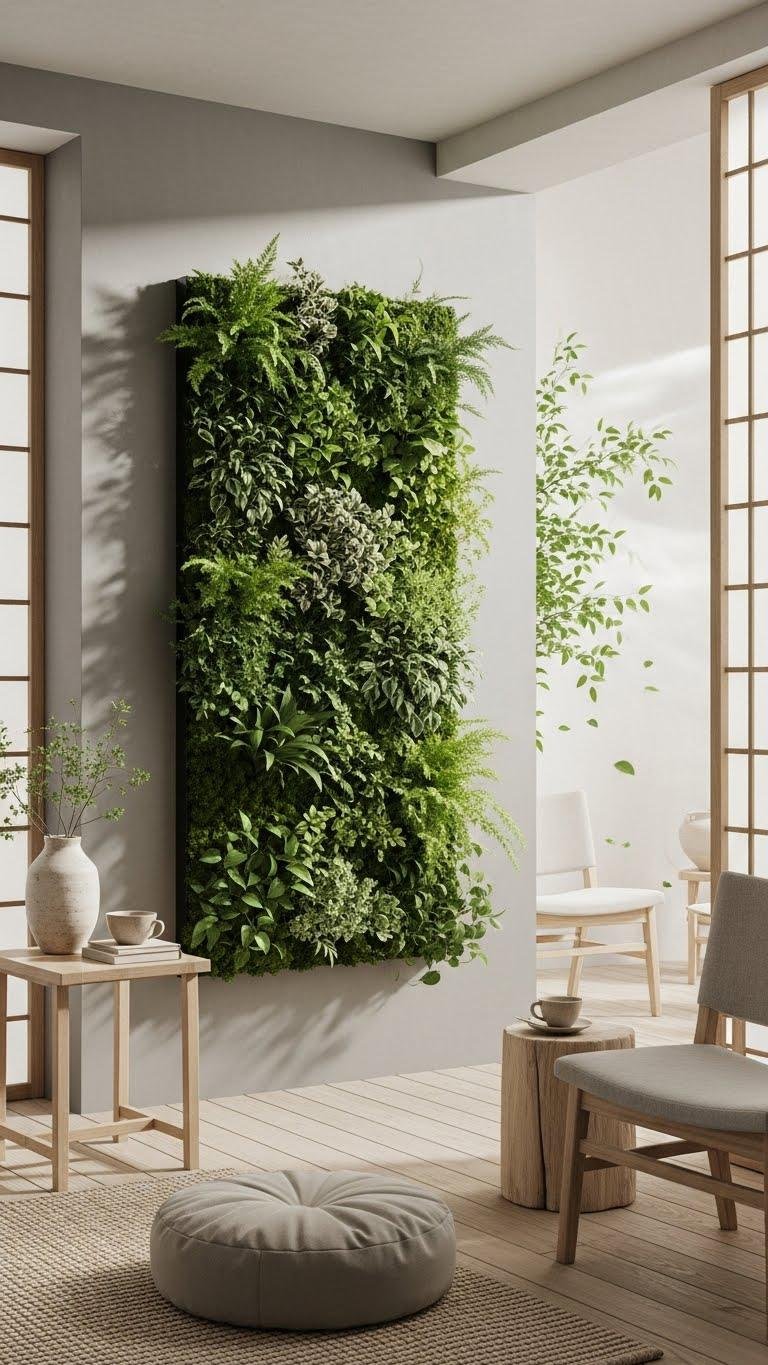
Bringing biophilic elements and a green wall into a Japandi setting deepens the calm by connecting the restrained interior to living nature; you’ll keep the muted palette and simple lines while introducing texture, scent, and gentle movement that make the space feel alive. Add compact living walls, select low-maintenance plants, orient seating for natural ventilation, and use organic materials so your home breathes and frees you.
Use Timeless Marble for Surfaces and Accents
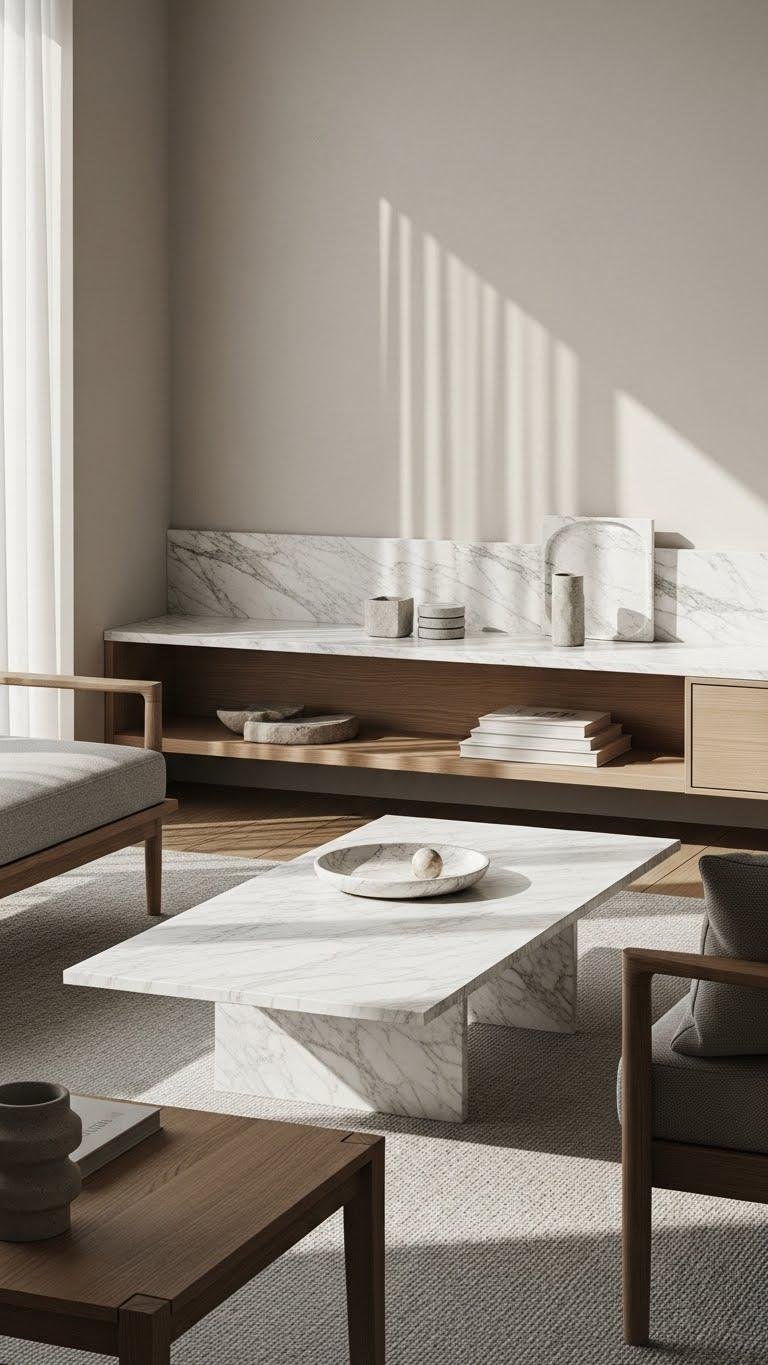
Introduce marble sparingly to anchor a Japandi space—think a matte bookmatched slab for a coffee table or a thin-veined countertop backsplash rather than full-room cladding. You’ll choose honed marble for muted texture, add veined accents as focal notes, and run subtle marble trim on shelving. Keep accessories minimal: stone coasters, a sculptural tray. The result feels refined and free.
Layer Vintage Rugs Over Hardwood Floors
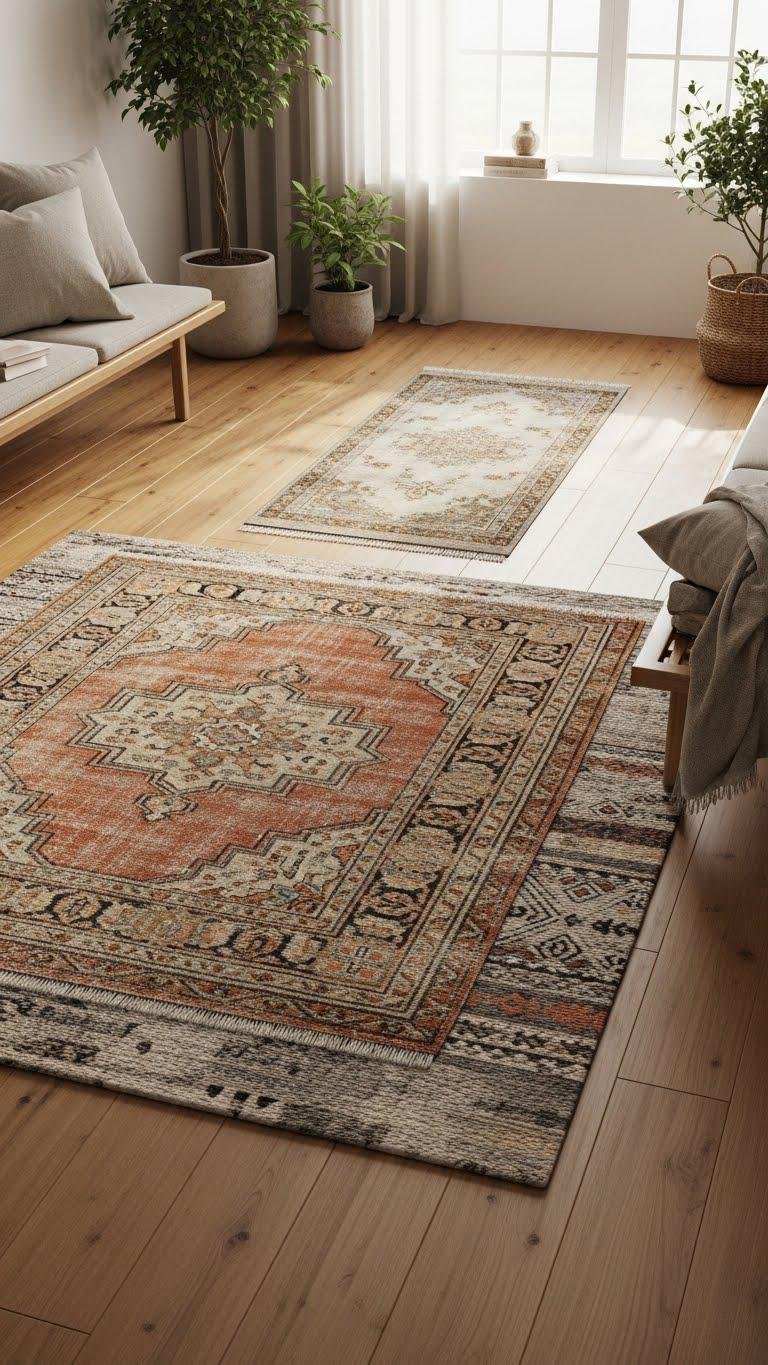
Anchor your hardwood floors with layered vintage rugs to add warmth, pattern, and a lived-in polish without overwhelming a Japandi palette.
You’ll mix an antique runner with worn Persian or kilim pieces, creating layered textures that feel effortless. Choose muted palettes and natural fibers to let wood breathe, then reposition rugs for seasonal change—freeing your space while keeping it composed and personal.
Create Spa-Inspired Bathrooms With Natural Stone
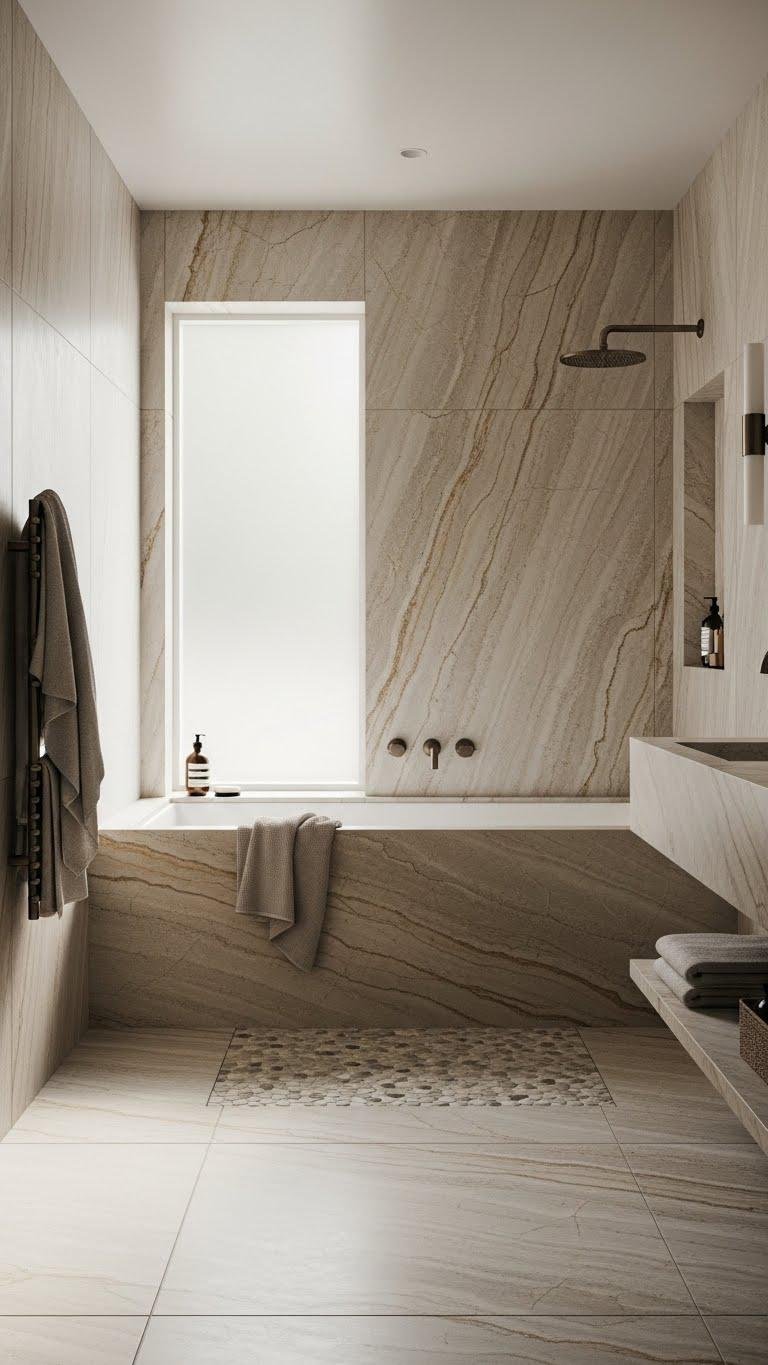
When you swap glossy tile for honed stone and warm veining, your bathroom instantly feels calmer and more intentional—spa-like without feeling staged. Choose oversized slabs, matte finishes, and simple brass fittings to keep the look timeless.
Add heated flooring for comfort and subtle pebble inlays in the shower for texture. Let light and uncluttered surfaces create a serene, liberating retreat.
Build Flexible, Multifunctional Living Spaces

Because modern homes need to do more with less, you should design rooms that shift easily from work to play, rest to hosting, without feeling cluttered or contrived.
Use flexible zoning—area rugs, shelving, lighting—to define purpose without permanent walls. Choose convertible furniture that tucks away or transforms, prioritize clear circulation and storage, and let each space adapt to your changing life and freedom.
Opt for Sustainable, Handcrafted Furnishings
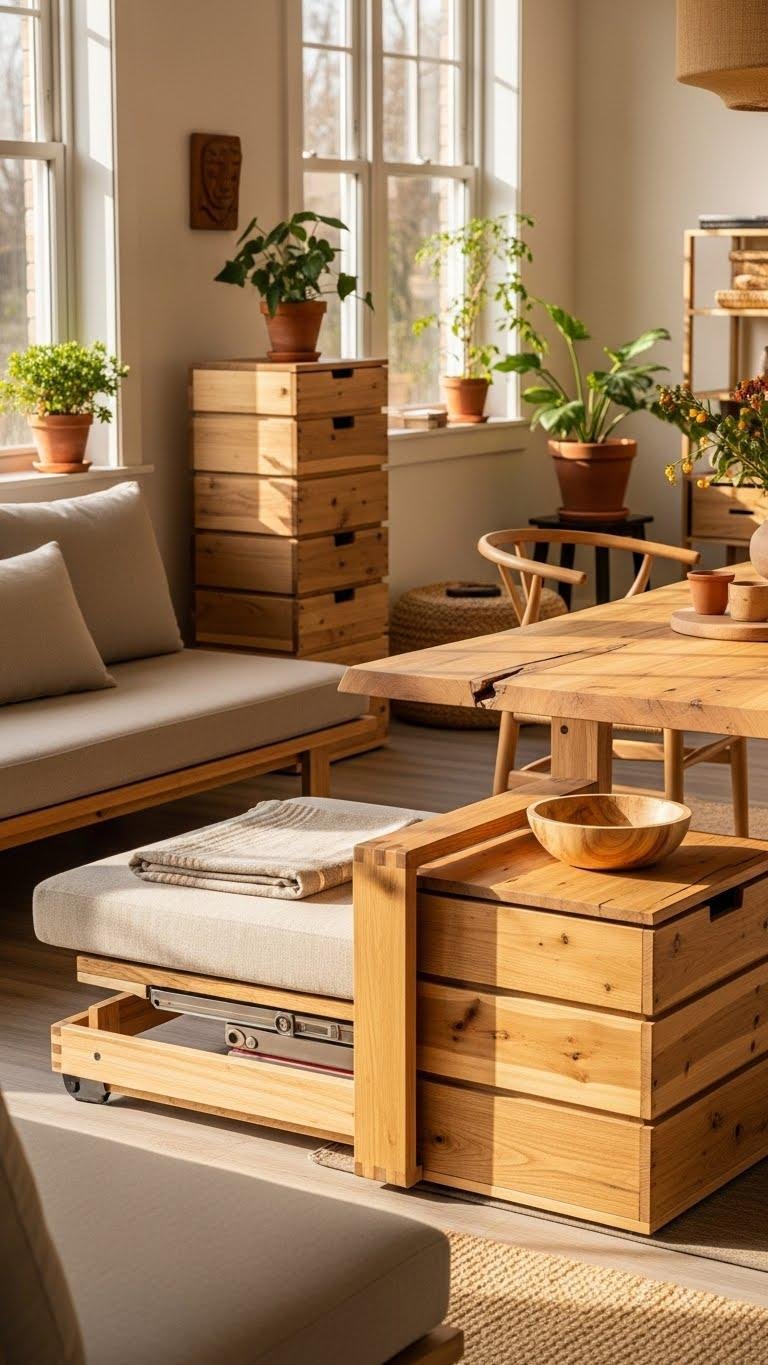
Flexible rooms benefit from furniture that not only adapts to your needs but also respects the environment and the hands that made it.
Choose pieces through artisan sourcing and reclaimed woodworking to guarantee durability, character, and ethical provenance. You’ll get unique forms that evolve with your life, reduce waste, and support makers — practical freedom that’s sustainable, refined, and genuinely timeless.
Blend Minimalist Cozy Elements for Lasting Comfort
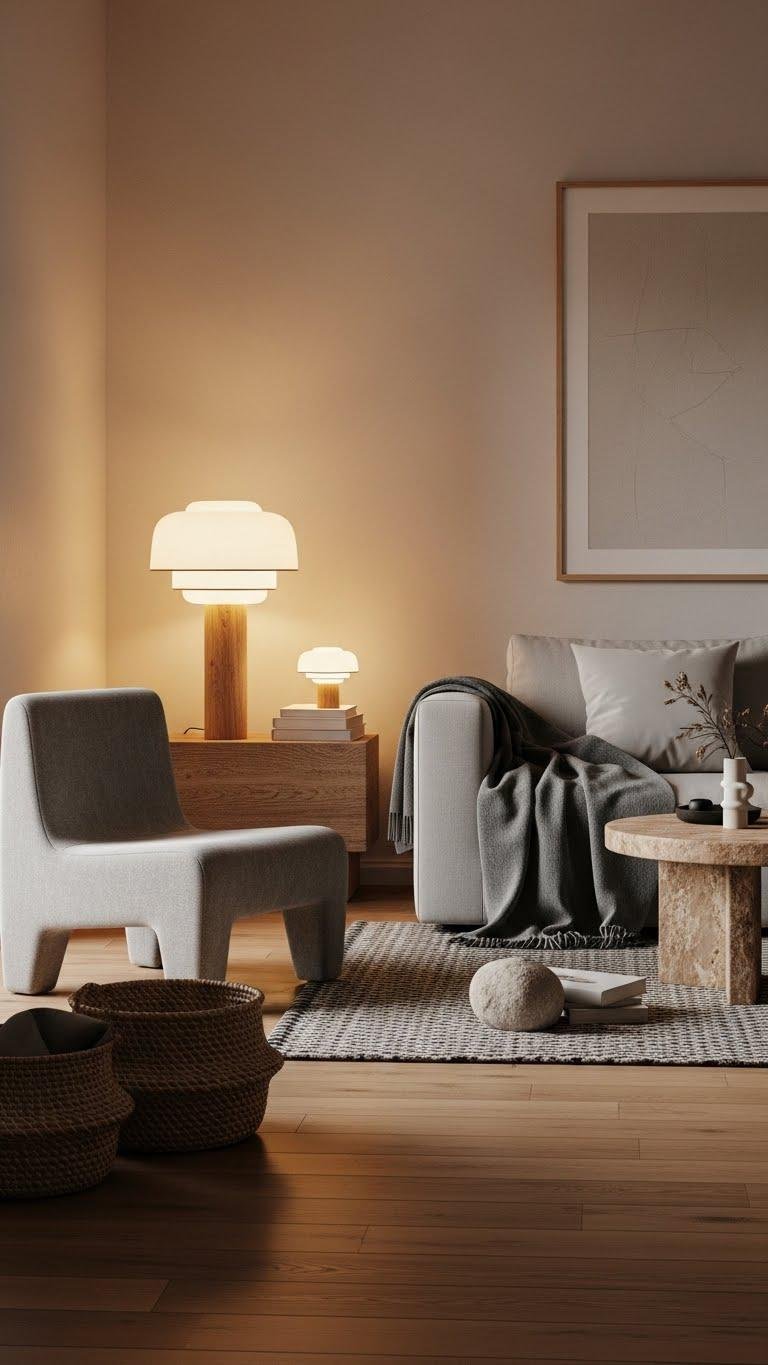
Although pared-back lines and uncluttered surfaces form the foundation, layering tactile warmth and thoughtful comforts will make a minimalist room truly livable.
You’ll embrace soft minimalism by adding a wool throw, a low-profile rug, and warm lighting without clutter.
Choose sculptural furniture, natural textures, and muted palettes to achieve cozy restraint — freeing your space while keeping it inviting, durable, and serene.